
Students and faculty at Colorado State University will soon be under new administrative leadership after it was announced Oct. 28 that CSU President Amy Parsons will be resigning effective Dec. 31, marking the end of her three-year tenure.
The announcement was made via email and CSU SOURCE press release, in which Parsons provided a statement regarding her resignation.
“Serving as CSU’s 16th president has been the honor of a lifetime,” the statement reads. “I am deeply grateful for the trust you have placed in me and extraordinarily proud of what we have accomplished together.”
Parsons reflected on the accomplishments of the university during her tenure, highlighting progress in student achievement and degree completion, the opening of new pathways for students, such as Ram Transfer Academy, advancements in research, CSU joining the Pac-12 conference and more.
Rick Miranda, a current faculty member and previous provost, was named CSU’s interim president by System Chancellor Tony Frank. Miranda will assume the role and its responsibilities Jan. 1, 2027.
The reason for Parsons’ departure was not specified, but her contract was not set to expire until January 2028. Notably, CSU has agreed to pay Parsons $1.1 million for her resignation, according to reporting from an open-records request made by The Coloradoan. The agreement also includes a nondisparagement clause that prevents Parsons, Frank, CSU System’s Board of Governors and CSU System staff, employees, officers, attorneys or representatives of those entities from commenting on Parsons’ departure if it is not an “expression of appreciation” when appropriate.
In response to the announcement of the settlement and nondisparagement clause, the CSU chapter of the American Association of University Professors, a union of professors and other faculty, released a statement condemning the agreement, citing concerns around transparency and accountability.
“My colleagues and I are outraged to learn that the Board of Governors is paying Amy Parsons $1.1 million in exchange for signing a nondisparagement agreement that ensures the public will never learn what led to her sudden resignation,” the statement reads. “Taxpayer’s money should not be used to shield a state institution from public scrutiny. CSU’s lack of transparency and accountability in hiring and firing top administrators undermines the academic mission that we collectively work so hard to fulfill. Settlements with ex-administrators are costing CSU millions of dollars at the same time that we face enormous deficits driven by poor leadership.”
The statement references the resignation of former Provost and Executive Vice President Marion Underwood, through which she received a settlement of $325,000, and the firing of former football coach Jay Norvell, through which he also received a settlement of $1.5 million.
While the reason for her departure was not specified, her resignation also comes after several developments and policy changes over her tenure, including an officer-involved shooting of a CSU student, the arrest of two students for alleged possession of explosive device parts, recent budget cuts totaling over $54 million and last year’s controversial changes to the university’s free speech policy.
When asked what he thought of Parsons’ sudden resignation, CSU student Ethan Abbey said he was surprised by the announcement but noted there were “tensions” that may have contributed to her departure.
“I was surprised, but it kind of all goes with the timeline,” Abbey said. “There’s been some violence on campus. There (were) a lot of questions last year about free speech policies on campus and things like that.”
Abbey also said he believed that there has been a disconnect between Parsons and the student body.
“I’m pretty sure it just has a lot to do with a lack of student trust,” Abbey said. “I’ve had a couple of classes where we discuss it, and a lot of my classmates talk about how they just don’t feel represented here.”
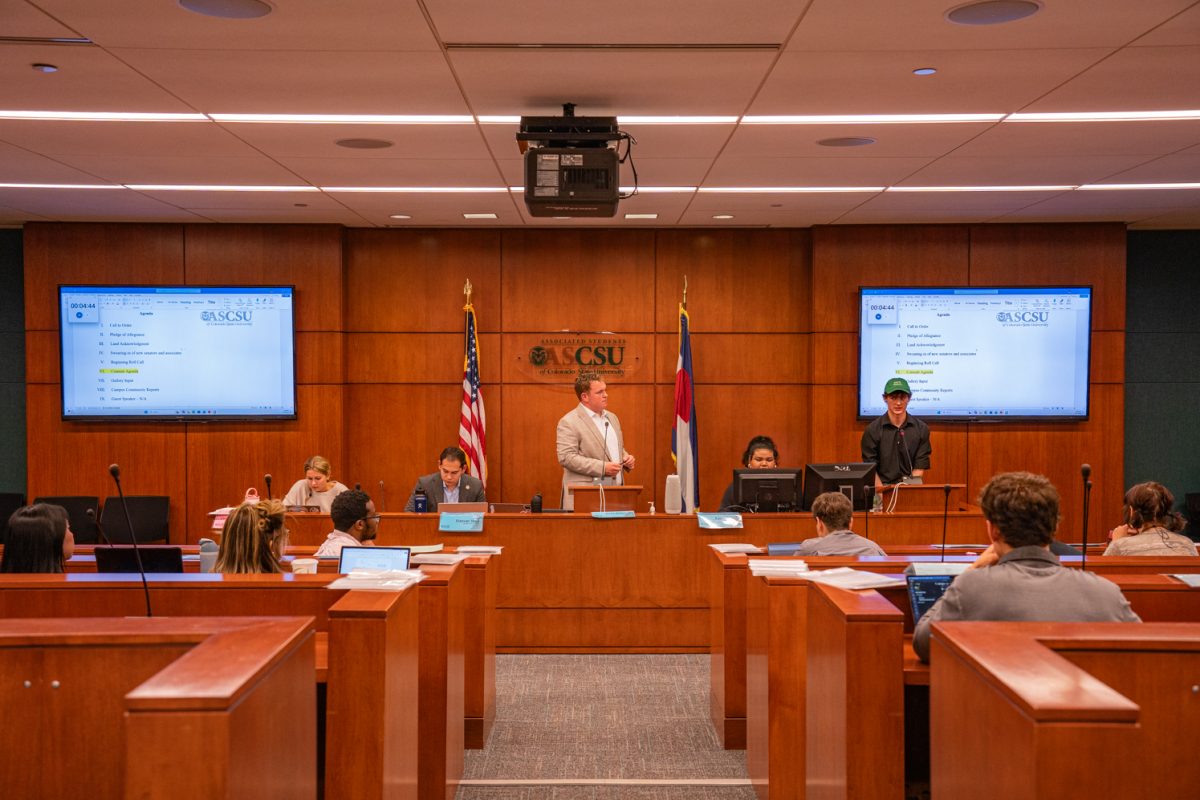
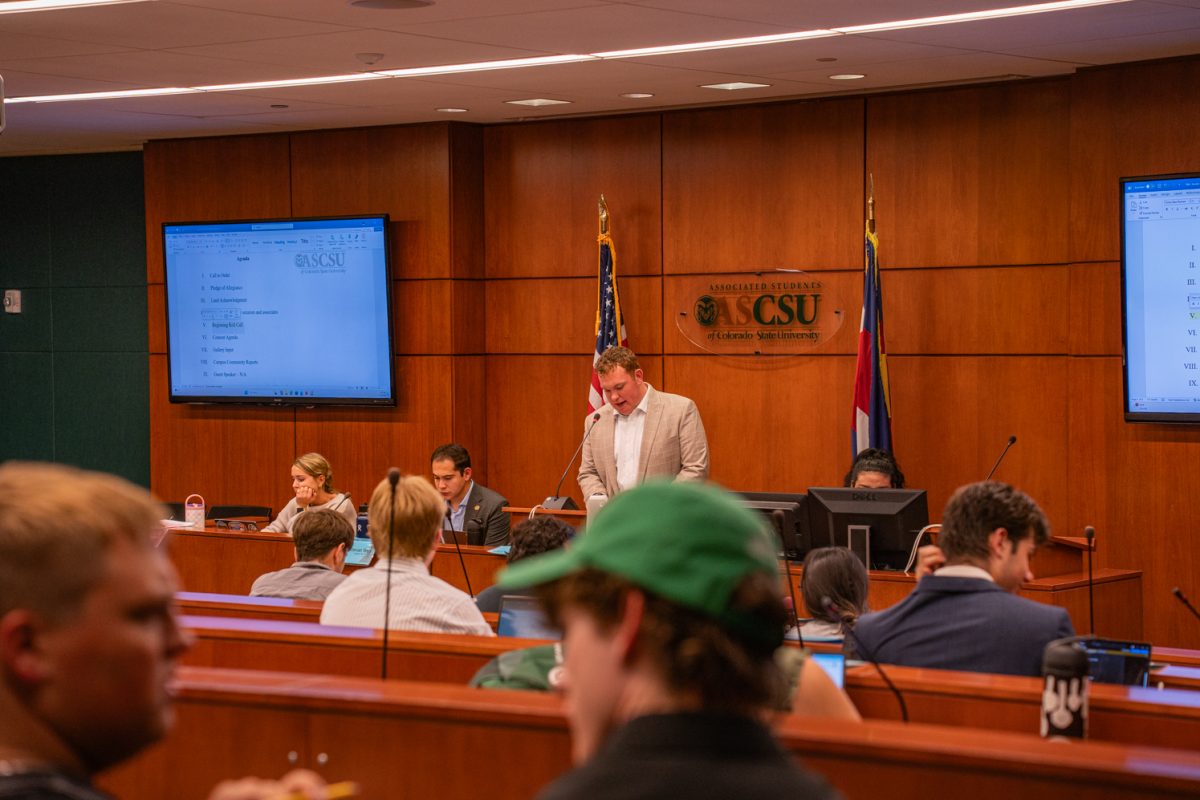
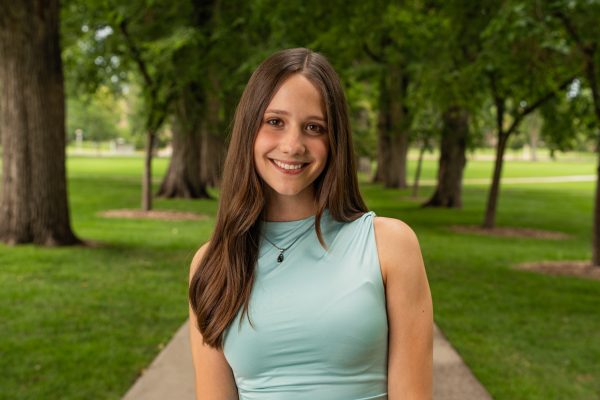
Associated Students of CSU President Victoria Quesada-Stoner agreed, citing concerns around communication during the officer-involved shooting. Quesada-Stoner expressed a desire for more transparency around decision-making but said she also thought Parsons’ tenure had some positive notes.
“I think that, specifically this past semester, that there was a lot more communication that I would have liked to see as a student just within all of it,” Quesada-Stoner said. “I think that there are some things that President Parsons did well, and I think there was a lot that could have been improved.”
Looking ahead, Quesada-Stoner, as well as some other students and faculty members, expressed a desire for a new approach to university leadership.
“I would like someone who comes from higher-ed,” Quesada-Stoner said. “I would like someone who comes from within the community of being with students and being with faculty and being with staff. … We are starting to shift into a culture where students, faculty and staff want to have a person who is going to be more focused on the culture of CSU, and — bringing it back to the Principles of Community — I think we want someone who is going to put that at the forefront.”
In a statement published Nov. 5, the AAUP gave its recommendations for how the search for the next university president should be conducted, including forming a joint search advisory committee that has direct representation from faculty, collaboration with an executive search firm, a phase of campus visits with faculty, staff and students and a needs assessment to determine “what we need in our next president.”
“Along with our colleagues on the Faculty and Administrative Professional Councils, as well as our students in ASCSU, we look forward to a fruitful collaboration with the CSU System as we search for our 17th president,” the statement reads. “A fair and open presidential search will allow all of us to avoid costly mistakes and advance CSU’s academic mission.”
Other students said they wanted more communication during emergencies on campus, like the Oct. 12 shooting, as well as a continued focus on CSU’s sustainability goals, additional support and representation for student employees, divestment from AI and more.
“The issue is communication, and the issue is feeling safe on campus,” CSU student Elias Marvine said. “I just want more transparency.”
Reach Claire VanDeventer at news@collegian.com or on social media @RMCollegian.