
The United States Department of Education formally ended protections for LGBTQ+ students under Title IX Sept. 28 as part of President Donald Trump’s administration’s focus on a more narrow interpretation of sex-discrimination protections first established in his first term.
Title IX protections apply to all educational institutions and school districts that receive federal financial assistance from the U.S. government, mandating schools must operate all programs, admissions, counseling, financial aid and athletics without sex-based discrimination. Under Title IX, staff at Colorado State University are also required to investigate and resolve complaints of discrimination, sexual harassment, assault, sex discrimination and more.
In 2024, former President Joe Biden’s administration expanded Title IX regulations to cover sexual orientation and gender identity as well as provided clarity on discrimination protections for pregnant and parenting students. The changes were challenged in court and later struck down by a federal judge in Jan. 2025 on the basis that the expansion exceeded the department’s authority. Since then, the Trump administration has been enforcing the previous Title IX regulations from 2020, with this announcement officially restoring the previous interpretation.
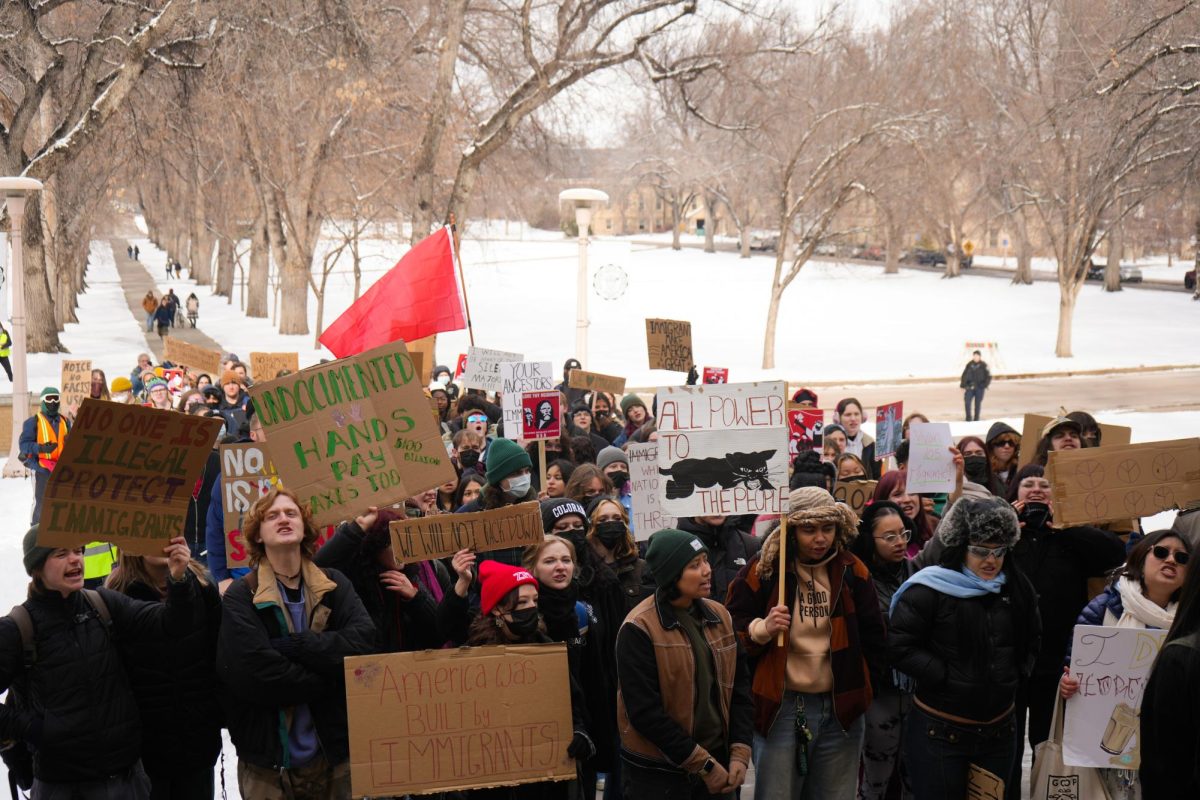
In a press release, U.S. Secretary of Education Linda McMahon said the change aims to protect “women’s safety, dignity and educational opportunities” in federally funded schools, while those who oppose the change have expressed concerns it will harm transgender student-athletes and weaken protections for sexual assault victims.
“Thanks to today’s action, the published Title IX regulations faithfully reflects court orders and Congressional intent — reducing confusion for parents, students and educational institutions,” McMahon’s statement reads. “We will continue to relentlessly champion equal opportunity for all Americans and hold accountable any school or college that violates the rights, privacy or athletic opportunities of our women and girls.”
Ariaña Muñiz, CSU’s Title IX coordinator and executive director of the Office for Civil Rights Compliance, said in a statement that while CSU has already been operating under Title IX regulations from 2020 since the court’s decision in 2025, the university will continue to offer protections and resources for LGBTQ+ students.
“This recent action formalizes the federal framework under which CSU has already been operating and does not eliminate CSU’s nondiscrimination protections or the avenues available to LGBTQIA+ students under university policy and other applicable laws,” Muñiz’s statement reads. “Students may contact the Office of Title IX Programs, the Office of Equal Opportunity or the Student Resolution Center to report concerns and learn about their options.”
While CSU has already been operating under the 2020 regulations, the change formalizes reduced federal protections for LGBTQ+ students. Brittanie Ash, an assistant professor of social work at CSU whose research focuses on inclusive and affirming environments for LGBTQ+ individuals and communities, said in an email statement that protective policies like Title IX have been shown to improve academic outcomes for students.
“When students experience spaces with explicit LGBTQIA+ inclusive policies, for example, policies that specifically name sexual orientation and gender identity as protected categories, we see better outcomes for LGBTQIA+ students,” Ash said. “Research has found lower rates of harm, higher levels of well-being and stronger feelings of belonging and connection to their college campus.”
In her past research, Ash found the lack of protective policies can deeply impact students’ individual expression and sense of safety on college campuses.
“What we saw in our research was students feeling really torn about being able to generally express themselves, be open, feel safe and feel like they belonged at their university,” Ash said. “When students don’t feel that sense of belonging or connection to their university, it can really impact their educational experience. Other research is also pretty clear that when protective policies go away, like Title IX, or employment protections or housing protections, people or students, in our case, can go into a kind of survival mode.”
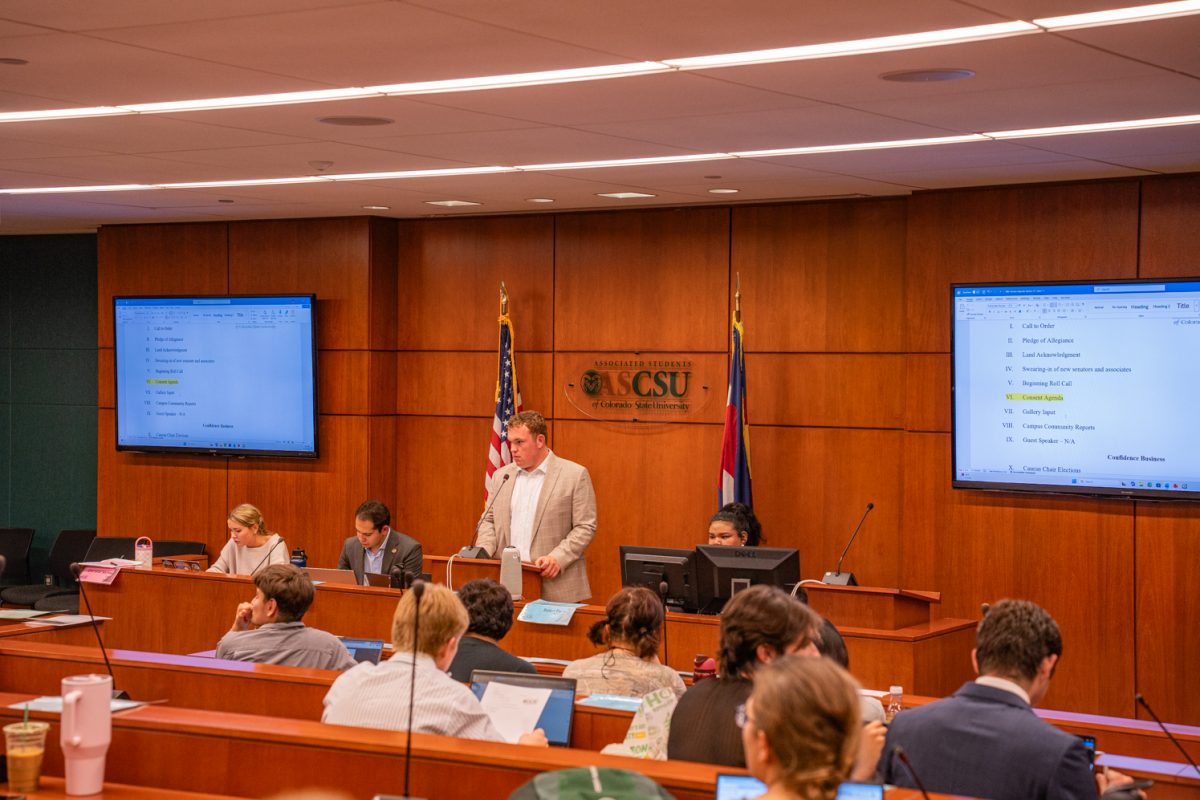
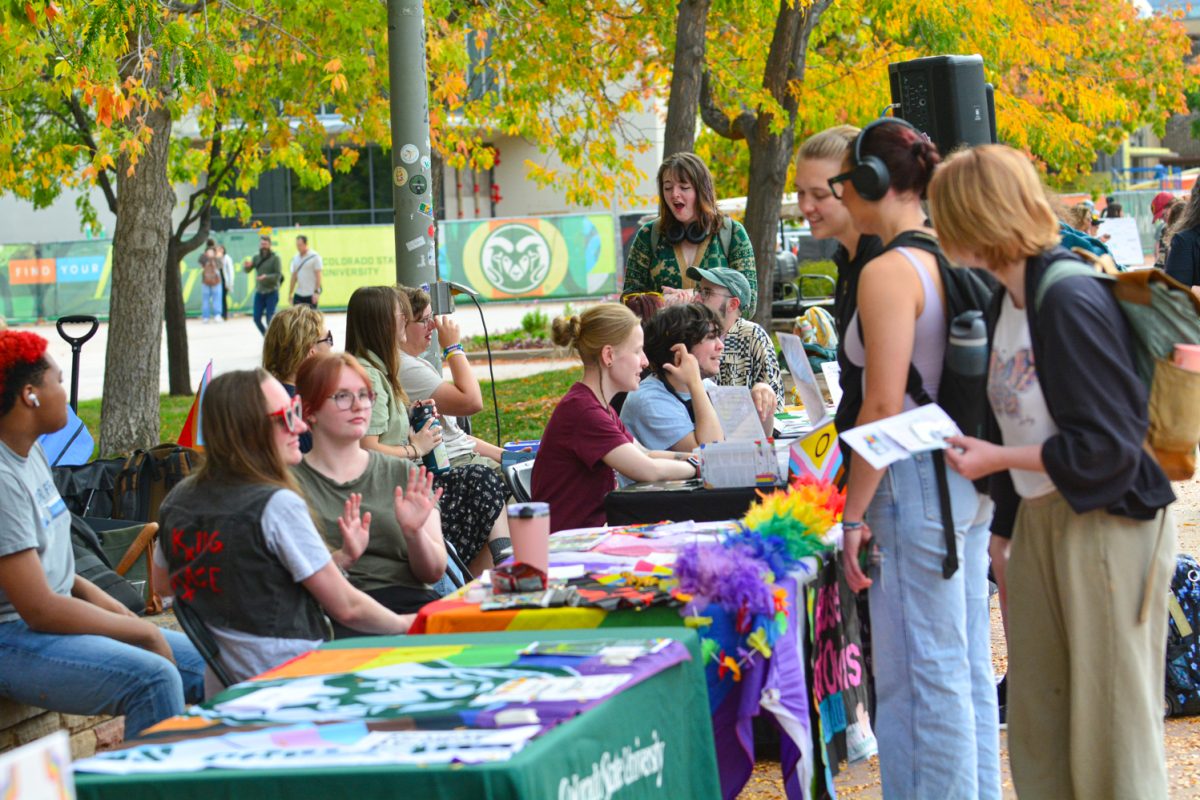
While the decision does not explicitly change how Title IX staff at CSU operate, its potential impact on students’ ability report cases of discrimination remains unclear. Jack Pendleton, a senator for the Associated Students of CSU who represents the Pride Resource Center, highlighted how college campuses often serve as sources of community for students whose identities are not supported by family at home but that a lack of protections may impact their collegiate experience and sense of safety.
“College, especially, is a place where you can get away from that kind of discrimination almost,” Pendleton said. “You find your clique, (and) you find your friends, and having what I feel like is a very basic line of defense being stripped away from you is something that is very sad to see. Not only am I impacted, but all of my constituency is impacted.”
When asked how this change may impact students at CSU, Pendleton said students who are transgender or gender-nonconforming may feel increasingly restricted in how they can express themselves. Pendleton also referenced two state ballot measures that will be voted on in the upcoming general election: Proposition 134 and Proposition 135, both of which would strip protections and place restrictions on transgender youth and student-athletes in Colorado.
“For people who are transgender and are transitioning, I feel like that’s gonna be a lot harder,” Pendleton said. “I think that it also gives them the permission to make fun of and dehumanize queer people; especially trans people right now, at a time when trans protections are being taken away and even being voted on this November.”
When asked how a higher education institute like CSU can continue to support LGBTQ+ students, Ash said CSU must continue to take steps to ensure student safety.
“Institutions can still be really clear about their support for queer and trans students,” Ash said. “That could happen through institutional messaging, through policies that explicitly protect LGBTQIA+ students, through pronoun policies or through policies that allow students to use a chosen name across campus technologies and programming, including within student health centers. And in these times, student organizations can be particularly important sources of support and connection. They can create spaces where students feel like they belong and can be themselves, even when the broader policy environment is changing.”
Reach Claire VanDeventer at news@collegian.com or on social media @RMCollegian.