

The average cost of housing is rising while the average person’s income can’t keep up.
Research published in 2024 found that in Colorado, the price-to-income ratio ranges from 4.0 to 7.9 in certain areas, meaning the median home costs four to eight times the median household’s annual income. Renters are also feeling this pressure, as the median gross rent price increased by 2.7% from 2023 to 2024, bringing the average rent costs to about $1,487.
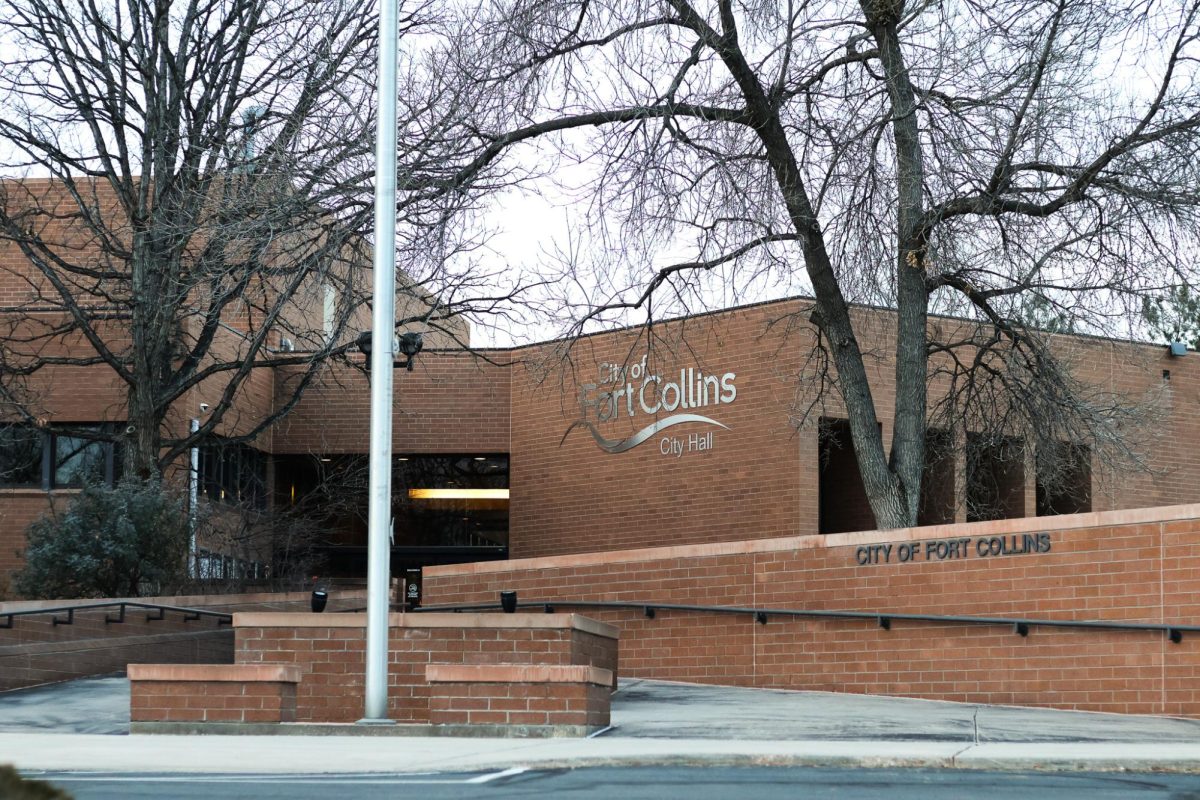
To address this issue, lawmakers and local leaders have suggested increasing affordable housing development and reforming zoning laws — local rules that determine what types of housing can be built and where. Vanessa Fenley, senior housing manager for the City of Fort Collins, said this remains a top priority for the Fort Collins City Council.
“The City of Fort Collins sees growth and development as (the) key to helping housing become more affordable,” Fenley said. “We’ve seen this in other cities like Denver and Austin, where they’ve experienced rent decreases after surges in development. Our City Council is committed to supporting development in Fort Collins.”
However, zoning reform remains highly contested, giving rise to conflicting movements commonly referred to as “Yes In My Backyard” and “Not In My Backyard.”
YIMBY advocates for increasing the housing supply through denser development and fewer zoning restrictions, allowing for the development of more apartments, duplexes, townhomes, accessory dwelling units and more.
Chris Conway, a Fort Collins City Councilmember and one of the founders of YIMBY Fort Collins, said a reason for the rise of YIMBY Fort Collins was how the affordability of the city has shifted over time.
“When I was growing up, it was a place where teachers, nurses and service workers lived in the community where they served, and that has changed,” Conway said. “Part of the reason that’s changed is because we haven’t built enough for those people to be able to stay.”
Conway said he and YIMBY Fort Collins are pushing for reform that encourages the development of two types of affordable housing.
“The first one is housing in the market that people can actually afford and the second is deed-restricted affordable housing, where some nonprofit or the government has built it specifically to house people below a certain income threshold,” Conway said.
Conway explained that while differing perspectives exist on how to address the housing crisis, they all have a common goal.
“Part of what’s implicit in the YIMBY-NIMBY dichotomy is that everyone agrees that we want more affordable housing,” Conway said. “If you ask people: ‘Do you want affordable housing?’ Everyone says yes. The part that gets tricky is (asking): ‘Do you want more affordable housing near you?'”
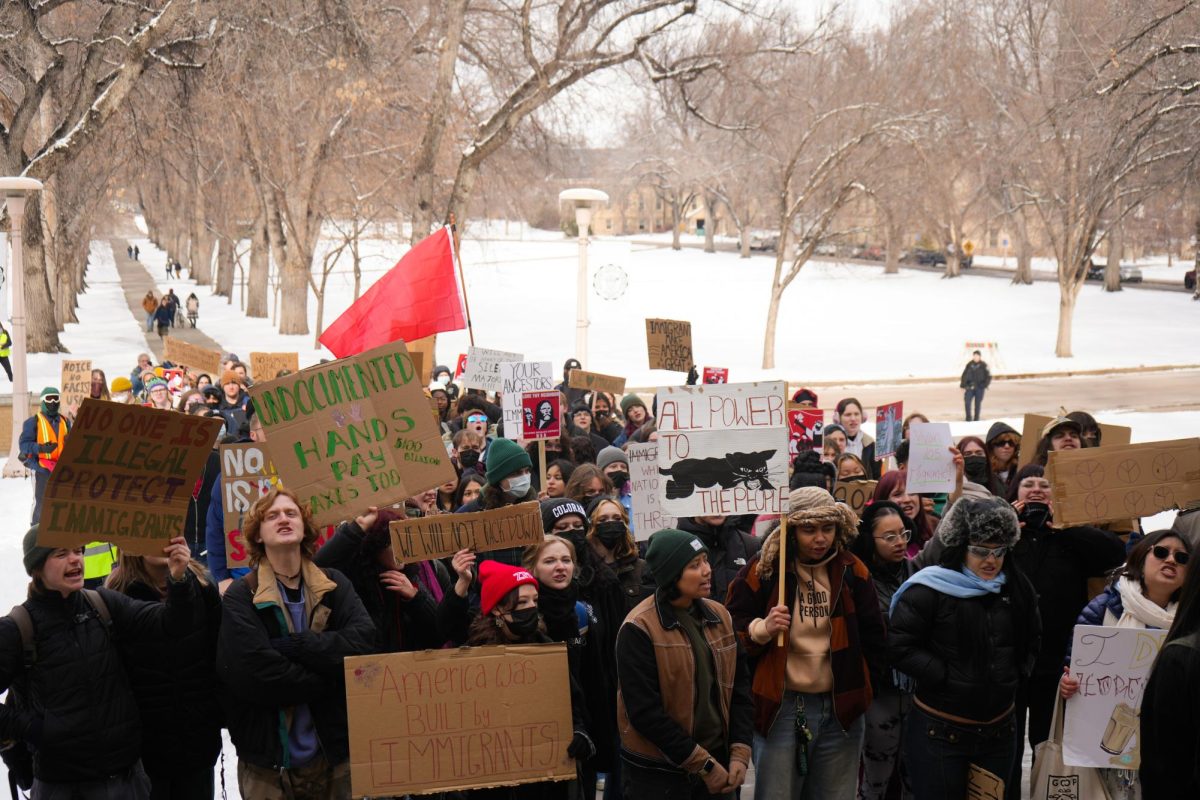
Conway spoke about how the Fort Collins City Council attempted to change the Land Use Code in 2022 to allow for more housing options, but this change was later repealed after significant protest and a petition with about 5,700 signatures.
One of those opposed to the changes was Steve Yurash, a Fort Collins resident who ran for City Council District 3 in 2025. He is involved with Preserve Fort Collins, a group that emerged in response to the changes to the Land Use Code.
“I was actually part of that effort,” Yurash said. “I went out and collected signatures door to door, and it was really easy to get people to sign on. It was a 90/10 kind of issue, as people did not want to see these changes in the Land Use Code.”
Yurash supports NIMBY policies, which oppose new development in one’s own neighborhood, advocating for the preservation of single-family zoning, low-density housing and neighborhood character. He highlighted how housing affordability was a significant topic of interest during the most recent mayoral and city council elections.
“It was a big issue that revolves around housing affordability but also the livability and what you want your neighborhoods to look like,” Yurash said. “That was one of the questions: ‘What do you think Fort Collins is going to look like 10 years from now?'”
Yurash pointed to the overturning of U+2, a previous occupancy ordinance that restricted households to a maximum of three unrelated people or one family plus an additional person, to explain that what benefits students may not benefit the larger Fort Collins community.
“Well, I’m retired, living in my single-family home, and I don’t want five boisterous college students living next door to me having parties after 10 p.m.,” Yurash said.
In a statement from the City of Fort Collins provided to The Collegian, the City has plans to increase development and expand housing options for students and residents alike.
“To keep housing affordable and accessible for all, the city is focusing on making it easier to build,” the statement reads. “By making it easier to build residential units, we can increase our housing supply and help manage costs across the housing spectrum.”
Reach Claire VanDeventer at news@collegian.com or on social media @RMCollegian.