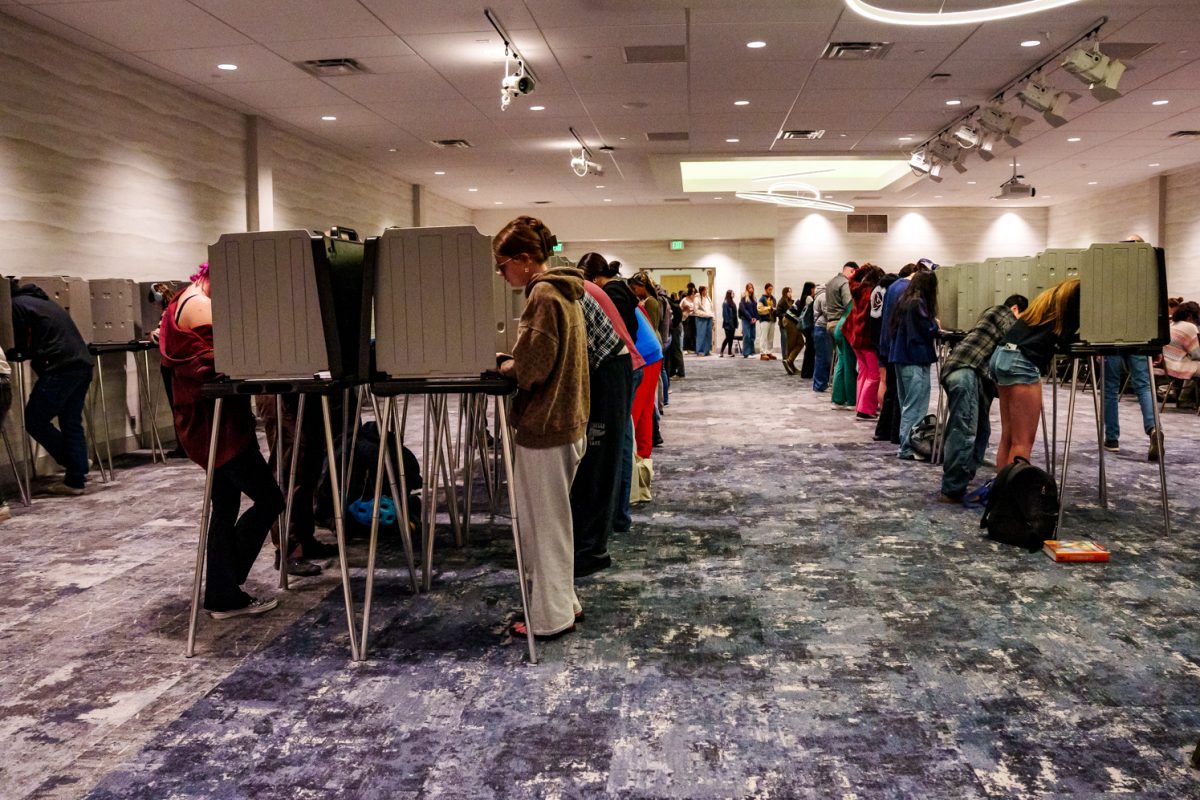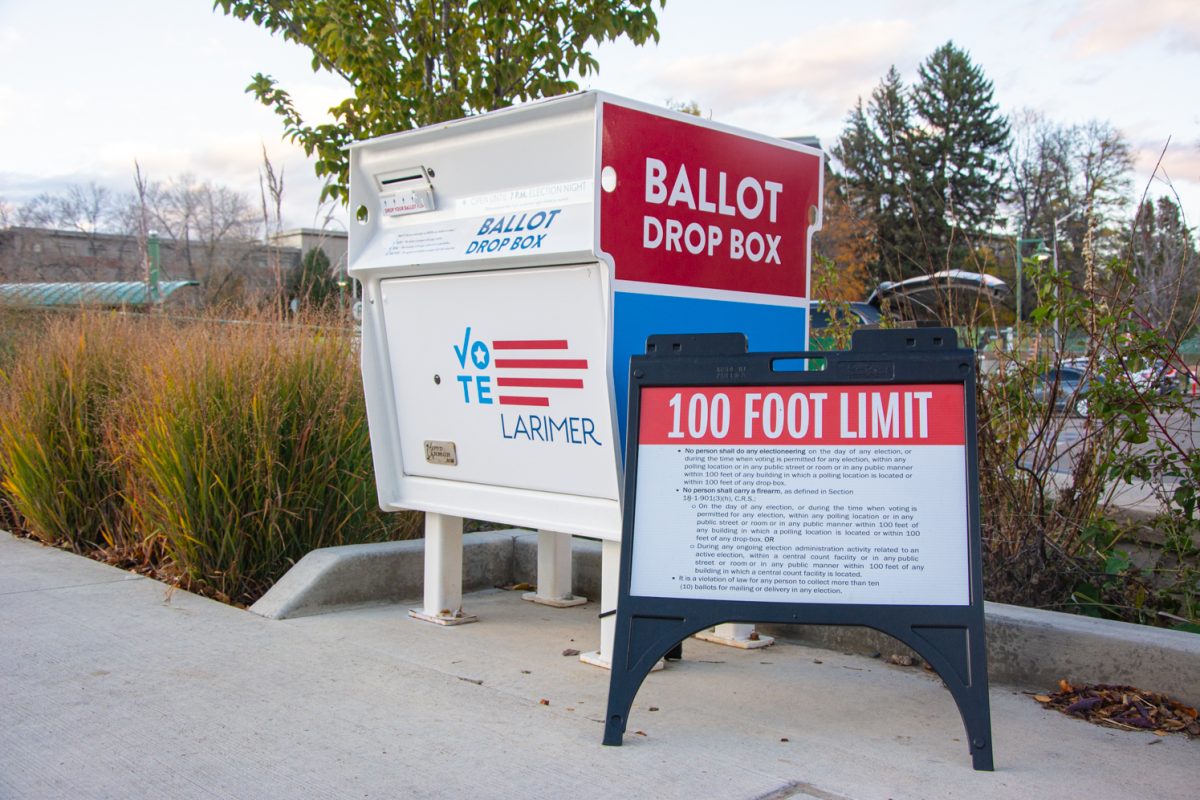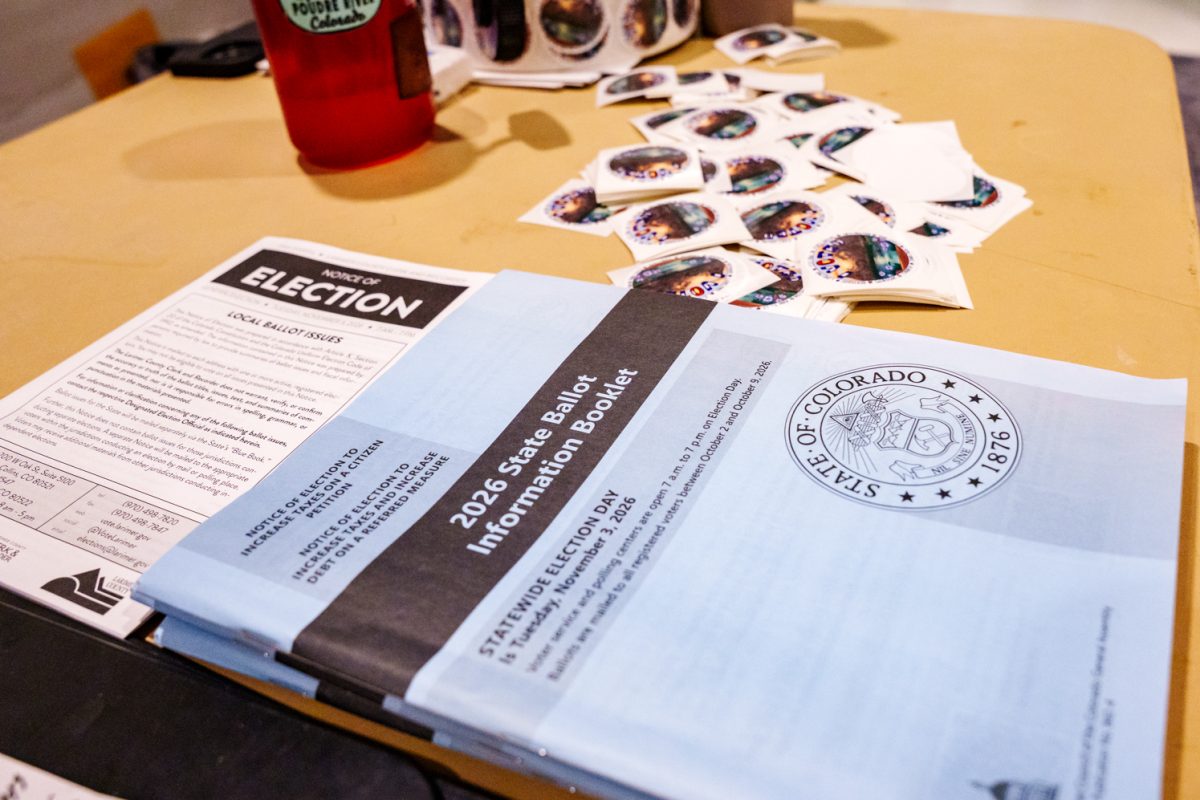

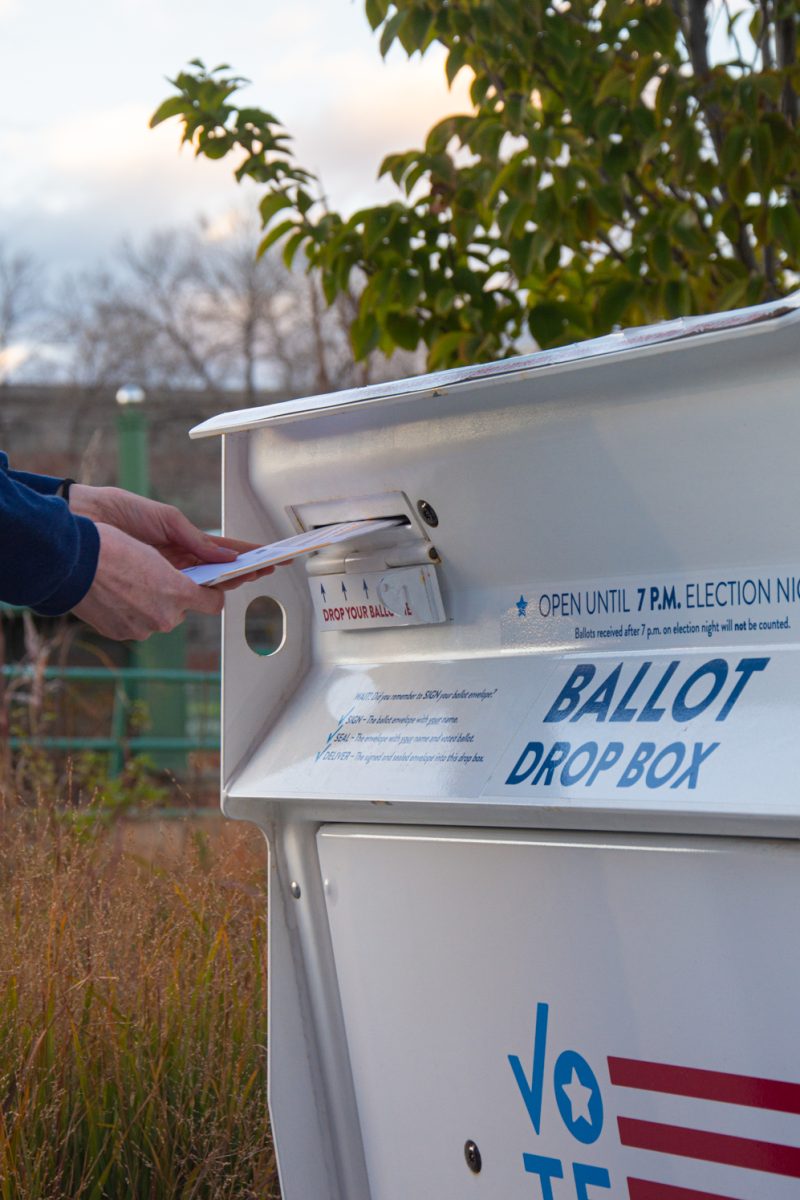
From historic victories to questions about Colorado’s political future, the 2026 midterm elections left students and faculty at Colorado State University reflecting on what will come next. While many at CSU celebrated the shift in political alignment, others pointed to issues that remain unresolved.
Across the United States, voters watched as Democratic candidates flipped several competitive seats on the local, state and federal levels, giving the Colorado Democrats majority control of both the U.S. House of Representatives and Senate. Colorado’s General Assembly, which was already led by the Democrats, also saw a greater shift toward the party, resulting in a dual 2/3 supermajority for the first time since 1938.
CSU student Kaia Linger expressed excitement about the results and Democratic victories across the country.
“I was really happy that Democrats had a win, (and) especially, like, Texas turning blue was, like, a big surprise,” Linger said.
Other students expressed more complex reactions to the results, highlighting the victories for democrats in the legislature while also acknowledging disappointment in the passage of measures like Propositions 134 and 135, which will respectively impact transgender youth’s ability to participate on sports teams that align with their gender identity and access to gender-affirming care.
“I am extremely happy about the results of the midterms and glad the Democrats have control of the Senate and House,” CSU student Annika Johnson said. “But I am disappointed about the antitrans legislation that passed here in Colorado.”
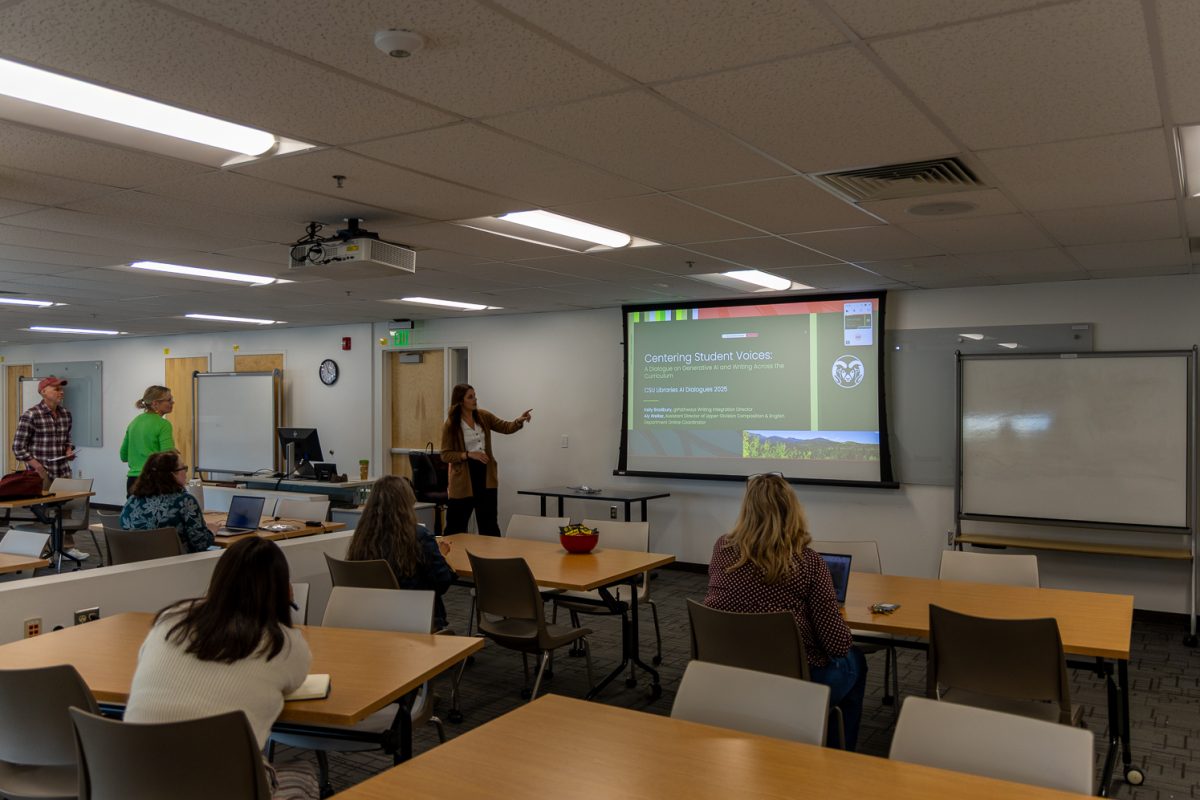
The election also provoked larger questions about the direction of national and state politics. In a postelection debrief hosted by the Straayer Center for Public Service Leadership, political science professors Kyle Saunders and Robert Duffy provided their insights on the results.
Saunders recognized the success of Democrats in the House and Senate and said the shift toward Democratic control was expected by observers but that the size of the shift was surprising.
“The direction, not a surprise, (but) the size, yes,” Saunders said.
Saunders’ distinction highlights how polling numbers prior to election day did not capture the full shift in voter behavior.
“The polls understated Democrats by two points in 23 of 27 Senate races and governor races,” Saunders said. “And the average miss was about four points.”
Saunders said midterm elections can serve as the “referendum on the sitting president,” and that voters often express their approval or disapproval of the president in the way they vote in midterm elections.
Meanwhile, Duffy discussed statewide midterm results, pointing to changes in Colorado’s voter demographic and noting unaffiliated voters now make up over half of registered voters in the state.
“When we came here and started looking at Colorado elections, registered Republicans outnumbered registered Democrats by 180,000,” Duffy said. “And then somewhere around 2015, unaffiliated voters became a plurality of the state, and now it’s a majority.”
Duffy said the growth of unaffiliated voters represents a notable shift in Colorado’s political landscape and the balance between the state’s traditional party affiliations.
The performance of the Republican Party in the midterms was another topic of discussion. Saunders said both the political environment and candidate quality may have contributed to their nationwide losses, and he explained many Colorado districts that typically vote for Republican candidates instead voted for Democratic candidates this year.
“I think there’s a general argument (to be made) about some very weak Republican nominees,” Saunders said.
In a statement emailed to The Collegian, Turning Point USA CSU chapter President Jules DeVigne said the results offered an opportunity to reflect.
“As a chapter, we are taking the results as an opportunity to better understand what voters care about and learn from them moving forward,” DeVigne said.
During the debrief, questions were raised about how Democrats will lead with their newfound majority on both the state and national levels. Saunders emphasized the challenge Democrats face to maintain support among progressive constituents while still appealing to moderate voters as they plan for the 2028 presidential election.
“How do you keep this progressive excitement going?” Saunders said.
Duffy also said divisions within the Democratic Party could pose a potential challenge, posing the same question of how to strike a balance between progressive and moderate voters.
“The bigger the party, the bigger your majority, the more fault lines there are going to be,” Duffy said.
Saunders said there is a “schism inside the Democratic Party along multiple dimensions,” and those disagreements may become more evident when Democrats assume control of Congress.
Reach Morgan Pearson at news@collegian.com or on social media @RMCollegian.