
Editor’s Note: All opinion section content reflects the views of the individual author only and does not represent a stance taken by The Collegian or its editorial board. Letters to the Editor reflect the view of a member of the campus community and are submitted to the publication for approval.
Dear Rams,
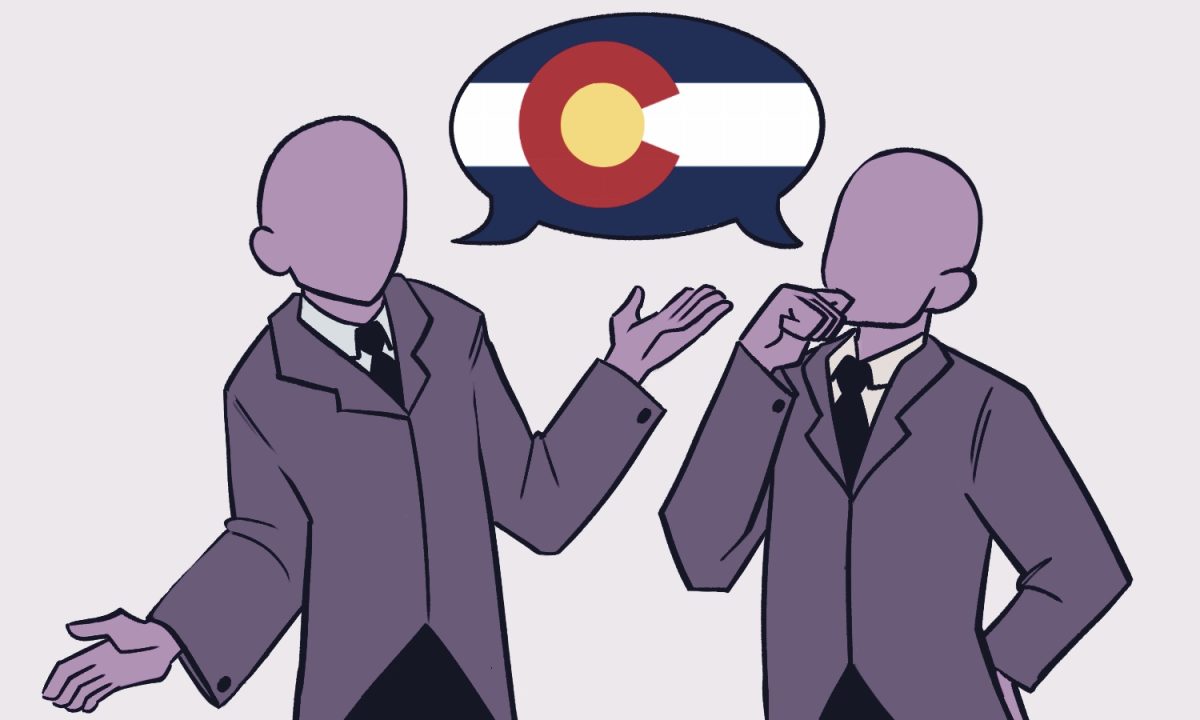
In less than a week, voters across the country will cast their ballots in midterm elections that could shift the balance of power in Washington. While the majority of focus has been devoted to the contested races for Congress, down-ballot boxes cannot be left unchecked. Billions of dollars are being spent on critical statewide contests and referendums. From governors’ mansions to statehouses to local ballot initiatives, voters will make their voices heard.
I call on all my eligible fellow Rams, to get out and vote in this year’s midterm elections and make an affirmative choice. And if you are not registered to vote, or have not registered to vote, there is ample time (closes Nov. 3). Voting and participating in our democratic process is not just a right; it is a privilege. The preceding generations were driven, above all, by the aspirations and sacrifices to make their voices heard. The work and sacrifices of activists, grassroots organizations, military members, public servants and many more fought for the privilege of voting.
We honor activist leaders like Fannie Lou Hamer, who was subjected to police violence after she and some friends were returning from a voter workshop in 1962. She used her voice to tell her stories to create change and push the envelope for voting rights. We honor all the service members from all different ethnicities who laid down their lives throughout our history for the United States Constitution and the right to life, liberty and the pursuit of happiness. It will be up to all of us to make this a reality. By voting, we honor their perseverance. If you choose to vote, you are using your voice to shape the world you want to live in.
Our generation’s voices are grounded by our diversity, laced with fresh perspectives and involved civic engagement. We will all be future leaders of our nation, making our voices critical in shaping our nation’s future. It is up to us to challenge how things have been; it is up to us to be part of the solution because we will be the ones left to pick up the pieces.
Vote for a candidate or a ballot measure you think will be able to deliver the changes you seek. All I ask is for our fellow Rams to inform themselves about the candidates, propositions and amendments. Ask questions to advance your clarity; we want our Rams to be as informed as possible when they mark their ballots. I personally know it can feel overwhelming to see the wide variety of issues we are required to vote on. So do not be discouraged if you feel weary about voting. I know of many who have experienced this emotion and felt overwhelmed.
Registered citizens participate in voting for candidates to be our representatives. We also vote on amendments and propositions. An amendment is a proposed change to Colorado’s Constitution. A proposition asks voters to approve a new state law and requires a simple majority of 50 percent plus one vote in order for it to be legislated. Once a proposition becomes law, state lawmakers will have additional opportunities to amend the legislation. Understanding the process is complex, and that is to discourage everyday citizens from informing themselves, especially Gen Z. Be curious, my fellow Rams, about the processes and seek to learn how they work.
I would like to share my inclination on the ballot measures I will be casting my vote on. This is not to persuade anyone to vote accordingly, but for everyone to have a reminder on the totality — wholeness — of this fall’s ballot measures. I encourage everyone to do their exhaustive research since the language on these amendments can be purposely confusing.
Your vote is your power. Claim it now.
Amendment 81: No
Amendment 82: No
Amendment 83: No
Amendment 84: No
Amendment 85: No
Amendment 86: No
Amendment 87: Yes
Prop 132: No
Prop 133: No
Prop 134: No
Prop 135: No
Prop 136: No
Prop 137: Yes
Prop NN: Yes
Ballot Issue 7a: Yes
I decided whether to vote yes or no on candidates or ballot measures after careful consideration on behalf of all my constituents. For example, I have had many students, faculty, and staff ask me to be notified about Immigration and Customs Enforcement. The need for communication has been expressed, and this measure, in my opinion, would hinder transparency within the department of ICE.
Another example is Amendment 83, which is extremely vague, guiding me to vote no. I would like a definition of what “traditional methods” means in this context, and more clarification on how this will be carried out. I did my research, and I did not find satisfying answers. Therefore, I urge you to do the same and form your own opinion.
The last example I will provide is on Ballot Issue 7a, which addresses the Front Range Passenger Rail District. This would provide a connection point for so many Rams and other underserved Colorado communities. Our transportation methods need to change for the better to support Front Range’s growing population. We can also raise the question of ticket pricing and seeing how we can alleviate the stress for our Ram community.
You may have differing opinions on the issues I vote for, and that is how a true democracy functions. Revealing my ballot initiative preferences is not to persuade your vote. I encourage you to think critically as well on each measure and candidate you are casting your vote for. As I mentioned, voting has not been a right — it is a privilege — for the citizens who can. It is our generation’s clear call to ensure voting remains accessible for all those eligible.
The 15th Amendment was ratified in 1870, which allowed all men the right to vote. Fifty years later, the 19th Amendment granted all women citizens the right to vote, which happened in 1920. Forty-five years later, the Voting Rights Act was signed in 1965, which aimed to enforce the 15th amendment and end exclusionary voting practices. This is perhaps the most significant statutory change in the relationship between the federal and state governments in the area of voting since the Reconstruction period following the Civil War.
I hope this serves as your reminder as to why we vote.
I am voting for the entirety of my ballot since different entries affect different communities I inhabit. I appeal to everyone eligible: Vote because we are the future of not only our demographically changing country but the world. The best way to shape that future outcome is by casting our vote in this election.
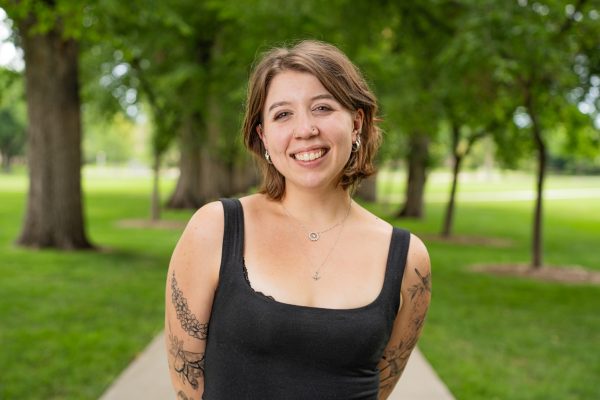
Victoria Quesada-Stoner, Associated Students of Colorado State University President
Send letters to letters@collegian.com. When submitting letters, please abide by the guidelines listed at collegian.com.