
Editor’s Note: All opinion section content reflects the views of the individual author only and does not represent a stance taken by The Collegian or its editorial board.
As a child, I remember being told taking the birth control pill was equivalent to having an abortion procedure every single month. As an adult, I’m eternally grateful to know this isn’t true and to live in a place that allows me access to birth control pills.
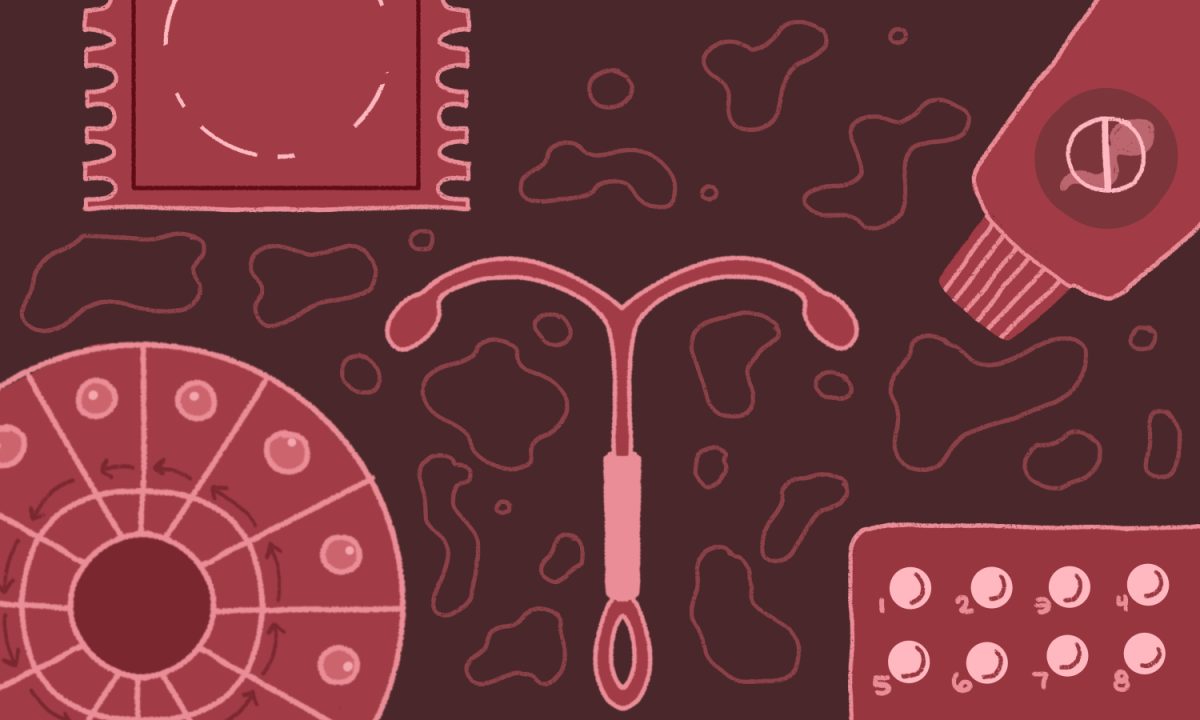
The birth control pill is a source of heavy controversy. Social media sites like TikTok and Instagram have seen a rise in anti-birth control content, promoting reels where health influencers tell users to keep their bodies “natural” instead of pumping them full of “fake hormones.” The comments are flooded with people agreeing, some going as far as to say they would never allow their children to take a birth control pill. Most of these arguments are filled with false information and harmful stereotypes, such as the argument that birth control pills are a form of abortifacient.
When I was first prescribed a birth control pill at 17 years old, I was only vaguely aware of the potential side effects. I knew about the potential blood clots, spotting and mood swings, but I did not know I would deal with low iron levels, fatigue issues or serious hypertension.
Every medication comes with potential side effects; however, that does not mean it isn’t life saving and necessary. We need to be able to talk about the pill and its effects without fearmongering or spreading false information.
“Inciting a movement around how hormonal birth control is unsafe or unnatural only reinforces the sexual shame that has been projected onto contraceptive users for centuries.”
After switching pills a couple of times, I eventually found one that managed my endometriosis symptoms well with close to no side effects. Since then, I’ve been a big advocate not only for the pill but for every user to find a form of contraception that fits their preferences and their body, giving users the options they need to exercise full autonomy over their bodies and lives.
This anti-birth control movement is almost offensive to the users helped by contraceptives. Stigmatizing contraception and saying users are harming their bodies by using birth control — without understanding it is necessary for many’s livelihoods — will only lead to confusion and harm.
Individuals are prescribed birth control pills for a multitude of reasons, and not a single one is shameful. Whether one is taking the pill to manage pregnancy, acne or cramps, there is no shame in using a tool to help someone live a better life. Just like any other medication on the market, birth control manages symptoms to give users better opportunities.
The “everything is bad for you” argument pushed on social media will not get us anywhere. Everyone’s bodies are different, therefore everyone’s needs are different. Inciting a movement around how hormonal birth control is unsafe or unnatural only reinforces the sexual shame that has been projected onto contraceptive users for centuries.
Health situations are also nuanced, and understanding this nuance is imperative, especially when birth control is being politically targeted in a post-Roe America. Demonizing birth control will lead us down a road where there are no longer any contraceptives to debate about.
Contraceptive use and access lowers maternal morbidity and ovarian cancer risks, empowers people to participate in education and the workforce, reduces teen pregnancies by over half and even lowers the chances of poverty during one’s lifetime. Saying birth control is too dangerous on a global level sets users up for struggle.
Expansive contraception access gives users autonomy over their bodies and lives. While the pill comes with side effects, access to contraception is crucial for gender and health equality, as well as economic opportunities for everyone.
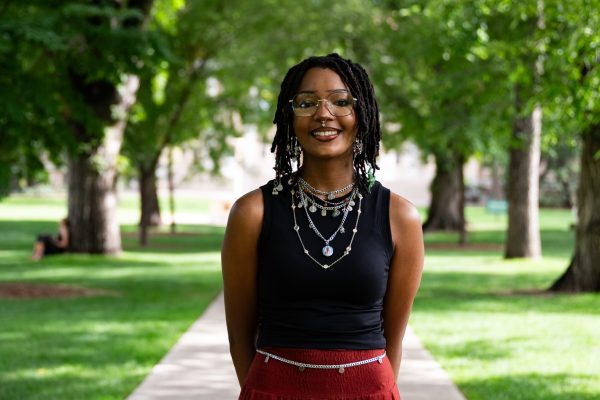
Reach Skylar White at letters@collegian.com or on social media @RMCollegian.