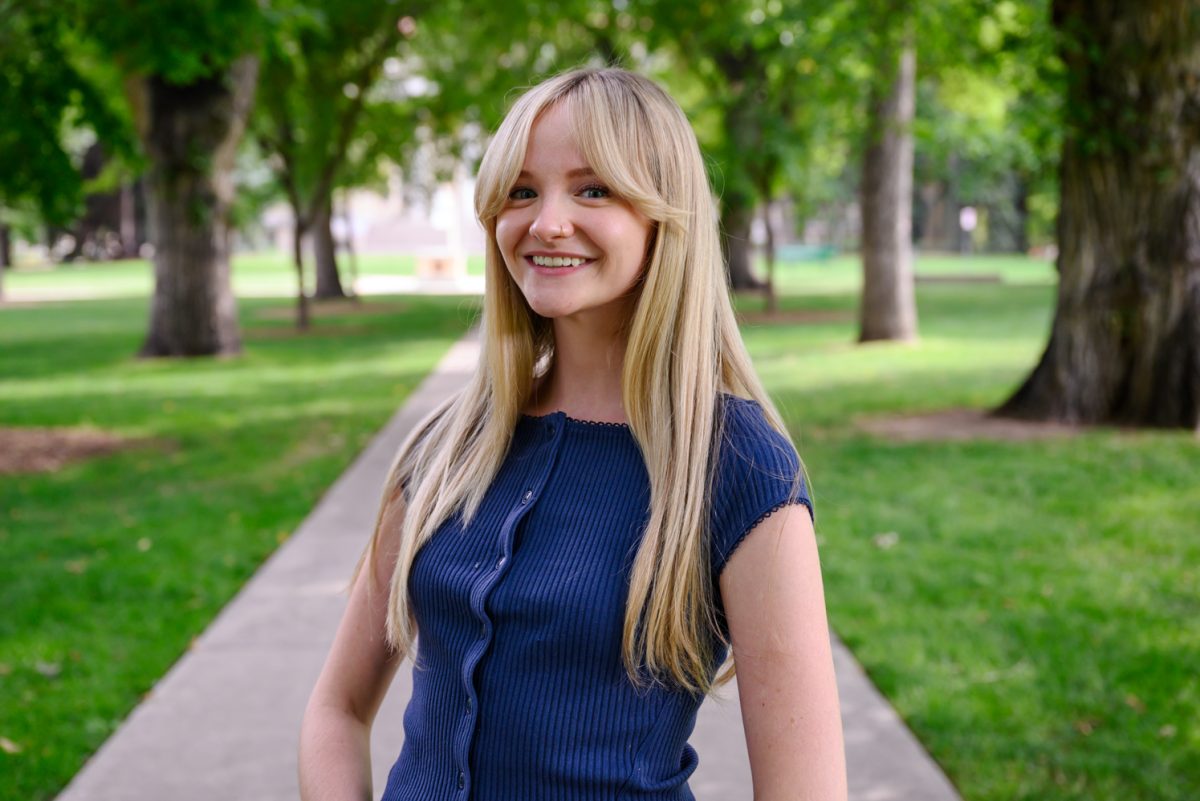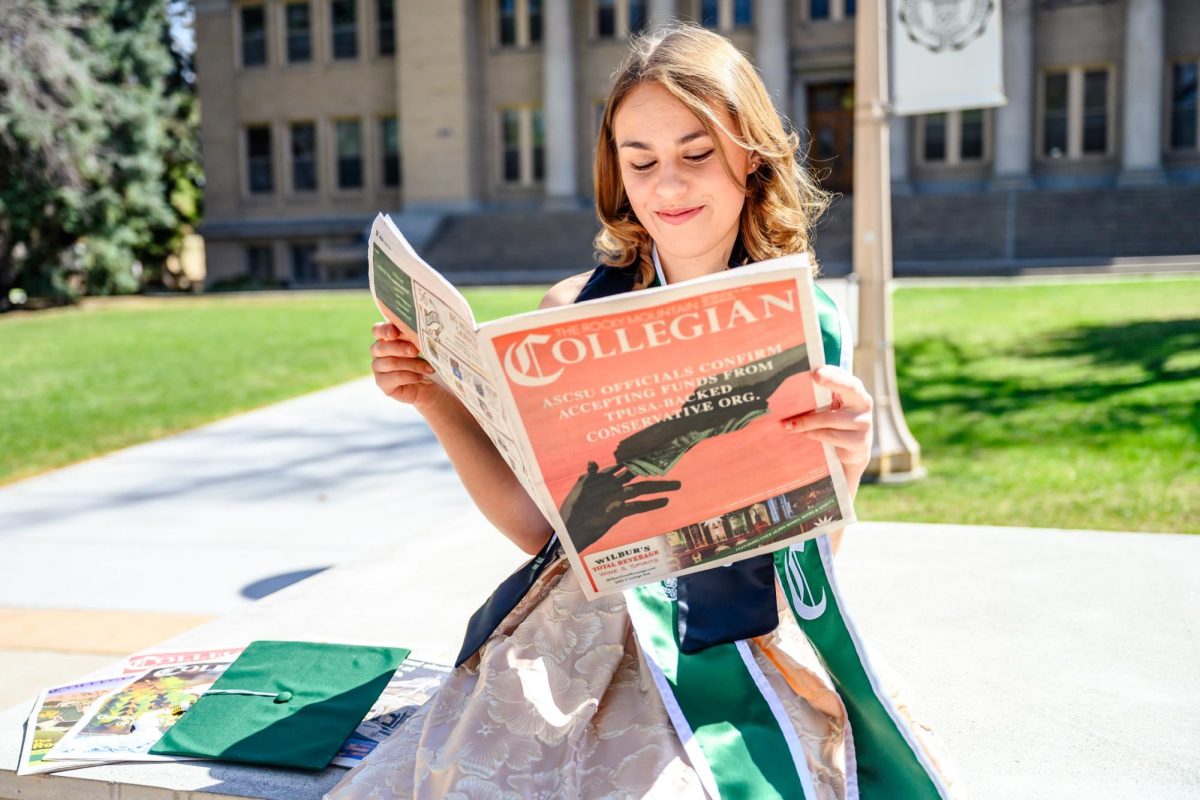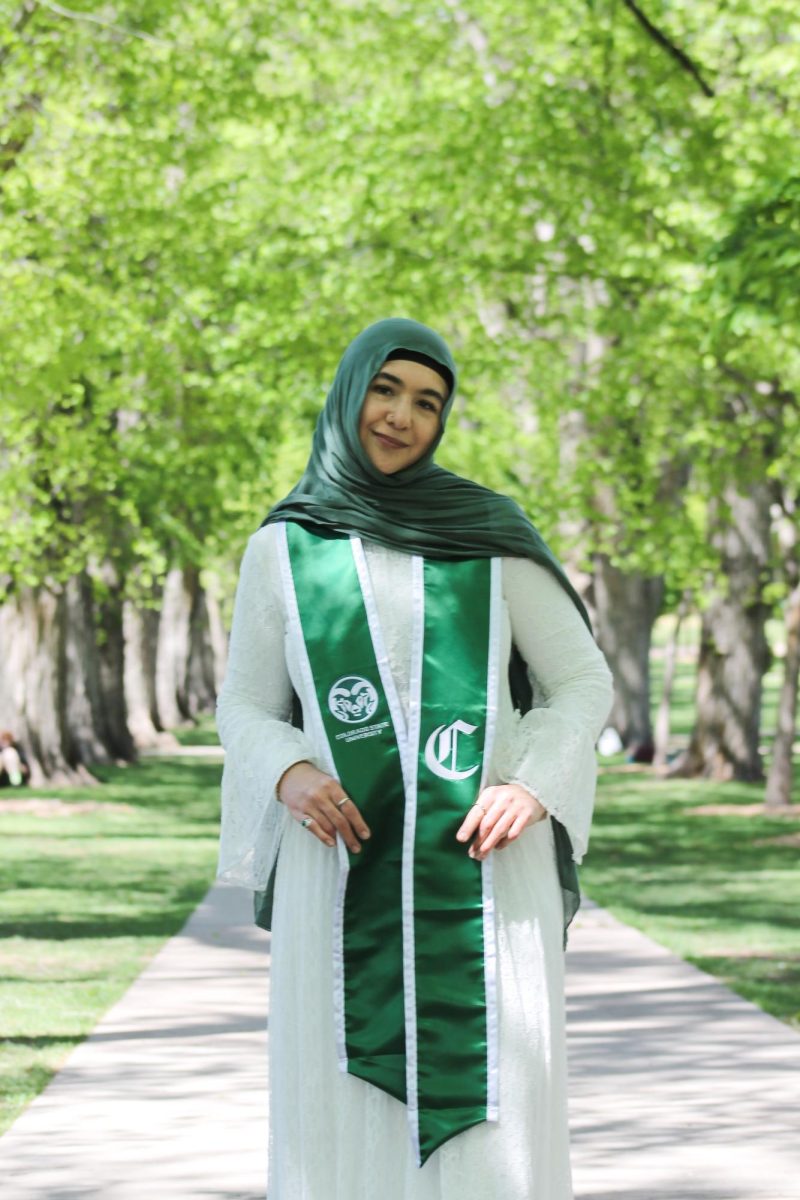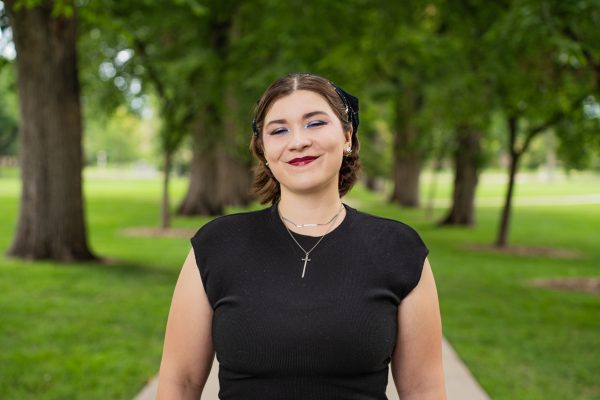

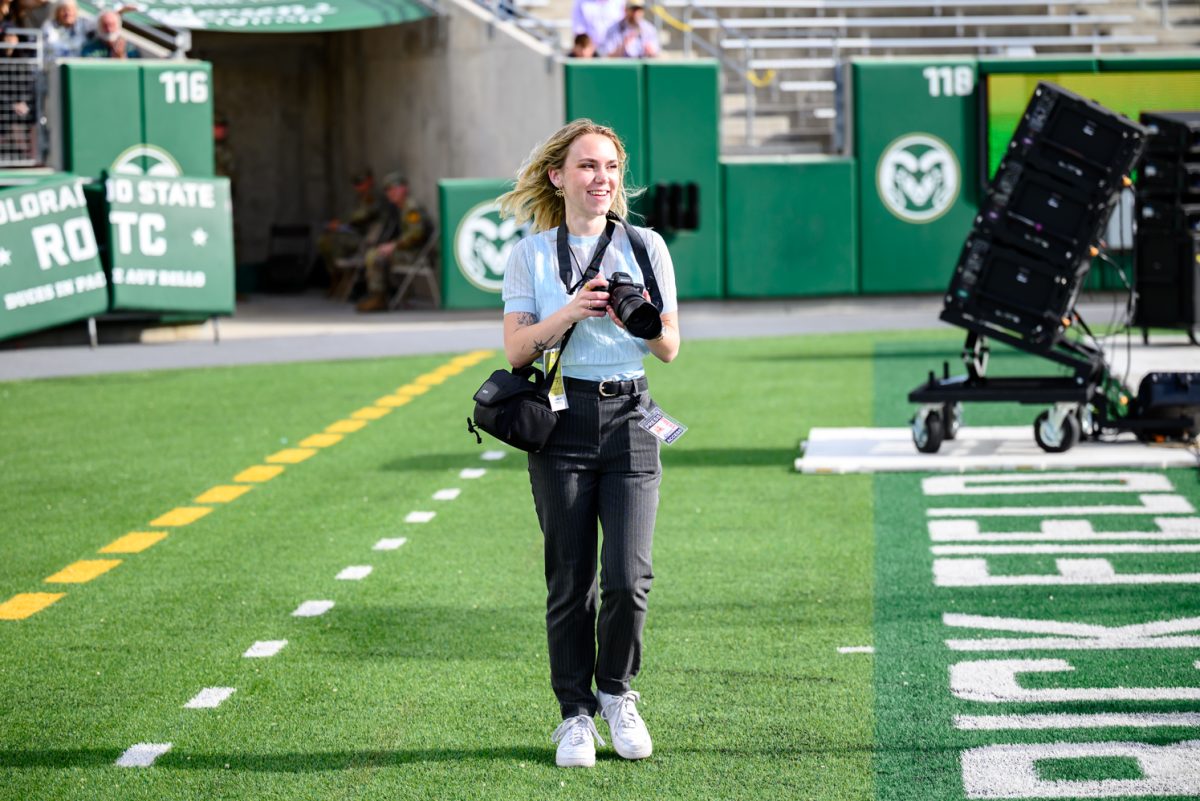
Editor’s Note: Traditionally, graduating seniors working at The Collegian are given the chance to write a farewell note at the end of their tenure at CSU.
I have been trying to write this column for months. It’s a tall order, summarizing a three-year journey into one last column. I kept thinking that eventually, I would land on the right way to say goodbye.
And now I’m on deadline, and I haven’t.
There is too much to say and not enough print space. Every time I sit down to start, I find myself circling the same problem: How do you condense something that has fundamentally changed you into a single goodbye?
Goodbyes are strange. No matter how much time you think you have to prepare, they still show up unfinished and before you’re ready. There’s always more you could say, more you wish you had time to explain.
So instead of trying to say everything, I’m going to say goodbye in a way that feels honest, through the lessons I have learned from a chapter of my life I never planned to write.
The first lesson is that the things that change you most are rarely the things you plan for.
Three years ago, this wasn’t part of my plan. When I transferred here, I wasn’t looking to get overly involved on campus. I wanted to learn and graduate, and maybe write something that wasn’t a research paper.
I often say I stumbled headfirst into The Collegian, and that’s exactly what it felt like: an unexpected collision.
Somehow, that collision changed everything.
The thing is, saying yes to something unexpected has a way of reshaping you. When you allow yourself to take the open door, even when it doesn’t align with whatever plan you thought you had, you learn things about yourself that you can’t learn any other way.
This paper didn’t just fill my time. It reshaped how I move through the world. It made me more patient, more thoughtful, more aware. It taught me to be comfortable not knowing, to ask better questions, to sit in uncertainty a little longer than I used to.
And maybe most importantly, it showed me that it’s OK, and sometimes even necessary, to let your life take a turn you didn’t anticipate.
The second lesson is that there is power in paying attention to the place you are.
In a world that feels increasingly online, increasingly distant, this job rooted me in the place my feet are. It forced me to pay attention to what is right in front of me, to the people walking across this campus, to the stories unfolding in this city every day.
This job deepened something that was already there: my curiosity. An endless, sometimes overwhelming need to understand this world and the people in it. The Collegian didn’t give me that curiosity, but it gave it direction. It grounded it, grounded me.
Through reporting, I learned that there is nothing “small” about local stories. They are the stories that shape people’s day-to-day lives and are deeply human.
The Collegian made me pay attention to what is right in front of me, and in doing so, it gave me a sense of place that I didn’t realize I was missing.
The third lesson is that listening is one of the most meaningful things you can offer someone.
One of the most profound parts of this work has been the responsibility and the privilege of helping people tell their stories. Of giving space to voices that too often go unheard or are actively silenced.
Journalism, at its core, is about listening. Not just hearing words but understanding what someone is trying to say and giving them a place to say it.
My most meaningful example of this is a story I wrote about allegations of nonconsensual drug use at off-campus fraternity parties and the university’s response. That story went on to receive national recognition through the Hearst Award for Feature Writing.
What that recognition represents to me has very little to do with me. It represents the people who came forward. The people who, in the face of systems that made it easier to stay silent, chose not to.
My sources in that article were and continue to be braver than most people. They told me their stories. They trusted me with evidence, documentation and pieces of their lives that are not easy to share. They trusted me to get it right.
The truth is that while I wrote that story, it was never my voice. It was theirs.
Thank you to every person who ever took the time to tell me their story. Many of you changed the way I see the world, and for that I am grateful.
The fourth lesson is that being a part of something bigger than you comes with responsibility.
I have never formally studied journalism, but my time here has shown me that journalism plays a vital role in how communities function. It creates accountability and preserves truth. It gives people a way to speak to power, especially when power would rather not listen.
More than anything, it connects us.
The Collegian has been around for more than 100 years. It is not just a newspaper, it is a living archive of CSU and Fort Collins, built story by story, voice by voice. It existed long before I got here and it will continue long after I’m gone.
Getting to be a part of that has been one of the greatest privileges of my life.
The final lesson is this: the people you meet along the way will matter more than anything else.
Our newsroom is a strange, wonderful place. It is fast-paced and stressful and, at times, chaotic. But it is also full of people who care deeply about the work, about each other and about getting things right.
The Collegian has given me friendships and mentorships that I cannot imagine my life without. The people I have met through the paper have left a lasting mark on me and shaped not just my experience here but the way I will move forward from it.
Though they have graduated already, I want to thank Ivy Secrest, Christian Arndt and Adah McMillan, who challenged me and made me a better editor and a better person. Thank you for believing in me before I fully believed in myself.
I also want to thank Nathan Carmody, Claire Vogl and Willow Engle, the wonderful people who turned long Tuesday nights into something I will look back on with more fondness than I can currently process.
To the people at this paper who will take over after I’m gone — Engle, Sophie Webb, Alli Adams and Cait Mckinzie — I am so proud of each and every one of you. I know that you will do incredible things with this paper, and I can’t wait.
Lastly, thank you to my partner in crime Allie Seibel, without whom I would almost certainly not be who I am today. It has been an honor and a privilege going through this journey by your side. You have become one of my closest friends, and you’ll always be one of my favorite writers.
To our dedicated staff: Thank you for showing me what it looks like to do meaningful work alongside people who are just as committed to it as you are.
You are, without a doubt, the best part of this story.
For those of you reading this, I leave you with one final lesson: be open.
Be open to the opportunity that doesn’t quite make sense on paper. The thing that doesn’t fit neatly into your plan. The path that feels unexpected, or even a little uncomfortable.
Be open to the people around you. Talk to them, listen and let their stories change you.
I didn’t plan to find The Collegian, but I’m so glad I did.
Because the most meaningful parts of your life are often the ones you never saw coming.
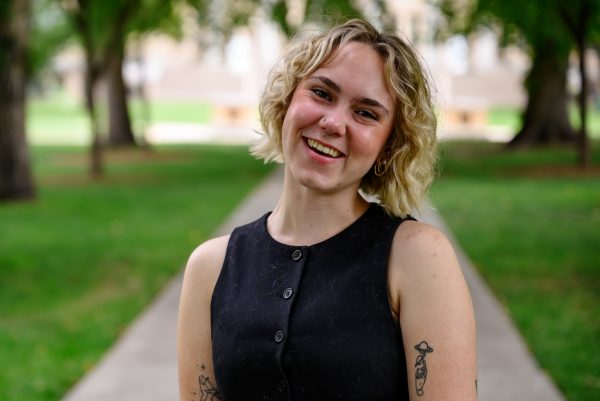
Hannah Parcells was the 2024-26 managing editor of The Rocky Mountain Collegian. She can no longer be reached at managingeditor@collegian.com, but she can be reached on social media @hannahparcells.