
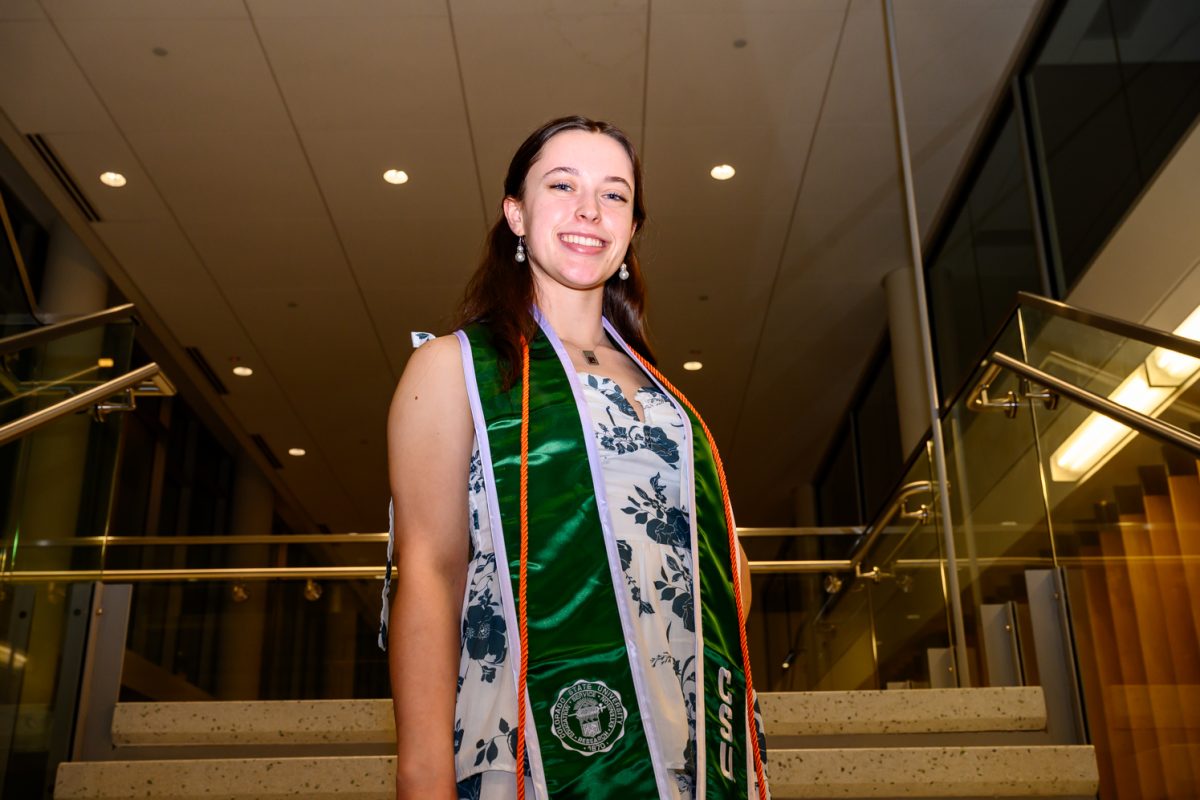
Editor’s Note: Traditionally, graduating seniors working at The Collegian are given the chance to write a farewell note at the end of their tenure at CSU.
My delightful time spent at The Collegian inspired me to further my understanding of photography as the accumulation of crucial visual evidence for telling stories.
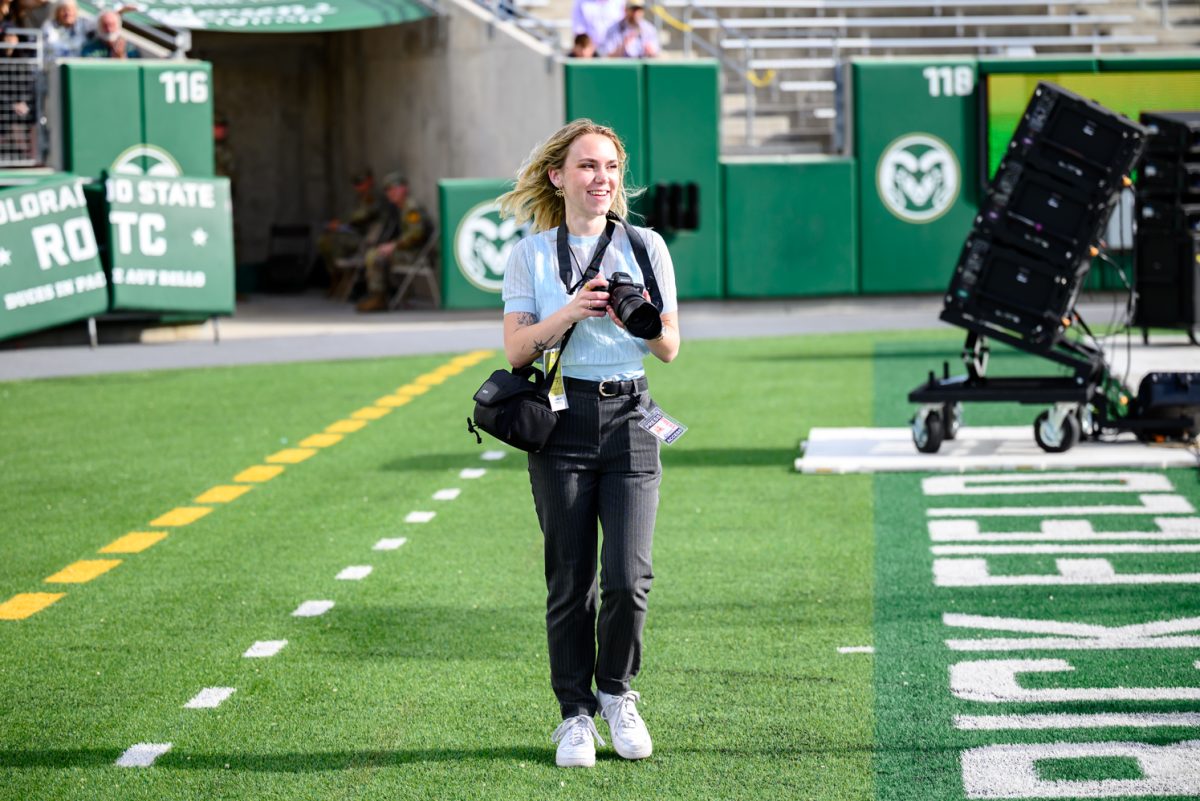
I have always operated to tie visual imagery to the written word. At The Collegian, I’ve had space to engage with the mere concept of a photographer, and question, what is the deeper role of the photographer in a journalistic workspace? In working toward gathering imagery to support stories, a photographer identifies a story’s objective manifestation in the world and composes imagery to communicate their viewpoint. With this, photojournalism seems to act as an elegant connection point for readers in illustrating the “realness” of a story, concept or issue.
The practice of photography balances a fine line between remaining deeply connected to the objective world and inevitably reflecting your perspective. The process of photographing an event, subject or location is ultimately writing light information to a sensor. The photographer captures what is really there, documenting real-time moments. Yet there is so much intentionality involved in capturing moments, such that every photographer on The Collegian’s staff has a unique style.
Successful photography requires having a keen awareness of the story unraveling in front of you. Any story about people in our Fort Collins community, notable events, special research or breaking news consists of goal-directed actors and factors involved in the story at hand. The photojournalist can leverage timing and location to capture moments that are representative of overarching stories.
In the sense that photographs are visually representative components of stories, they act as symbols of communication just like typography and the written word. Glancing at a successful composition, you can infer a story. With one click of a button, I’ve learned that taking a photo is quite simple; however, a simple image is symbolic for a complex story. It’s crucial to ask yourself when taking photos, what is the most information I can possibly communicate with one click of a button? This is what makes good photography so challenging.
To depict “what is happening” is to physically locate where a story is occurring and point at it. In this way, photography functions to provide evidence that demonstrates the realness of events. Photos act as evidence for readers to further understand a story as something happening in their world. The other element of this is that the photographer is our witness of the occurrence. A photographer cannot avoid becoming face-to-face with the story at hand. You can’t fake it, and you absolutely must engage with people, locations and environments in order to document them. I can’t help but think there is something astonishingly human about the process of photographing for stories.
Thank you to all the editors at The Collegian for embracing me as an assistant photo director for one year. I have definitely learned more about what it means to be a photographer by being a part of the publication process. Working with Photo Director Cait Mckinzie has been exceptional. John Eisele has provided great mentorship and supervision in directing our photography team. I’m certainly grateful for The Collegian’s staff photographers for being an awesome team to work with.
Thank you!
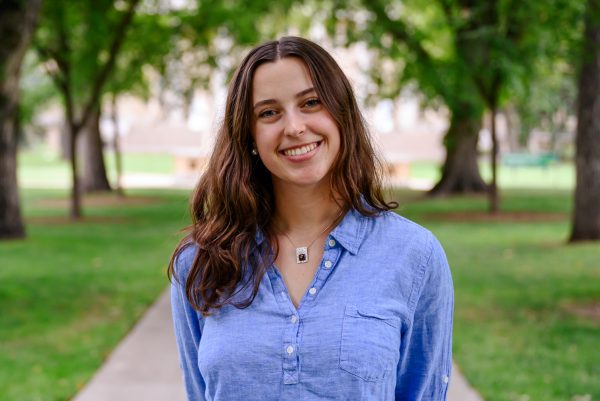
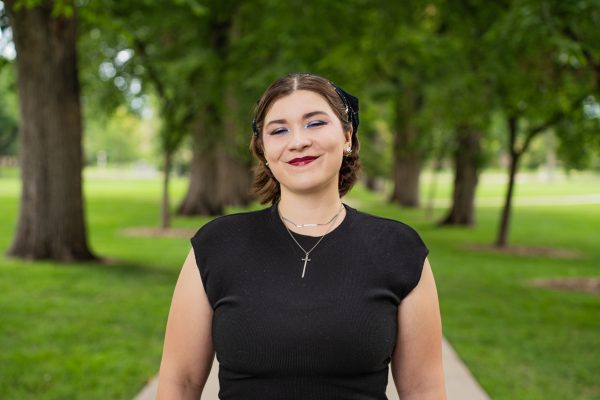
Sofia Raikow was the 2025-26 assistant photo director of The Rocky Mountain Collegian. She can no longer be reached at photo@collegian.com, but she can be reached on Instagram @manyspiritz.