
Editor’s Note: All opinion section content reflects the views of the individual author only and does not represent a stance taken by The Collegian or its editorial board.
It shouldn’t be nearly 70 degrees in the winter. Tank tops and shorts shouldn’t have been sported as early as January. Reservoirs, rivers and lakes shouldn’t be reaching record-low levels across the country. Ski resorts shouldn’t be closing one month into spring.
Nine of the 11 hottest years in Colorado’s recorded history have happened since 2012. Weather patterns have been unpredictable and uncharacteristic in the last decade, with extreme temperature highs and lows and severe storms becoming far more frequent. Parts of the globe have been reaching summer temperatures since winter began, and the effects of the Earth’s rising fever have grabbed the attention of not just climate scientists but all inhabitants of our planet.
Climate change isn’t simply a problem for the professionals; it’s now in the hands of the global population to make real and effective change. The damage to our environment has become harder to ignore, and our planet is screaming for help.
You’ve heard all of this before. Climate change is not a new idea or a fresh take, but the meaning behind these messages remains: We will overheat.
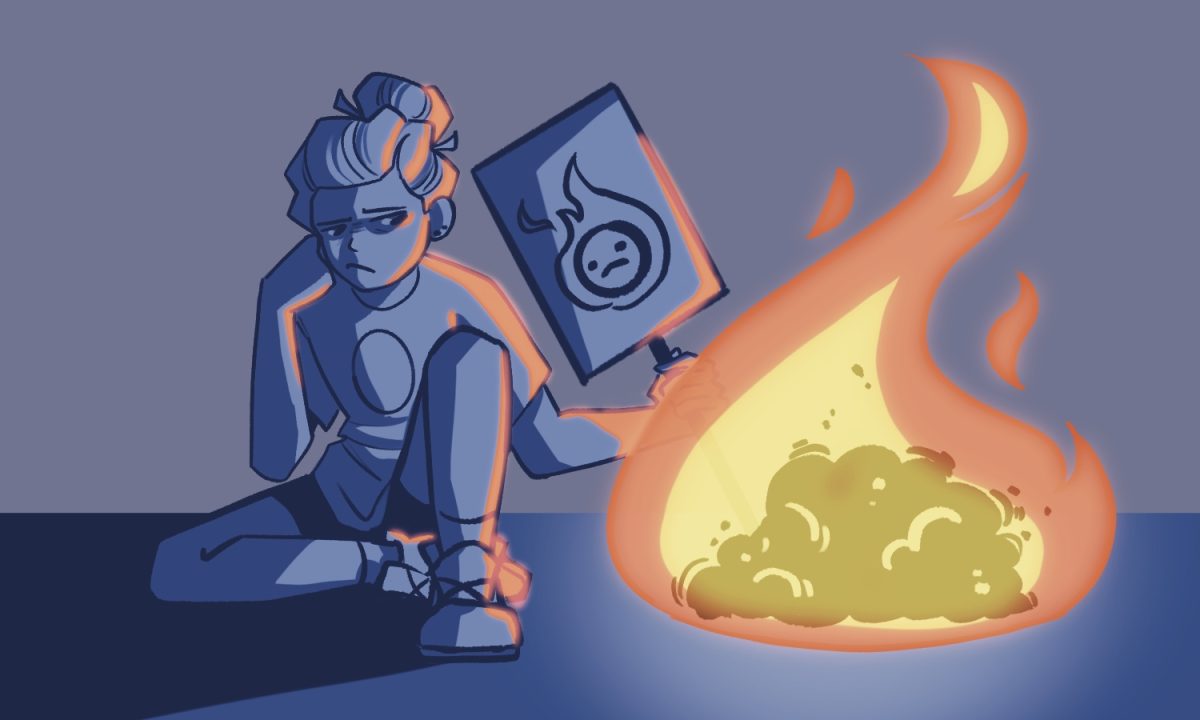
These frightening signs of our climate’s failing health have caused a lot of discouragement, so much so that some think these wounds to our atmosphere, to our water and to our environment are too far gone to be healed. This phenomenon is called doomism — or climate depression.
Doomism is a trend that made its social media debut in 2022. It is the mindset that the serious damage done by climate change is irreversible and that the planet is “doomed.” It has been a consistent issue for climate activism and awareness ever since, and its apathy toward concern over climate change effects — “If the world is doomed, then all we do is sit, wait and suffer” — has ultimately lead to climate inaction.
While doomism is harmful in many ways, including in its inaction, it also damages mental health and reduces any likelihood of the collaborative effort necessary for the Earth to survive. It comes from consuming news of climate loss and pessimism, as well as accepting fear-driven content from climate activists — originally aimed to increase proactivity — as fact.
Climate scientists and activists are partially to blame for the spread of climate eco-anxiety and doomism. Using fear to motivate can backfire. It makes room for pessimistic viewpoints, low self-efficacy and, therefore, a lack of belief. This allows doomism to misinterpret the actual science of climate change, using its levity to rule the overall perception of what scientists mean by “global warming.”
This fatalistic view on the future slows down progress from activism and speeds up the damage. There is still time for habits to change, for lifestyles to develop and for mindsets to shift. Doomism is the “flight,” but we, as humanity, must “fight” to reverse the damage we’ve done so these fears do not become reality.
The only way to reverse the effects of this climate emergency is to come together and produce more hope than we do fear, thus taking climate change, as big an issue as it is, in small increments to create as much local change as possible. This could mean composting at home, watching water usage or using eco-friendly travel.
Do not view climate news as a simple, “The end is near.” Rather, it’s a call to stop, to assess and to make sure that the end does not come. There is still time, but we must start now.