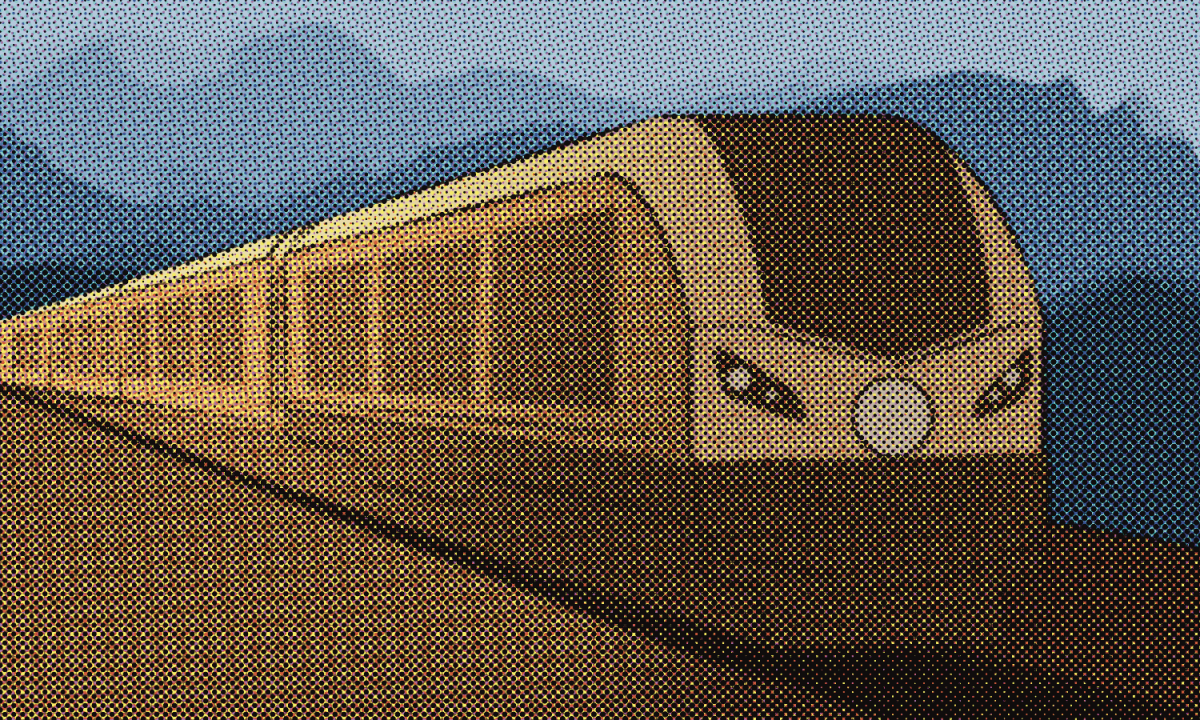

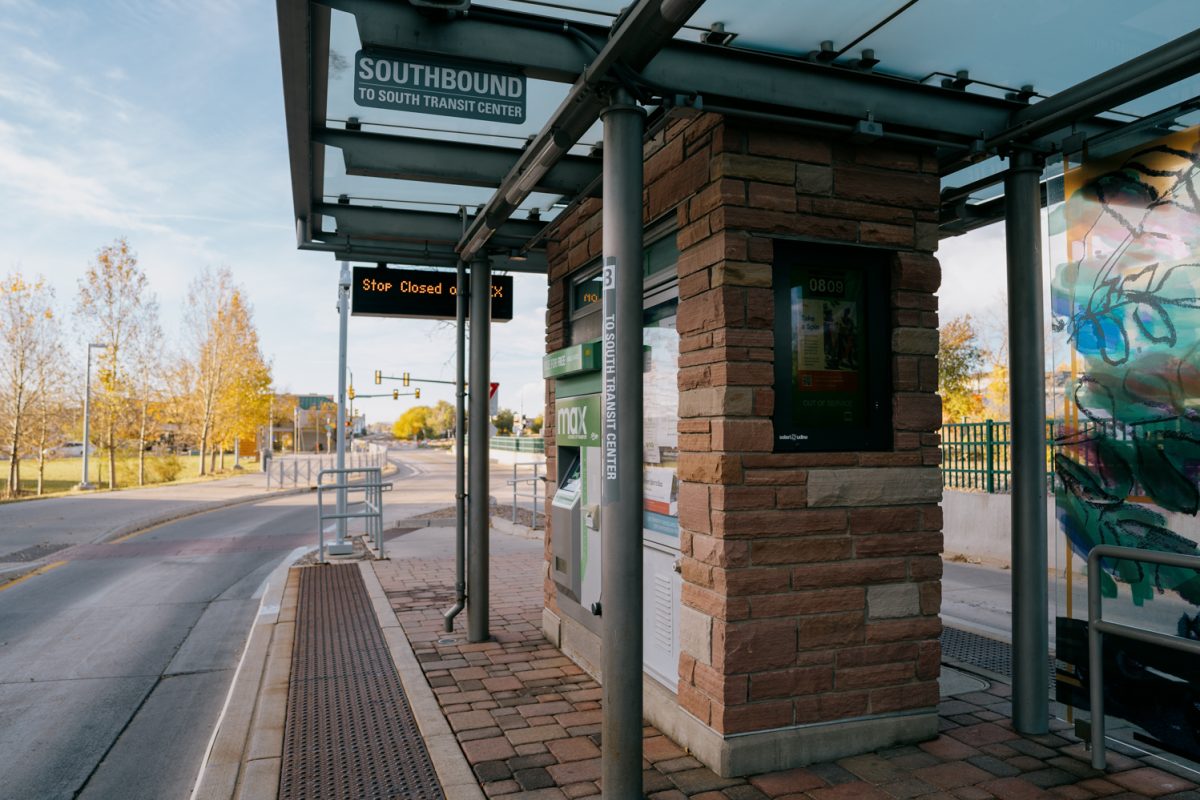
Fort Collins’ West Elizabeth Bus Rapid Transit Design Project — which aimed to connect Colorado State University’s main campus to the Foothills Campus and provide transportation for surrounding neighborhoods — has been put on pause following December 2025 federal funding cuts.
The West Elizabeth Corridor BRT Project began planning in 2015, aiming to address issues such as increased travel demand, safety concerns, transit capacity limitations and gaps in the pedestrian and bicycle networks. The full project design was set to be completed this spring.
“As of January 2026, design work on this project is paused while the City evaluates funding opportunities for construction,” the project’s website reads. “Once construction funds are secured, the design projects will resume and designs will be finalized. There’s currently no timeline in place for the completion of design and construction.”
The $10.7 million Rebuilding American Infrastructure with Sustainability and Equality grant was cut by the United States Department of Transportation in 2025. The RAISE grant was going to be used to fund the transit station and roundabout at Overland Trail and Elizabeth Street, according to Fort Collins City Council documents from February 2025.
“The city has a long track record of seeking federal and state funding to help deliver large-scale infrastructure projects, including improvements along key corridors such as West Elizabeth,” said Melina Dempsey, senior transportation planner for the City of Fort Collins.
“Canceling projects like this one doesn’t just have implications for the citizens who would have used the proposed bus system. It also has implications for the relationship between the state and federal government and on people who were counting on the work that this project would’ve provided.” -Clare Brock, CSU assistant professor of American politics and public policy
The RAISE grant cancellation was a part of a larger $109 million dollar transportation grant cut for projects with an environmental focus in Colorado. The Department of Transportation said these cuts came because the projects did not align with President Donald Trump’s America First Agenda or were redundant projects, according to reporting by The Colorado Sun.
“Typically we think of the federal government as being a reliable employer and source of funding, but in this case, we are seeing that states may have less ability to rely on federal funding, especially after partisan turnover that impacts federal priorities,” wrote Clare Brock, CSU professor of American politics and public policy, in an email interview.
In Colorado, the Taxpayer Bill of Rights restricts the state’s ability to raise funds through unapproved tax increases or debt issuance. Brock said federal funding is essential for completing big projects like the West Elizabeth BRT Project.
“Canceling projects like this one doesn’t just have implications for the citizens who would have used the proposed bus system,” Brock said. “It also has implications for the relationship between the state and federal government and on people who were counting on the work that this project would’ve provided.”
According to The Coloradoan, the RAISE grant was in “early stages selection,” and “the city never entered into formal grant agreements.”
Dempsey said the City of Fort Collins Transit Master Plan identified the West Elizabeth Corridor as a “critical connection,” in need of multi-model improvements. The West Elizabeth corridor is a dense area, holding more than 24,000 residents and 20,000 jobs, according to the project’s website.
Dempsey said the Foothills Transit Station design and the Overland Trail roundabout were 90% complete, and the rest of the corridor was 60% complete when funding was cut. The city plans to continue working with partners interested in the project, including CSU, to secure the funding for future phases.
Reach Chloe Rios at news@collegian.com or on social media @RMCollegian.