
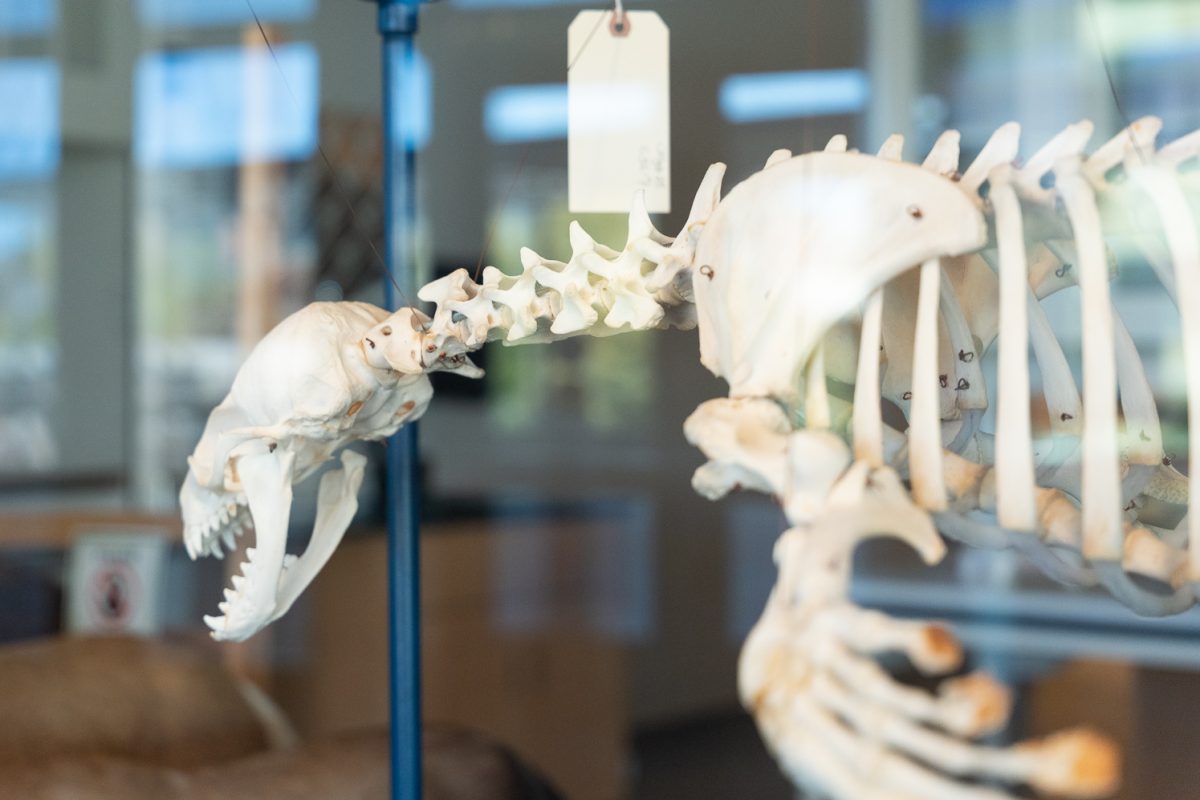
After a recent push by a faculty member of Colorado State University’s biology department, more funding has been received to organize the CSU Biology Teaching Collection, which contains over 13,000 preserved specimens to aid in providing hands-on experience to students.
CSU Associate Biology Professor Tanya Dewey said she realized the pedagogical resource was in dire need of curatorial help and made a push to the department to receive funding to make the collection more accessible.
“I realized that the collection was kind of in a poor state,” Dewey said. “The drawers were jumbled and kind of packed densely; it wasn’t very organized in terms of taxonomy. I couldn’t find databases. So when I started teaching mammalogy, I was like, ‘OK, we really need to do something about this because I need to be able to find things and I need to know that they’re not going to be damaged by being mishandled.’”
Dewey — whose undergraduate and graduate work centered on museum collections — said she was recently granted funding to pay for a graduate teaching position to help manage the collection.
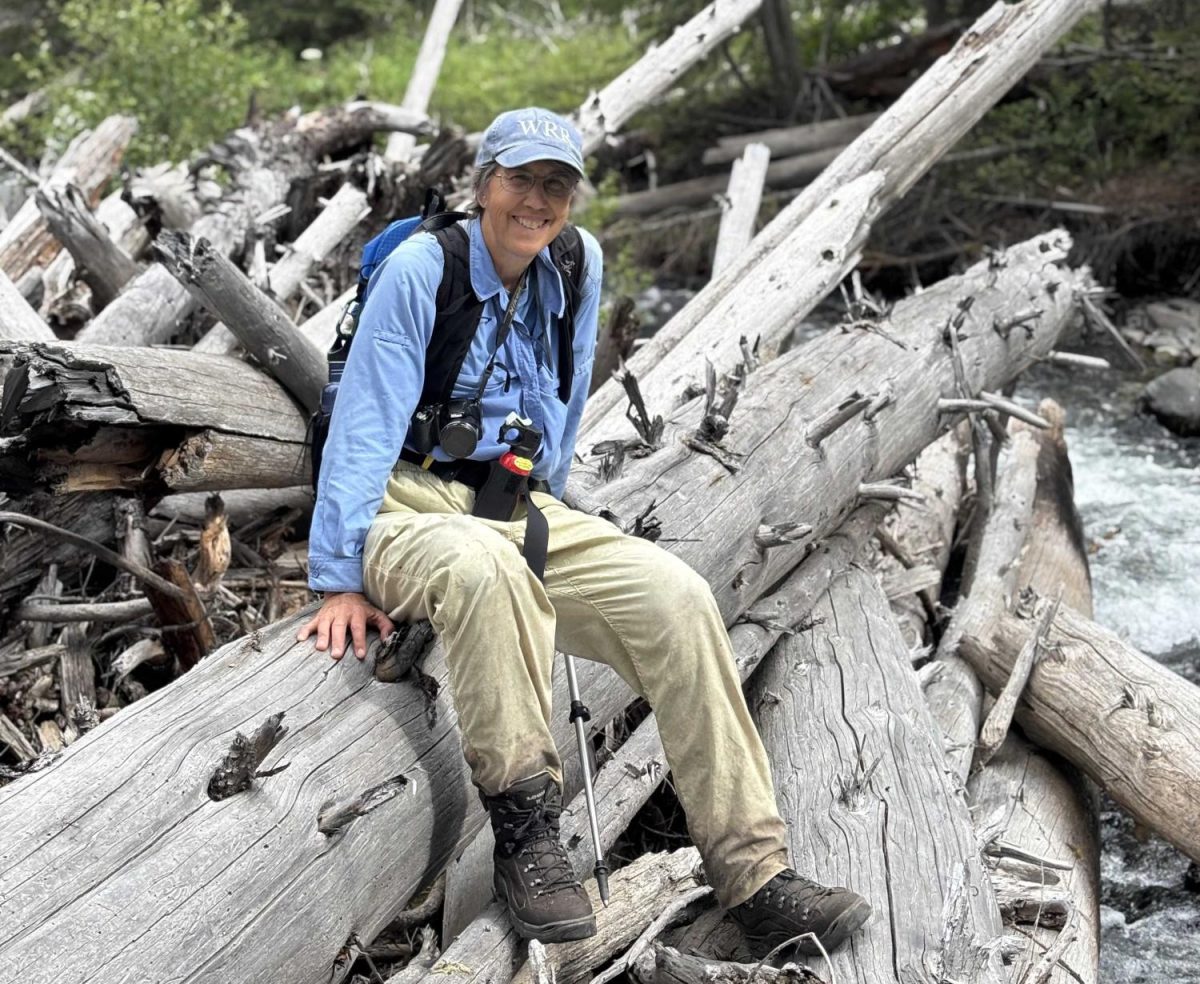
The new position was filled by Jennifer Brady, a doctoral student studying in CSU’s Graduate Degree Program in Ecology.
“Even though it’s, like, a bunch of deceased animals, they still require care, which is a little counterintuitive sometimes,” Brady said. “We have this amazing collection, but it just experienced a lot of entropy. … It means things are getting used. But it also just means that, like, you have a lot of different hands in the pot. So getting a dedicated management position became really important.”
Brady said she does a lot of inventory work to sort and maintain the collection on behalf of the university’s biology department. She doesn’t do this work alone, as many students have been eager to interact with these specimens and help with this work. The Biology Teaching Collections Club was formed so students within and outside of the biology major could volunteer for aiding in stewarding the specimens.
“We go out to tabling events,” said Eli Marvine, the club’s secretary. “And sometimes it’s like, ‘Hey, here’s why you should join the club.’ But a lot of (it is) actually education and teaching people in our local community why a space like this is so important and why they should support it. Because a lot of peoples’ experience with this is only if they take a lab.”
These student volunteers, along with Brady and Dewey, are on a mission to revive the collection and preserve its specimens for generations to come. Much of the work they do consists of taking basic inventory of what is currently in the collection, as written records of the collection have proven to be few and far between.
“We had some really old handwritten ledgers that were started in, like, 1907,” Brady said. “And that was really the only physical record that we had of what was in this room, and those were very incomplete because ultimately, this is multiple collections that have been added together over the past 150 years.”
The records were not the only thing that needed to be updated. The space is also being revitalized by replacing old nonfunctioning cabinets with museum-grade ones.
“A lot of these cabinets kind of don’t work,” Dewey said. “You have to know exactly how to kick them and pull at the same time in order to get the doors open and things like that.”
The new cabinets make the lives of those stewarding the collection easier and protect specimens from damage in the event of catastrophes, such as a fire or building collapse, Brady explained. She said the cabinets are built entirely from solid steel, ensuring the fragile items are kept safe.
The teaching collection is a tool for university faculty to give students hands-on learning experiences, and it also provides students with a unique look into the process of scientific curation. Brady highlighted how valuable the collection’s renovation has been for the students in the biology classes as well as for the students who volunteer their time.
“It’s turned into this incredible training opportunity for our undergraduates as well,” Brady said. “They’re learning about museum curation, and they’re learning about how do you use things like this in education and outreach. … Obviously, I’m deeply satisfied by having a well-organized collection and knowing that we’re taking good care of these things, but I’m also mostly really humbled and awed and excited by the fact that the students are really interested from all of these different perspectives.”
Reach David Martinez at science@collegian.com or on social media @RMCollegian.