
Editor’s Note: All opinion section content reflects the views of the individual author only and does not represent a stance taken by The Collegian or its editorial board.
The greatest threat to democracy isn’t always loud protests or bitter political fights. Sometimes, it’s the quiet moments when people decide that politics simply aren’t worth their time or energy. As a new academic year begins at Colorado State University, that instinct to tune politics out of our daily lives deserves a conversation.
As a political science major, I get it. Discussions surrounding politics and current events can feel disheartening, draining and even pointless at times. It’s hard not to feel cynical amid rising national polarization and the barrage of anxiety-inducing stories that you see in your daily feed.
In the last year, we’ve witnessed the aftermath of the deeply divisive 2024 presidential election, nationwide protests over the Israeli-Palestinian conflict, the assassination of conservative political commentator Charlie Kirk, heated battles over immigration policy and mass deportations, debates over the roles of higher education and so much more.
Students at CSU are exhausted by politics, and I don’t blame them. These events have left many feeling less hopeful about democracy and more skeptical of whether or not their participation even makes a difference. It’s no wonder that in 2026, two in three Americans agree that democracy in the United States is in danger of failing.
I’m not here to tell you to read the news more, join a protest or spend your free time debating politics. The way you consume media and how you choose to engage with the world around you are ultimately up to you. I’m only here to ask you for something much simpler: Don’t give up on your community.
We often forget that behind the headlines and political debates are our neighbors, classmates, coworkers and families whose lives are directly influenced by decisions being made every day. At CSU, those people are us.
The decisions made in city halls, at the state capitol and even in Washington don’t stay stagnant there. They determine how much we pay for tuition, whether we can afford rent in Fort Collins, the quality of our roads and public transit, the cost of healthcare and countless other aspects of daily life that we don’t usually give a second thought. Politics isn’t something that happens elsewhere — it shapes the community where you live, work and play.
This is why tuning out of politics is so dangerous. Political disillusionment has a way of convincing us that stepping away is harmless, and that it is ultimately necessary to protect our peace and enable us to confront everything else happening in our lives. In reality, it creates a vicious cycle in which fewer people are participating, fewer perspectives are represented and our trust in democratic systems slowly erodes.
Choosing not to engage with the system doesn’t make those problems disappear. It simply leaves others to make those decisions for you, whether it is for the best of your community or not.
By 2028, it is projected that millennials and Gen Z will represent over half of the electorate, granting the younger generations unprecedented political influence. But that influence will only exist if we choose to take advantage of it. Currently, that doesn’t seem to be the case.
A study from Harvard Kennedy School Institute of Politics in 2026 found that only 13% of young Americans believe the country is on the right track, with only 12% saying that they are motivated and ready to participate in the upcoming midterm elections. Another study from the Center for Information & Research on Civic Learning and Engagement at Tufts University found a similar trend in youth voter participation. Only 42% of eligible voters between 18-29 cast a ballot in the 2024 presidential election, a decline from youth turnout in 2020.
If our generation is poised to become the most influential voting bloc in the country, political disillusionment may be the greatest obstacle standing in our way of creating real, lasting change.
Change has never depended on everyone agreeing, and it certainly has not always started in Washington. It begins in communities such as ours, with ordinary people voting in local elections, attending public meetings, advocating for the issues that affect our campus and refusing to accept that our voices don’t matter. Democracy is strongest when we continue to show up, even when we are frustrated, disappointed or skeptical that our voices will be heard.
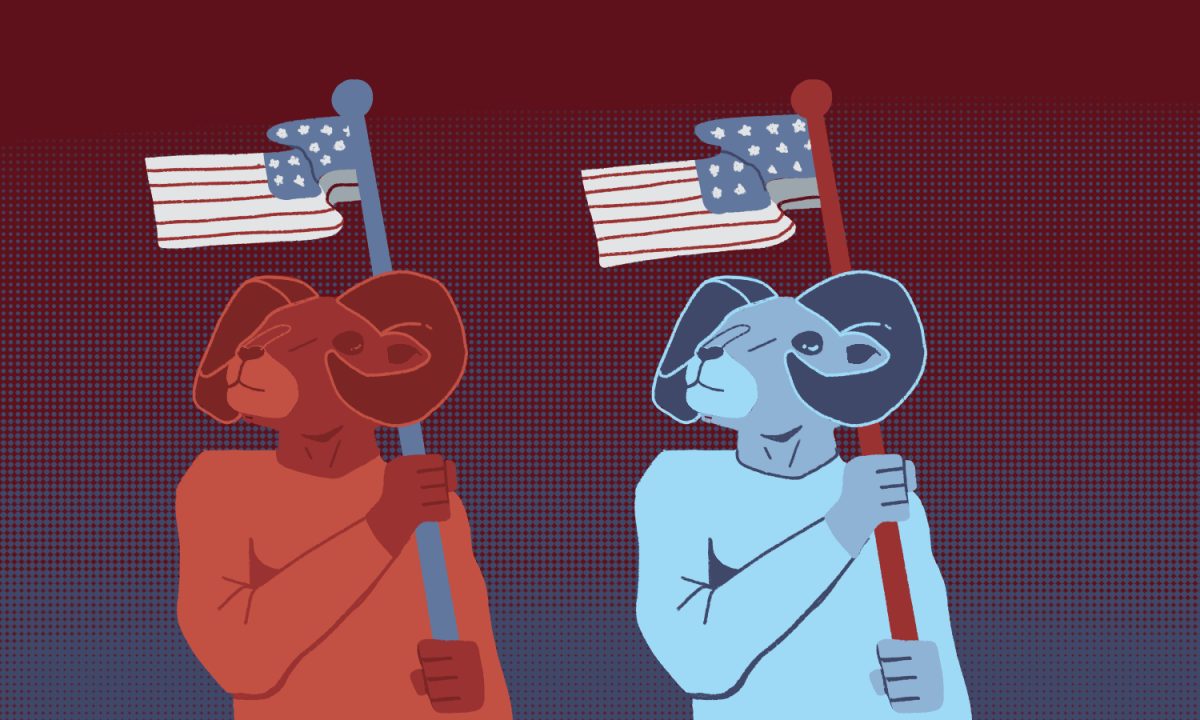
As we approach midterm elections this year, I encourage every Ram to remind themselves that democracy has a place for them and to not let political disillusionment convince themselves otherwise. Don’t let it keep you from voting, discourage you from engaging in conversations around the issues that matter or blind you from the real challenges and experiences of those around you.
Our community is worth showing up for, and our future will be shaped by those who choose to do so.
Reach Claire VanDeventer at letters@collegian.com or on social media @RMCollegian.