As Colorado’s budget season comes to an end, students and faculty at Colorado State University can expect changes that will shape their experience both on campus and beyond for the coming years.
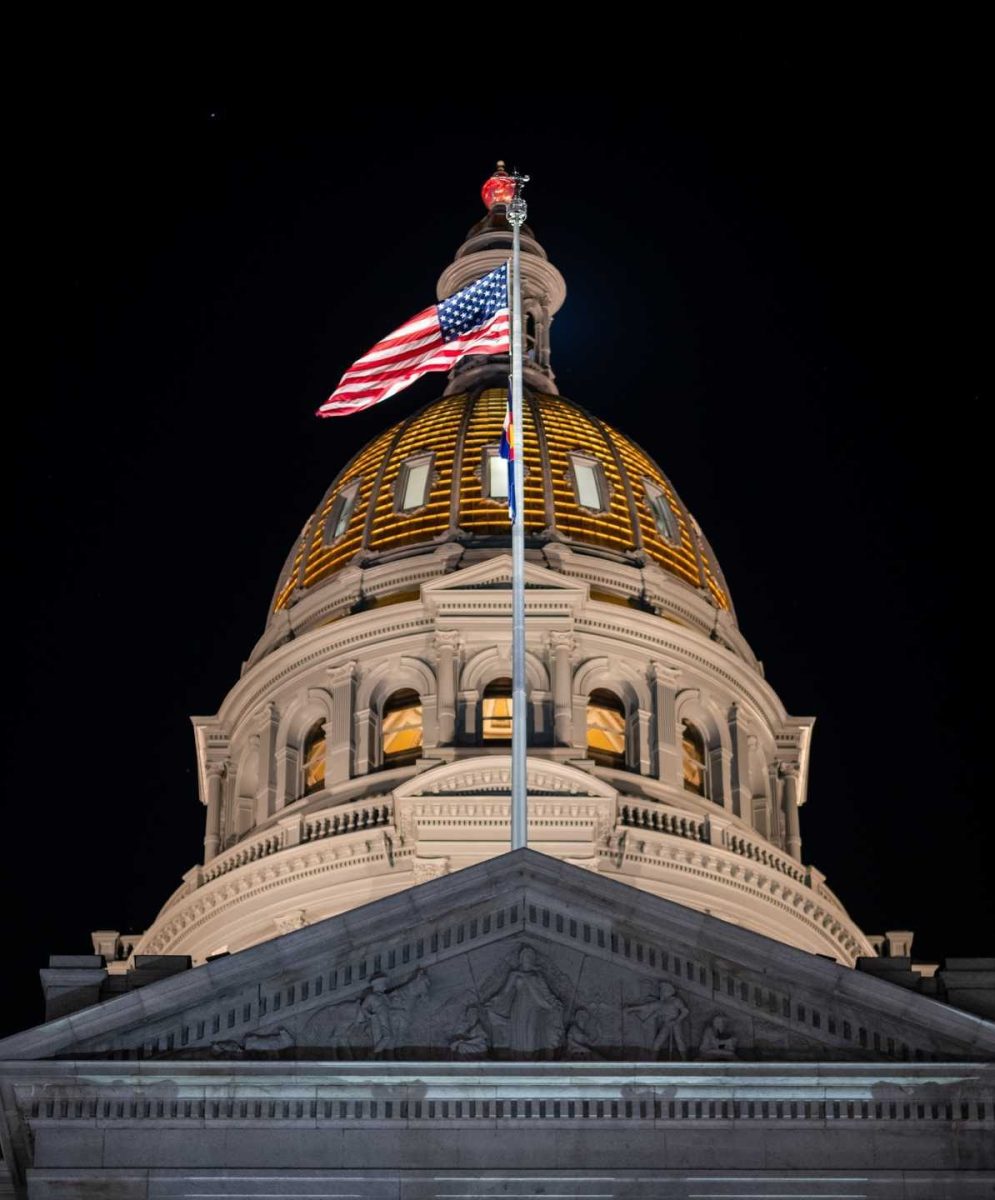
This year, lawmakers on the Joint Budget Committee in the Colorado Legislature, who are tasked with drafting the state’s annual budget, were faced with a $1.5 billion budget deficit, forcing them to make tough tradeoffs regarding funding for many state programs and services. Their decisions were then drafted into the state budget, or the “Long Bill.”
There is no single reason for the shortfall. However, Colorado currently faces a tough reality: The state is struggling to bring in revenue while still paying for services that residents rely on.
The fiscal restraints in Colorado’s Taxpayer’s Bill of Rights are one part, as the amendment limits how much money the state can keep from tax revenues. Legislators also attribute the shortfall to a slowing economy and the corporate tax cuts created by President Donald Trump’s Administration’s “One Big Beautiful Bill,” which has prompted significant state revenue shortages. The ballooning costs of certain social service programs like Cover All Coloradans have also put the state in a difficult financial position.
Significant reductions were made to Medicaid, as well as dozens of other social services and state departments. As for higher education, the JBC ultimately proposed to allow most colleges and universities to increase tuition rates by 3.5% for in-state students and by 5% for out-of-state students and for community colleges.
Colorado Sen. Jeff Bridges, who serves on the JBC, provided a statement to The Collegian regarding the changes made to higher education.
“Trump’s cuts and TABOR’s cap are crushing Colorado,” Sen. Bridges’ statement read. “We had to make major cuts this year. While higher education continues to climb out of reach for Colorado students, I fought — and won — to keep tuition increases for Coloradans below the 4% increase that some institutions of higher education had proposed.”
At the same time, the committee recommended flat funding for higher education. In an update regarding the university’s budget and next steps, CSU President Amy Parsons addressed CSU’s financial future.
“While this outcome is better than we initially anticipated, a flat budget that does not keep pace with mandatory cost increases still represents a real reduction in resources,” Parsons’ statement read.
In response, Parsons announced that the university is moving forward with a budget that protects student-facing programs, increases financial aid opportunities, offers merit-based salary increases for faculty and members of the administration and more. Simultaneously, the university will also be undergoing significant reductions, including layoffs, budget cuts and position reductions that will total approximately $54 million in spending cuts.
As a result, each college will be subject to a percentage reduction of its budget, the specifics of which were presented at an open budget town hall April 13 by Vice President for University Operations and Chief Financial Officer Brendan Hanlon:
College of Agricultural Sciences (5%)
College of Business (4-5%)
Walter Scott Jr. College of Engineering (4-5%)
College of Natural Resources (6-7%)
College of Health & Human Sciences (4-5%)
College of Veterinary Medicine (8%)
College of Liberal Arts (5-6%)
College of Natural Sciences (4-5%)
Robert Duffy, a professor of American politics and public policy at CSU, said the cuts would most likely impact students’ flexibility when it comes to registration and class schedules.
“In the short term, depending on your department and how much demand there is for your classes, it means maybe you offer fewer classes,” Duffy said. “There might be limited flexibility for students. You might find it harder to register for things that you need at the times you need them.”
Duffy said the changes could also intensify competition among public universities for the pool of out-of-state students, putting more pressure on tuition costs and raising concerns about long-term affordability.
“In terms of higher ed, there’s always a concern about affordability when tuition costs come up,” Duffy said. “This university and probably most public institutions in the U.S. are trying to get people from out of state to come because you can charge them more. But at some point, how does that work? If everybody’s doing the same thing and you’re all competing for the same share of students, how do you do the math on that?”
While the JBC recommended a 3.5% increase for in-state and a 5% increase for out-of-state students, the exact increase in tuition and CSU’s total budget will be finalized at the upcoming Board of Governors meeting May 7-8.
Jelicity Luna, the Associated Students of CSU director of governmental affairs, said that her and ASCSU’s lobbyists have been discussing how to get the best possible outcome for students at the upcoming meeting, which has been a topic of interest on the Legislative Strategic Advisory Board.
“The thing we’re trying to do in LSAB is (to) discuss what we’d like to advocate for at the Board of Governors’ meeting coming up,” Luna said. “I don’t want more than a 1% discrepancy between in-state and out-of-state. Personally, I don’t see a reason for it.”
Luna also acknowledged the complexity of the process and how it can often push students out of these conversations. Alternatively, Luna encouraged students to learn more about the process to understand how these decisions are made.
“Government is unnecessarily complicated for the constituents they serve,” Luna said. “I want students to understand that they have a place in these processes and in understanding them, even if it’s not directly impactful. It’s also us showing our voice and showing who we are (and that) we’re not to be silenced.”
Reach Claire VanDeventer at news@collegian.com or on social media @RMCollegian.