

As the Iran war reaches its fourth week, students and faculty of Colorado State University shared their perspectives on the impacts of the conflict on the CSU community.
Military operations began Feb. 28 after the United States and Israel launched strikes on Iran in an alleged attempt to topple the current Iranian government. Retaliatory attacks by Iran on U.S. and Israel military bases located in the Middle East followed, increasing tension between both sides.
While direct effects of the conflict are being felt throughout the Middle East, the impacts are reaching communities worldwide.
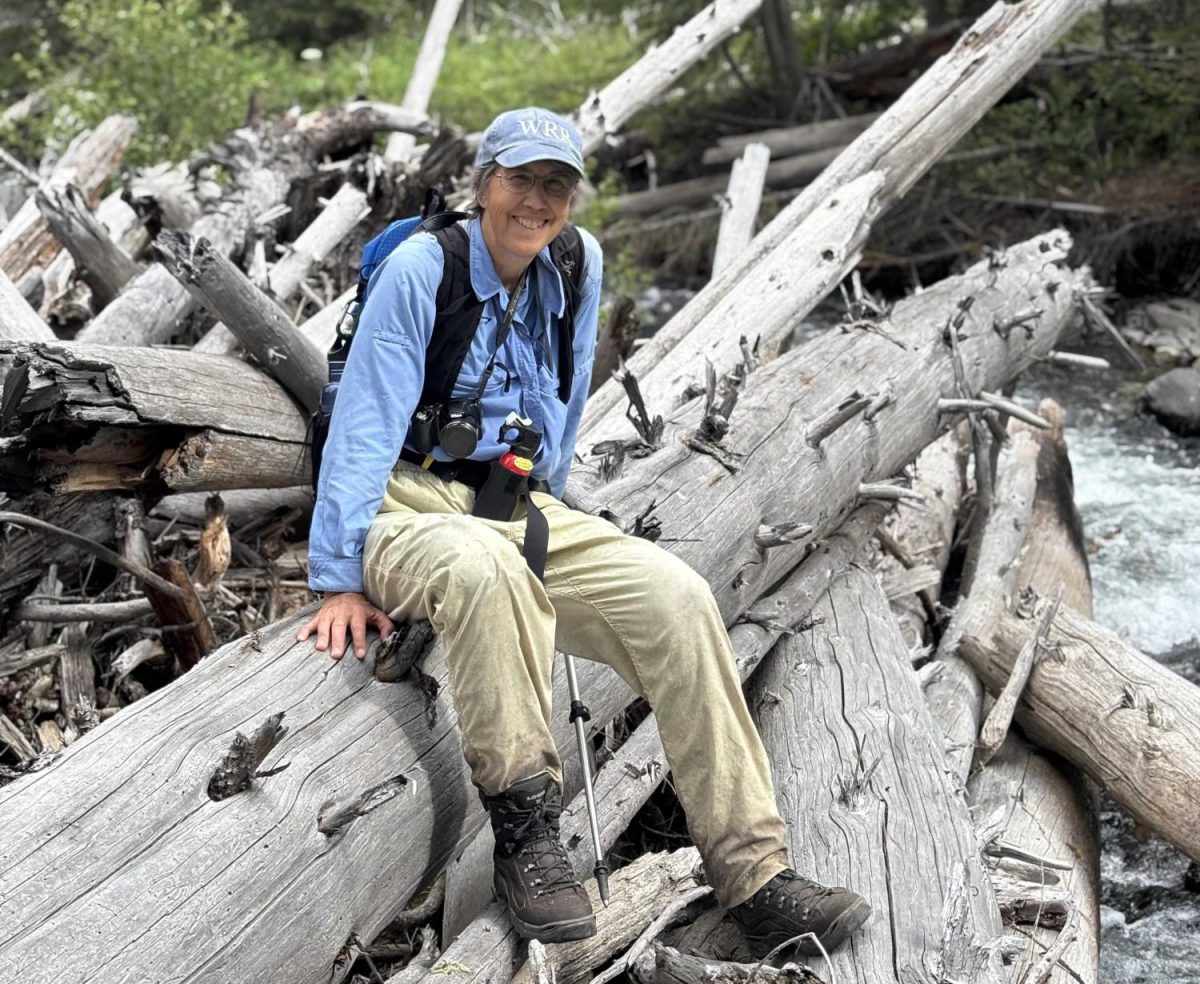
“There are lots of concerns, obviously the issues with oil (and concerns) with regards to the possibility of Iran engaging in acts of terrorism and other forms of asymmetric warfare as a way to respond to the United States,” said Eric Fattor, an assistant teaching professor of political science at CSU.
Amid attacks, Iran has blocked the Strait of Hormuz, one of the busiest oil shipping channels in the world. The blockage of this channel greatly impacts global energy trade and other trade products.
“Well, obviously gas prices have gone up, and the prices of other things as well,” Fattor said. “Not just prices, but things like fertilizer may be short (in supply), and that is going to impact farmers and ranchers in this area.”
The Persian Gulf holds the world’s largest natural gas reserve, a vital source of nitrogen for agricultural production. With the Strait of Hormuz closed, fertilizer supply will likely not reach the U.S. at its normal time. Fort Collins is home to a significant agricultural area that is likely to feel the impacts of this closure as planting season arrives.
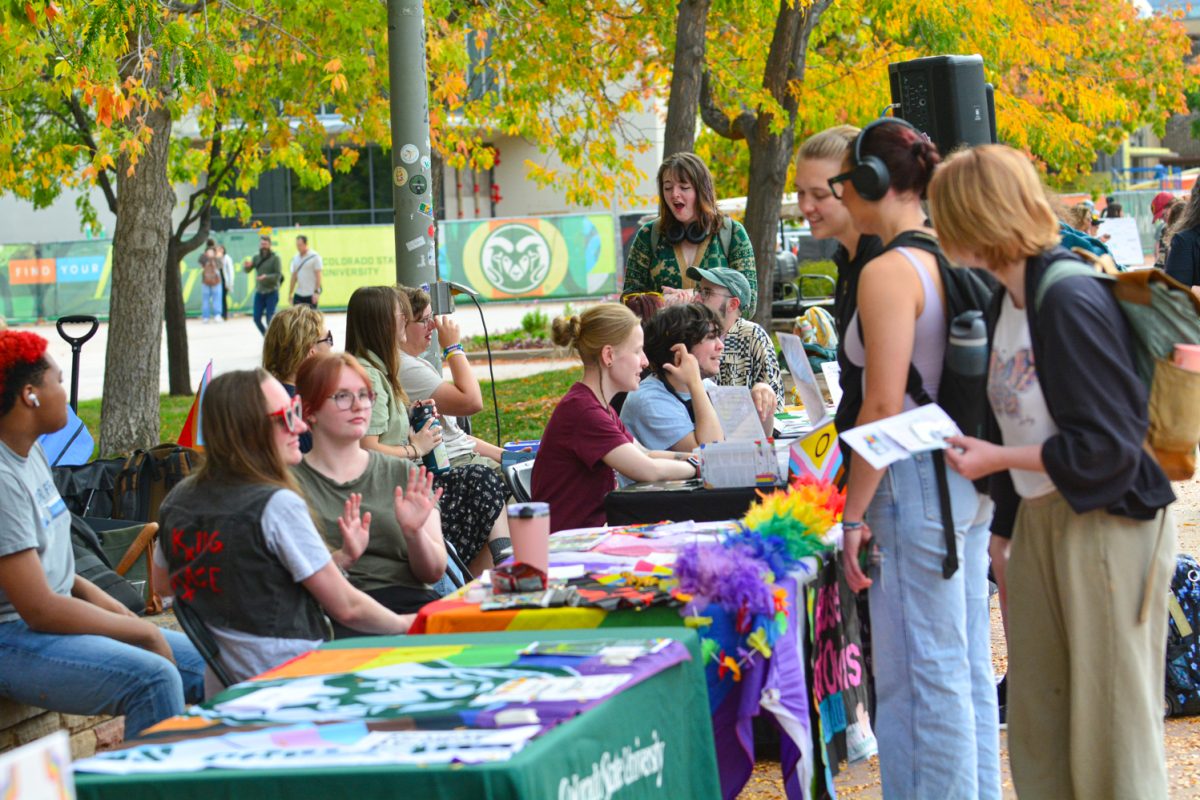
Perspectives on the conflict vary widely within communities and organizations. Ant Albrecht, a student activist and co-chair of the Young Democratic Socialists at Colorado State University, described how the war is viewed through a socialist lens.
“As socialists, as people that have an understanding of the world through materialism, we recognize that this is sort of an expansion of imperialism, which is a form of capitalism into these areas,” Albrecht said.
The U.S. has attempted liberation operations in the Middle East through military intervention a number of times in the past. The attacks in Iran were, as claimed by President Donald Trump and Israeli Prime Minister Benjamin Netanyahu, a necessary elimination of Iranian nuclear and military threats and vital for a regime change.
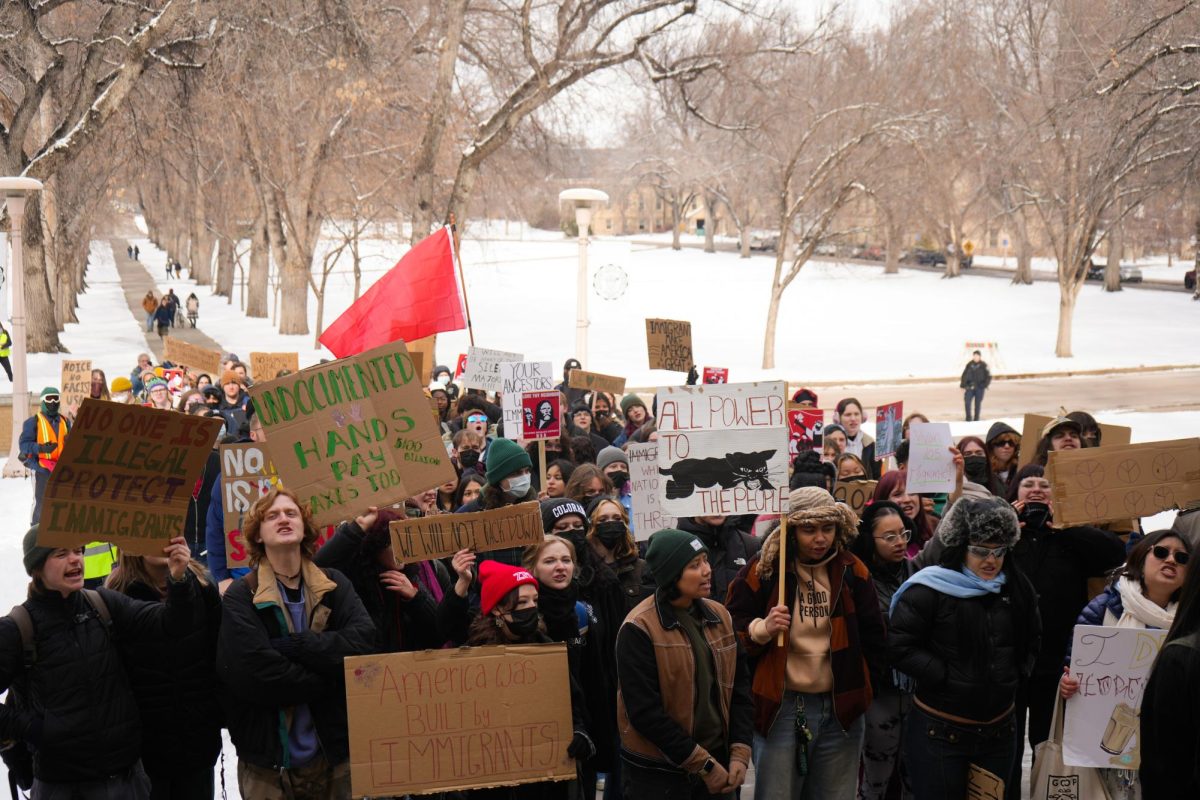
The conflict is thousands of miles away, but many CSU students are questioning the White House’s decision to engage in combat and expressing frustrations and concerns with the implications of the war, especially on those living in the Middle East.
“In no way, shape or form are they necessary,” said a student who wished to remain anonymous. “No matter how much money (is involved) or whatever our political ties are, this is a very unnecessary war.”
Another student who wished to remain anonymous drew attention to the diversity among the CSU population, stating that the campus is home to many who may be feeling the stresses of war because of family and friends who are being directly impacted.
“This is a very multiracial, sort of cosmopolitan campus,” the student said. “A lot of people have friends that are being affected or even dying in this war, or are just generally feeling the weight of all the people who are dying in both the Israel-Palestine and U.S.-Iran wars.”
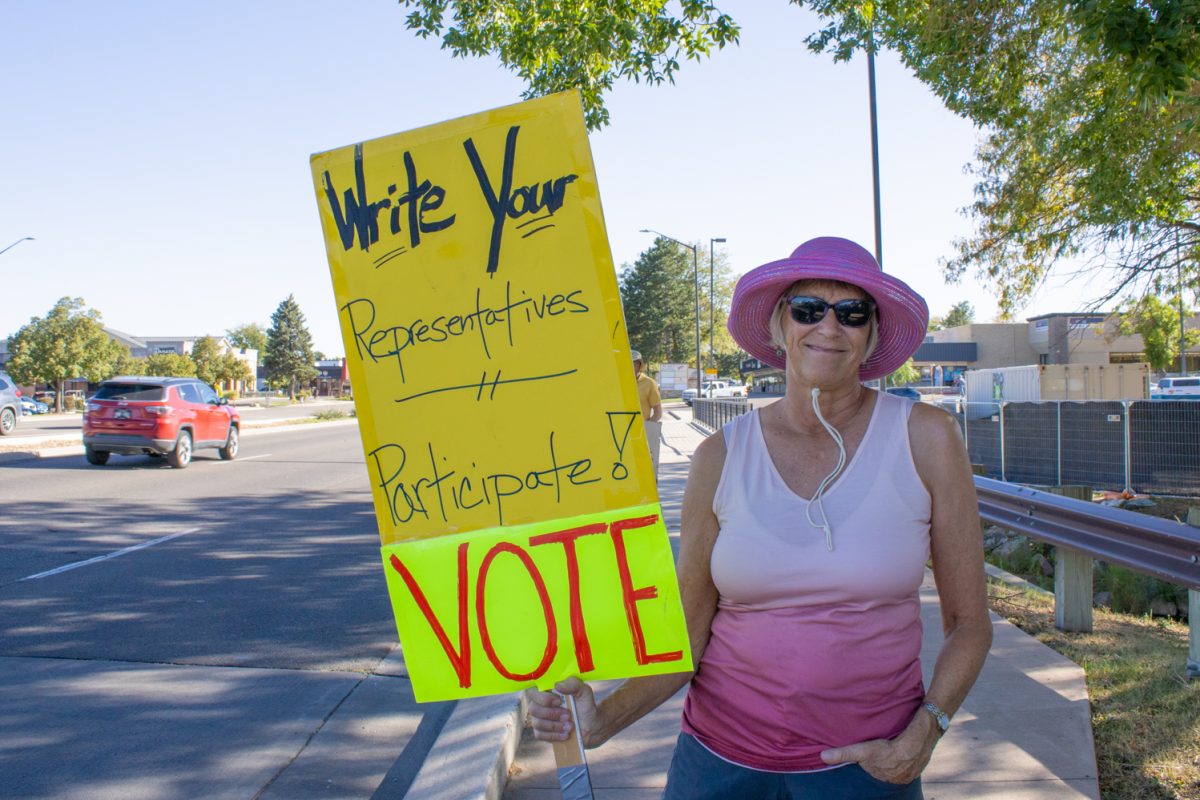
The student also stressed the importance of citizens using their voices to prevent further violence and stop the United States from supporting overseas military conflict.
“I would say that we need to keep pushing our representatives and leveraging our power as consumers to try and block continued U.S. support for overseas wars,” the student said.
With most of the conflict taking place overseas, a disconnect may form among communities in America. In one student’s opinion, the general CSU population lacks knowledge of specific details surrounding military action in the Middle East and needs to become more informed and gain a better understanding of the politics involved.
For some students, the focus is on the loss of life and the long-term effects of what feels like a needless war.
“We are killing people that don’t need to die, and it’s just kind of ridiculous,” Albrecht said. “It’s taking a bunch of our resources to just enact destruction that is making the world a worse place.”
Reach Samantha Whitted at news@collegian.com or on social media @RMCollegian.