
Editor’s Note: All opinion section content reflects the views of the individual author only and does not represent a stance taken by The Collegian or its editorial board.
It is no secret that many think generative AI is destroying the world. The overwhelming water consumption, the multi-dozen data centers, the corruption of human arts and the dumbification of human recall and thinking — the list goes on and on.
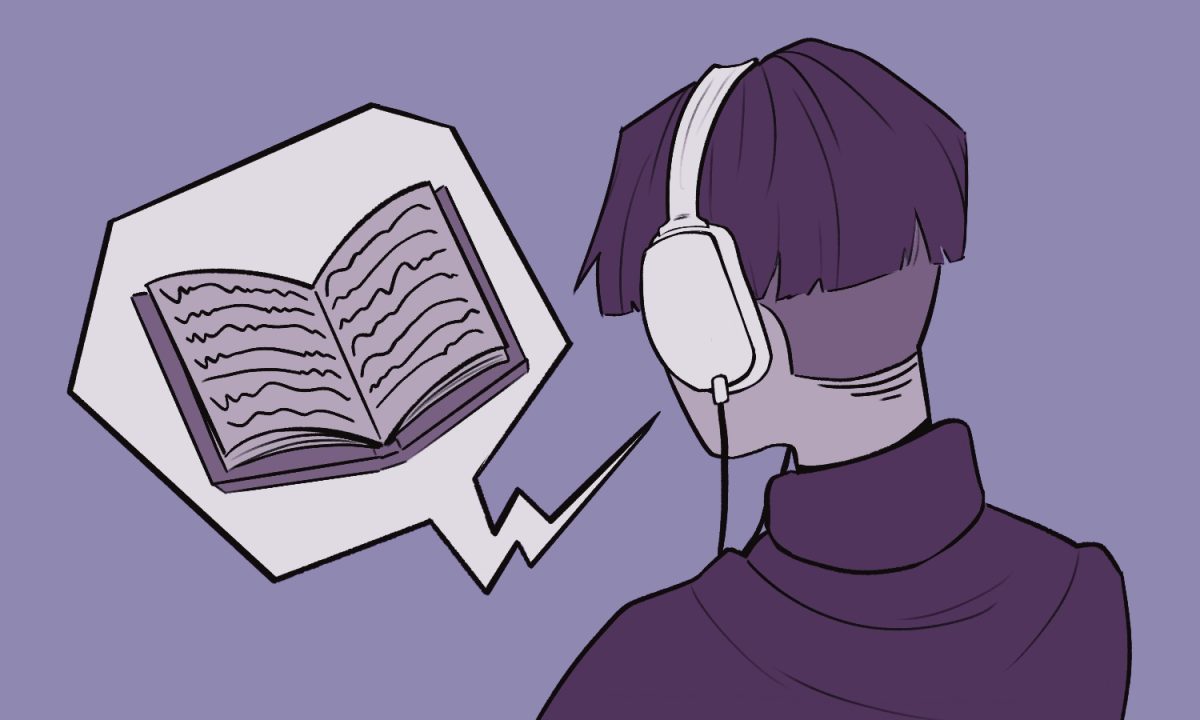
One of the more common products in this rise of technology has been AI chatbots, such as programs like ChatGPT or AI-integrated role-playing websites. These are created for people to log on and hold a sustained conversation for hours on end, never once interacting with another human being. The most basic unifier of these users is their attempt to recreate human connection, and in some of the more severe cases, form a “genuine” bond or romantic intention.
With the antihuman nature of these chatbots and the often-gluttonous indulgences of these dialogues, a new AI-fueled narcissism is burrowing into and exploiting our consciousnesses.
A user-facing large language model — henceforth referred to as conversational AI — pulls from its databases using natural language processing to gain insight on the complexities of human dialect, current affairs and any other possible information that was obtained with the intent to further the topic of discussion.
Conversational AI can be seen on almost every consumer-based website in the form of on-screen “AI helpers.” Most relevant to this conversation, however, is the conversational AI that have their own separate website — an individualized space that often holds within it a massive chat log and database to remember current and existing conversations.
The correlation between these chatbots and the narcissistic traits they prey upon is found in the very construction of their code. AI is known to be a pathological liar. It again and again creates fake statistics, false scenarios and delusional hypotheticals, all with the hidden intent to agree with the user. After all, every single AI is a product, something that has been designed at each step to optimize and perfect its prescribed consumer experience.
One thing humans hate most is being told they are wrong. All it takes is working one customer service shift to see this.
Everyone has an innate desire to be appreciated, respected and told what they know is correct and without error. Unlike people, who have the rational skills to determine when someone is potentially leading themselves off a cliff, conversational AI only executes what it has been optimized for, sacrificing logic and reason along the way.
It is an addiction — a constant yes-man with no need for sleep, food, away time or any reason to disagree with you. The user can shape their own personal enabler however they please, all with a simple “Do this,” “Say this” or “Try again.”
Something that is designed to never go against you is bound to become you. The user can input any characteristics, knowledge, personality and even tone to the AI; it can become a perfect copy for a dream friend, best-case-scenario partner or most agreeable coworker you will ever meet. Whatever keeps the user enticed and coming back for more is what it becomes.
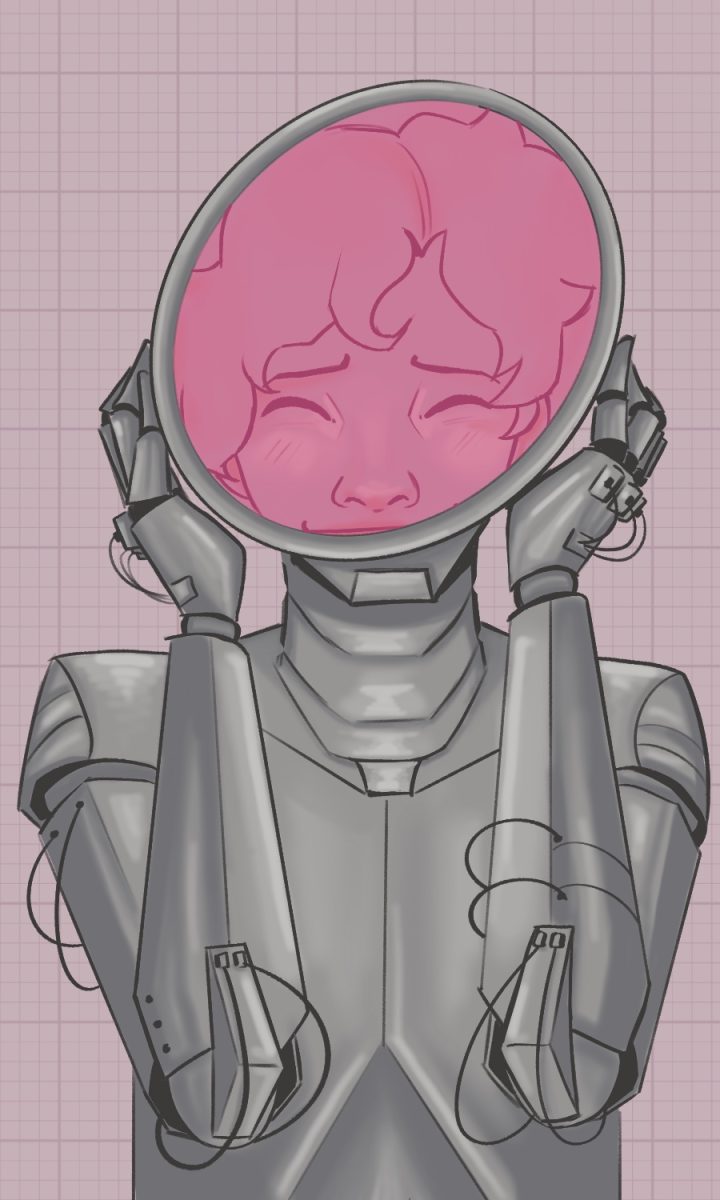
This is narcissism at its very root. AI is the pool of Narcissus, reflecting back a simulacrum of reality so addicting and affirming it entrances the brain. It has replaced a need for critique, with every thought becoming profound and every idea becoming innovative.
But people cannot blame themselves entirely for falling into this illusion. The human instinct to personify has been weaponized by the AI industry. Conversational AI would be powerless if people couldn’t see past the screen and wires. Humans have a way to craft a being out of nothingness — imagining a face on the front of the car, for example. These chatbots use this to create empathy and foster false bonds and memories. AI gives the user clay and cheers the user on while they mold the face.
If you’re not paying for the product, you are the product. Tech companies have been running with this notion for years now, getting people dependent, addicted, narcissistic and even driven toward psychosis. They weaponize our need to feel smart and have another being tell us we are right.
Unfortunately, that has come at the cost of being told the truth. More than ever, people are living in false, constructed realities. It can be argued in circles how technology and social media fostered this, but unfortunately, that’s in the past. We have all been established products of technology; our minds and psyches are built around instant dopamine and an always-available overload of information. We are too far gone to change that.
Conversational AI is something we can change. It is still evolving; it is something new in all cultures and workplaces. I urge readers to be smart and search tirelessly for challenge and confrontation. Being told no is the best thing a person can experience; it offers truth and growth as well as the molding of a multifaceted personality. Don’t be narcissistic, don’t grow lazy and don’t become their product.
Reach Alli Adams at letters@collegian.com or on social media @RMCollegian.