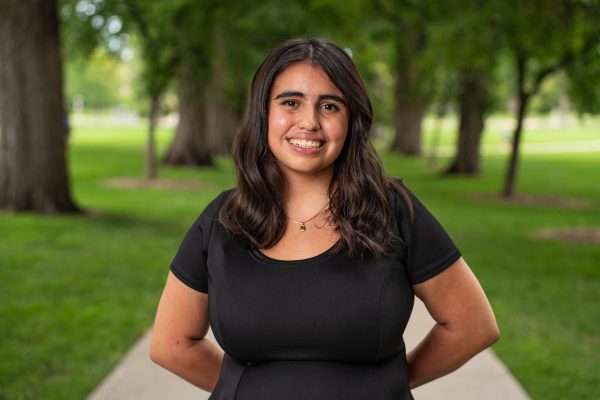

From the Associated Students of Colorado State University’s department of governmental affairs, the Legislative Strategic Advisory Board provides students in and outside of ASCSU the opportunity to engage with legislation going through the Colorado General Assembly. The board, chaired by Director of Governmental Affairs Jelicity Luna, reads a variety of proposals to decide if the board wants legislation to be passed or not. Based on what is decided, contracted lobbyists represent the board’s decision at the state capitol.
At the start of each semester, LSAB members identify policy areas to focus on. Currently, the board is focusing on higher education, immigration and diversity advocacy, including women’s rights, sustainability and affordability. The board encompasses a variety of voting members, such as student body president and speaker of the senate, executive and legislative appointees and up to four at-large representatives, according to Sec 703 of the ASCSU Constitution.
“LSAB isn’t just a board of about 10 members; it’s a board that represents the 30,000 plus students who attend Colorado State University,” member Erik Konicke said.
The group is currently reviewing various legislation, including Colorado State Sen. Cathy Kipp’s bill that requires CSU to follow the City of Fort Collins’ ordinances relating to noise and sign regulations. Kipp’s bill has been a big focus for the board, Luna said.
“A lot of stuff, you read it and it sounds good on paper. Then when you actually get into LSAB and when we are actually breaking down these things, there’s a lot of implications and a lot of potential outcomes from the policy that, if it were passed, would be potentially problematic or create scenarios that we don’t really want for our students.” -Sean Lancey, ASCSU deputy director of policy initiatives
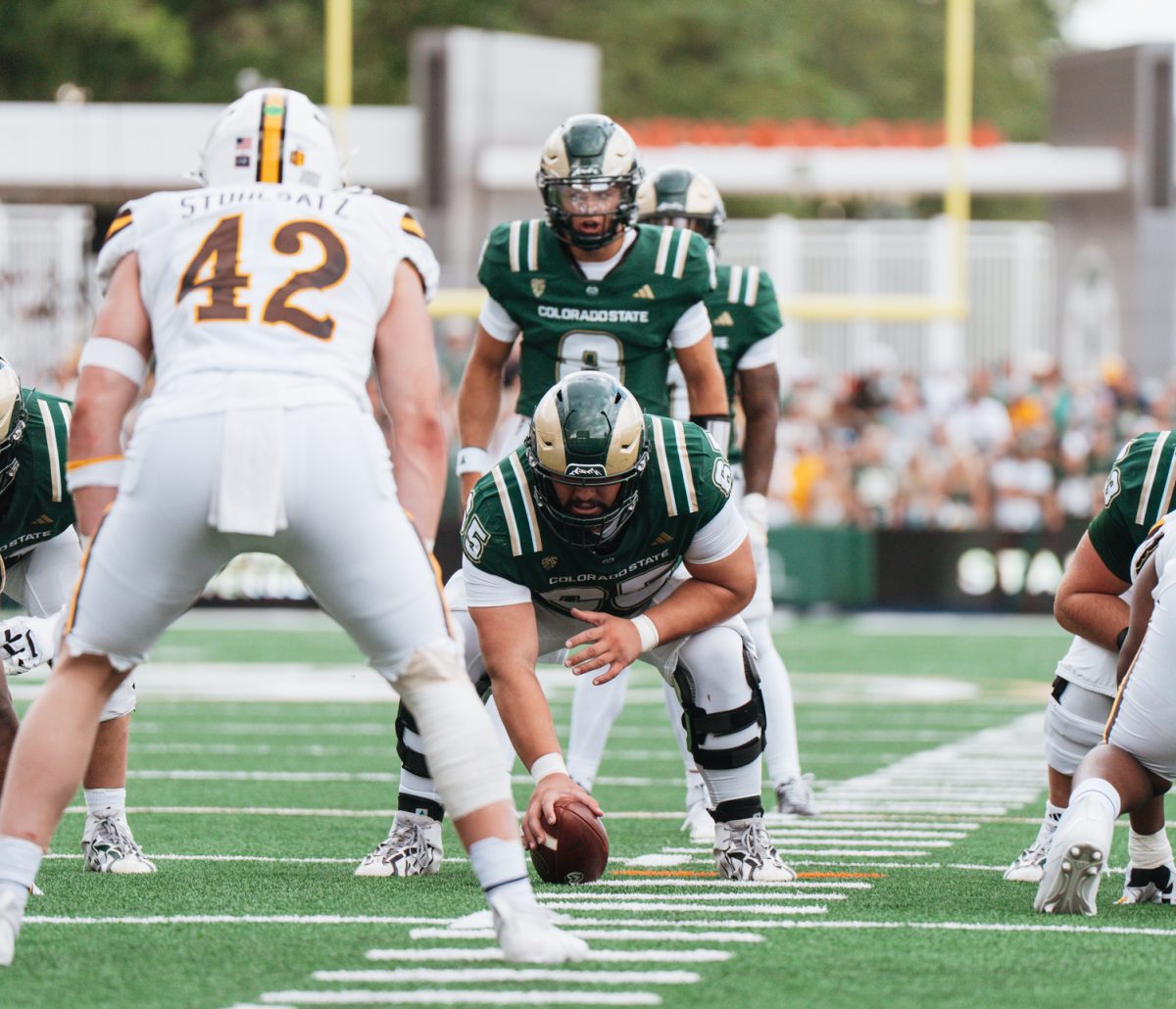
The bill was introduced in light of complaints about CSU’s electronic billboards and noise complaints from large campus events like football games. Because CSU resides on state-owned land, it is not required to follow Fort Collins’ sign and noise ordinances. If passed, CSU would have to follow these ordinances if noise and the use of signs affect areas beyond campus perimeters.
Billboard development is currently on pause as the bill is considered by senate committees.
The group also welcomes entities from CSU like the President’s Sustainability Commission, who spoke to the board Feb. 19. Any member of LSAB can make legislation suggestions. Once legislation is suggested to Luna, she sends it to Sean Lancey, deputy director of policy initiatives. Lancey then summarizes the legislation and explains its technicalities during board meetings.
“A lot of stuff, you read it and it sounds good on paper,” Lancey said. “Then when you actually get into LSAB and when we are actually breaking down these things, there’s a lot of implications and a lot of potential outcomes from the policy that, if it were passed, would be potentially problematic or create scenarios that we don’t really want for our students.”
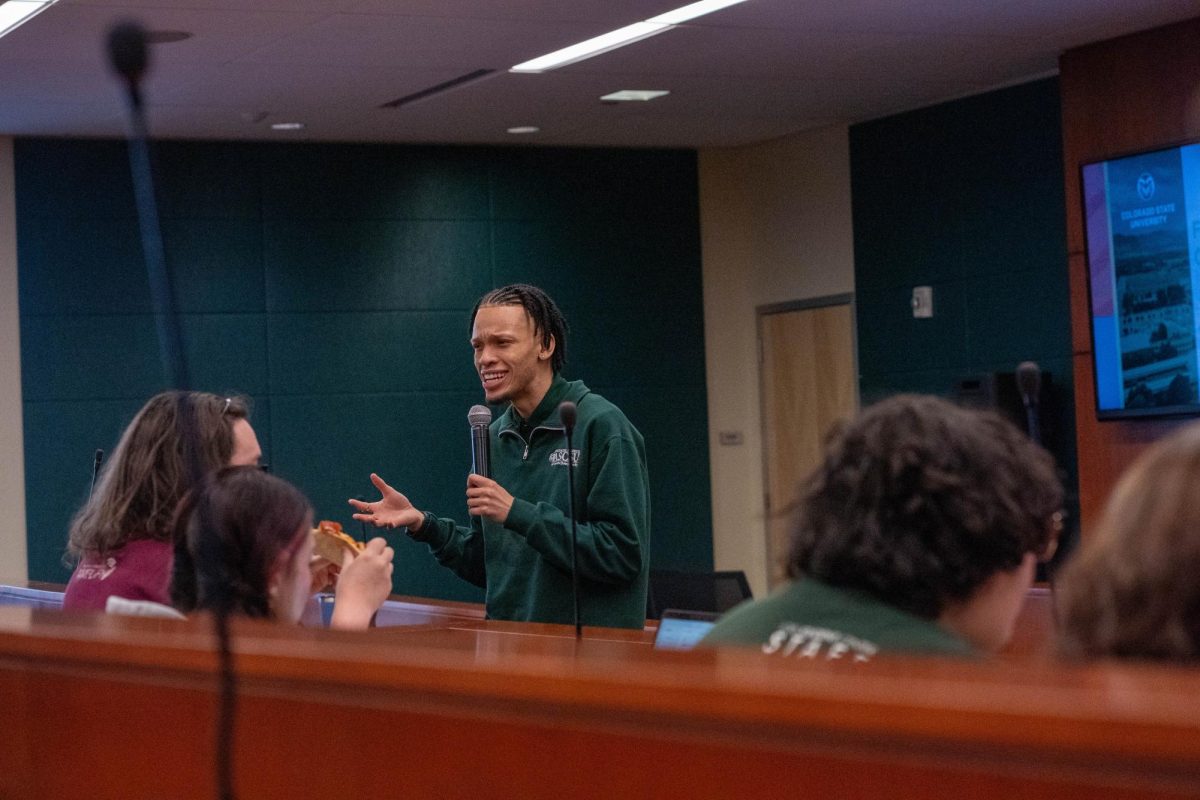
Luna often invites guest speakers, like Kipp, to board meetings. The board then engages in dialogue about legislation, and voting members may indicate how they want to move forward with the legislation if enough members are present. All board members have the power to vote except Luna and Lancey.
Since members of LSAB are supposed to represent the student body, preventing bias within the board’s work is a priority.
“We’re not here to push … personal thoughts or anything; we’re here to represent the students,” Luna said. “I don’t anticipate that’s ever going to happen just based off of how I know my board members to behave, … but if it does I’m shutting that down.”
The ability to push aside one’s personal biases was stressed in interviews for at-large candidates. During meetings, Lancey, who is a nonvoting member, works to combat bias in discussions.
“I notice the conversation or the attitude towards a bill seems to be unanimous, like everyone on the board is kind of agreeing that either this is a good bill or it’s a bad bill,” Lancey said. “I’ll try and be like a dissenting opinion sometimes.”
Board members like ASCSU President Jakye Nunley emphasized the importance of interacting with the student body.
“I’m of the belief that you should already be talking in a constant community with your peers,” Nunley said. “If you don’t know what your peers are thinking, if you’re not finding creative ways to keep up with your peers, you’re not doing your job.”
Konicke said the board is involved in various student organizations, allowing them to be represented throughout the board’s work.
“We are very involved in all aspects of campus, and if anyone ever has any concerns about policy in the state of Colorado or at CSU, they are more than welcome to come up to anyone and have their voices heard,” Konicke said.
LSAB meetings happen from 6-7 p.m. on Thursdays and are open to the public.
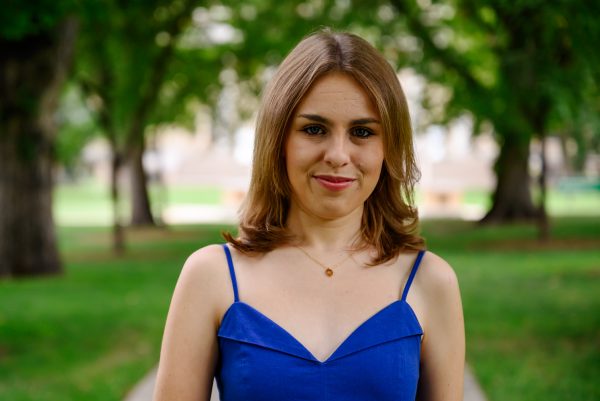
Reach Chloe Rios at news@collegian.com or on social media @RMCollegian.