
Editor’s Note: All opinion section content reflects the views of the individual author only and does not represent a stance taken by The Collegian or its editorial board.
Romance books have taken off in the last five years, especially the contemporary romance genre. With the help of “BookTok,” TikTok’s reading community, many authors have quickly risen to stardom for their books, and one of the most famous of these authors is Colleen Hoover.
Hoover’s romance and thriller books have thrown her into the spotlight and resulted in four movie deals. But frankly, she does not deserve her fame.
The least offensive claim I have against Hoover is that she’s just a bad writer. She cannot write people with normal names or normal behavior to save her life. Her characters lack depth; you can not have a florist named Lily Blossom Bloom. You just can’t do that. It sounds stupid and lazy.
Her most notoriously criticized line is from “Ugly Love,” wherein she wrote: “We both laugh at our son’s big balls.”
Spoiler alert: Two of the three characters in this scene die immediately after this line is said. No one talks like this, but to kill off two of your characters immediately after? It is not cute, and it is not funny — it is just bad writing.
“The words on the page may not be real, but the impacts they leave are.”
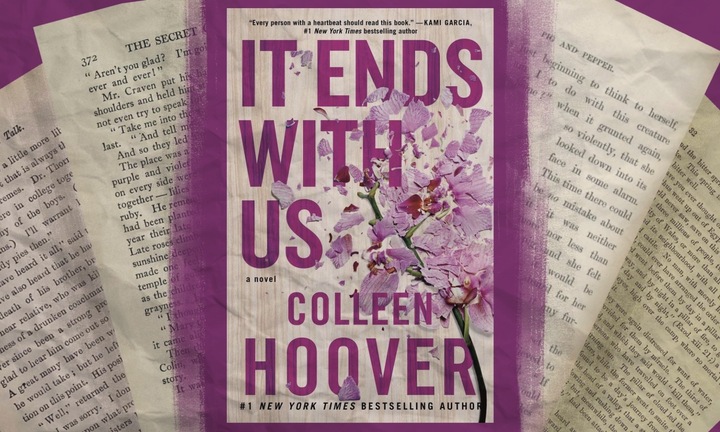
Once you get past her writing, however, you quickly see how many of Hoover’s stories glamorize abuse and abusive relationships. She does not give the topic the weight it deserves, which is shown in the “It Ends With Us” promotion. Hoover, along with the star of the film, Blake Lively, promoted the movie as a feel-good romance story with fun florals to watch with your gal-pals.
What was not emphasized in these promotions was the movie’s main plot point: the abuse the main character faces. This abuse is not taken seriously in the novel — the main character allows her young child around her abuser after leaving the relationship — and that unserious manner translates into the movie and the marketing of it, leaving viewers shocked.
It is easy to dismiss the actions that take place in her books as fictional events happening to fictional people, but abuse is real. When Hoover’s primary audience, teenage girls and young women, read these books and see depictions of romanticized abuse, it could make them unlikely to leave a dangerous relationship because they think it is “hot” or “sexy.” The words on the page may not be real, but the impacts they leave are. Colleen Hoover writes stories that perpetuate dangerous cycles of abuse.
She also has issues with writing trauma-porn. In her book “November 9,” the main love interest set the main character’s house on fire, which gave her major burns. Her toxic love interest obsesses over the burn scars in a creepy way. When it’s revealed that he set the house on fire but only intended to set a car on fire, the book ends happily ever after. Not only is this bad writing, but it’s a toxic, dangerous idea.
Her ideas are not surprising when looking at her personal life. Allegedly in 2022, a minor reached out to the author via social media, looking for support because she had been sexually harassed by Hoover’s then-21-year-old son, Levi Hoover. Colleen Hoover’s alleged response was to block the girl. It is no surprise that Hoover does not take the trauma in her books seriously if she does not take it seriously in real life.
There are far better and less dangerous stories out there that are more worthy of your time and money. Colleen Hoover promotes harmful ideas in her stories, defends abuse in her real life and is just a bad writer.
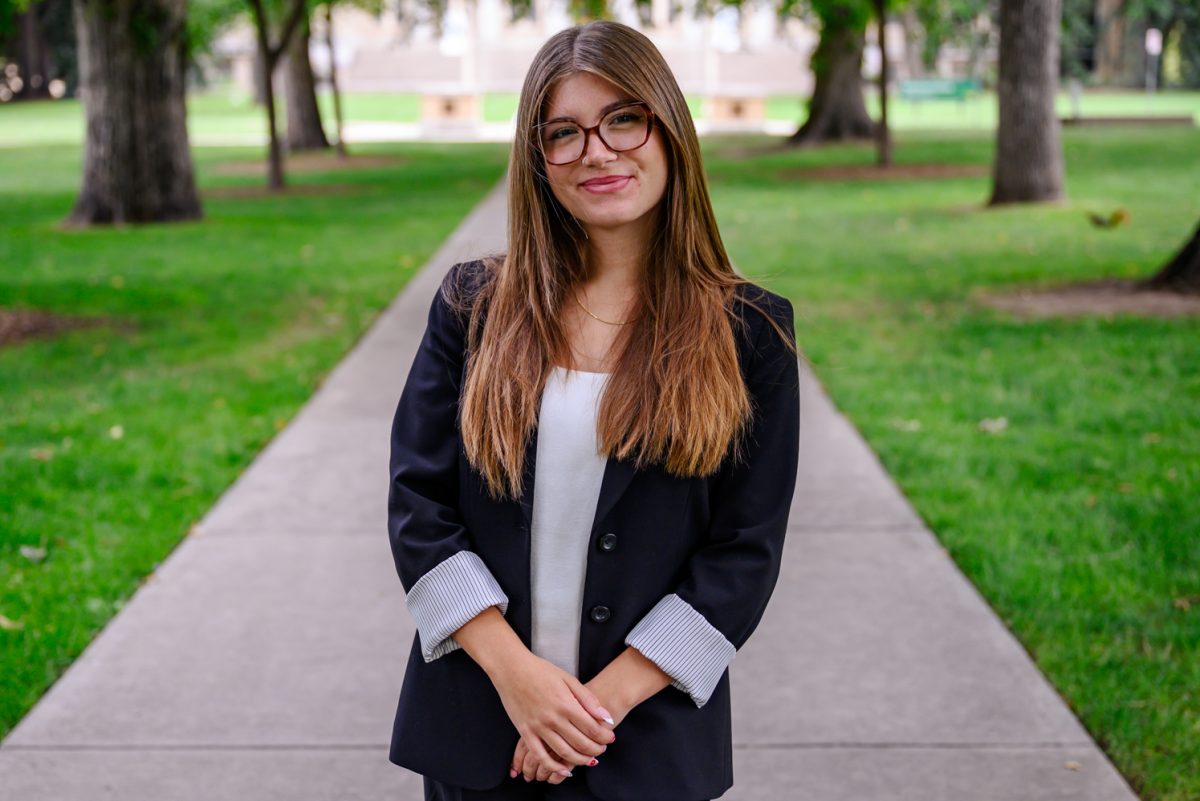
Reach Audrey Weishaar at letters@collegian.com or on social media @RMCollegian.