

Self-improvement usually starts with one concrete problem, such as needing better concentration during task assignments or a practical method for building a new skill. Each goal depends on a different type of support, so a useful global rankings for self improvement apps listicle needs to separate these use cases.
For this ranking, we looked at current product functions, access conditions, pricing structure, and platform availability. We also checked where each tool fits in practice, based on the specific task it supports. While many people turn to the best books for self improvement when they want big conceptual changes, others prefer structured digital sessions that build skills in small daily increments. Therefore, the list below breaks down how the top options perform in practice.
1. Headway App: Read Self-Improvement Book Insights Within Structured Summaries
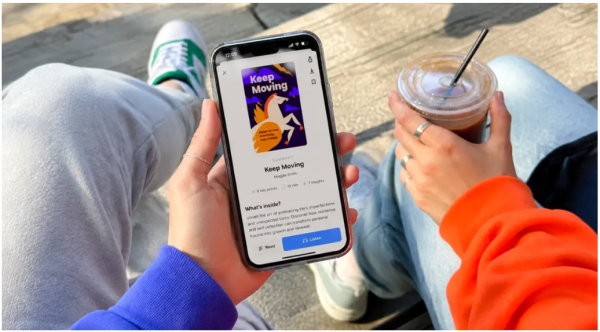
Headway is a book summary and microlearning application built around nonfiction titles. Its current App Store listing shows over 117,000 ratings, a high score, and an Apple Editors’ Choice badge. The platform hosts a library of more than 1,700 book summaries engineered to take under 15 minutes per session.
The app takes the top spot because of how broadly it applies to personal growth goals. A user facing productivity hurdles can read one framework today, then switch to communication or leadership strategies. The format gives direct access to major concepts without requiring someone to finish a 300-page volume first.
Imagine hearing a podcast host reference a massive productivity book. You can open a summary and decide if the full text deserves space on your bookshelf. When checking Deepstash reviews to see how readers evaluate short-form knowledge formats, users often emphasize the value of having key takeaways available right when a project starts:
- Text summaries fit short reading sessions during daily breaks
- Audio versions allow hands-free listening while commuting
- Key ideas can be saved to personal digital collections for later review
- The library spans leadership, productivity, psychology, and personal finance
2. Nibble: Learn One General-Knowledge Topic at a Time
Nibble approaches personal growth through interactive micro-lessons and quick knowledge checks. Its official App Store entry reflects more than 46,000 ratings and a high score. The app focuses on 10-minute sessions that walk users through subjects like history, math, philosophy, STEM, art, and more.
Nibble starts with foundational subjects. Someone curious about basic economic principles or world history opens a single module before work, steps through interactive visual slides, and completes a short quiz to solidify the concept. It sits high among the best self-improvement apps right now because it targets users who define self-improvement as broadening their understanding of the world:
- The interactive format keeps learning active
- You can select a subject and step through the concepts
- End the session with a quiz or clear takeaway you can use in conversation
3. Impulse: Use Short Brain Games During Spare Minutes
Impulse provides mobile brain-training exercises designed around memory, attention, mental arithmetic, and logical problem-solving. Its App Store listing reports over 847,000 ratings with a solid average score and notes more than 100 million global downloads.
That massive user base lends it significant international weight, even if its scope is more specialized than that of broad learning apps. The experience fits into brief breaks throughout the day. You can open a single spatial puzzle while waiting for a meeting to start and finish the challenge in three minutes. The developer lists these interactive exercises as tools for daily mental stimulation. It gives your mind a structured task during small pockets of downtime.
4. Strava: Track an Active Routine
Strava has around 180 million users globally, and the company’s releases state that the service supports more than 50 sport types. This places Strava in a different part of self-improvement from learning software. It records completed activity, so you can inspect distance and training history after exercise.
The value comes from having evidence of what you completed over time. The user count also gives the platform a strong case for a global ranking. Strava added more than 100 product features, and that development continued.
5. Headspace: Follow a Guided Meditation Session
Headspace delivers guided mindfulness, meditation, and sleep support, with active availability across 190 countries. Its wide global availability makes it a core reference point for international comparisons in mental wellness.
It offers clear, structured exercises whenever you need to reset your attention. The user experience centers on specific, repeatable mindfulness sessions:
- You open the app and pick a five-minute breathing exercise to settle your focus
- You follow the voice prompts while the app provides a calm, guided environment
6. Forest: Keep Your Phone Closed During One Focus Session
Forest turns time management into a visual commitment game. Official platform data highlights over one million combined reviews across major app stores, with an average rating of 4.8, and more than two million real trees planted through its non-profit partnership with Trees for the Future.
The setup revolves around fixed work periods. You set a 30-minute timer to focus on deep writing or studying. A virtual tree begins to grow on screen, and leaving the app to check messages causes the tree to wither:
- Timed sessions set clear boundaries for work blocks
- App-blocking features limit phone distractions during active timers
- Session statistics show total focused hours across days and weeks
- Shared focus rooms let teams or study partners grow trees together
Many users look for alternatives to coach-like motivational apps that rely on endless pop-up reminders. Forest offers a visual anchor that encourages you to leave your phone untouched until the work timer finishes.
7. MyFitnessPal: Track What You Eat Across the Week
MyFitnessPal operates as a dedicated nutrition and food logging platform. Official company metrics show a user base exceeding 280 million people alongside 5.5 million five-star reviews globally.
Physical health tracking forms a distinct pillar of personal development. A user opens the app after breakfast, logs their meal via bar-code scan or search, checks their daily macro totals, and uses other solid features. The platform features a Progress Overview feature that compares multi-week nutrition data against your established health goals.
When evaluating top free vs paid self improvement apps in the health category, the distinction comes down to detail. Free accounts provide basic food logging and calorie counting, while the Premium tier unlocks detailed nutrient breakdowns and customized macro targets per meal. Seeing a full week of logged meals provides clear feedback on your physical habits.
8. Skillshare: Build a Finished Project
Skillshare is an online learning platform built around video classes and practical projects. You choose a class and then complete your own version of the assignment. The catalog focuses heavily on creative skills such as illustration, photography, writing, graphic design, and UX design. Productivity and business classes are also available.
Skillshare reports 30,000+ classes and 425,000+ current members on its main site. The current membership also includes features that affect how you can use a class after choosing it:
- Project Gallery lets you publish class work and receive feedback from teachers or other members
- Learning Paths combine related classes into a defined sequence for one skill area
- Certificates and badges record completed learning activity inside the platform
Choose the Self-Improvement App Around the Change You Can Measure
The right choice comes down to the specific output you want to track over the next month. If your priority is absorbing core concepts from books, short summaries give you a clear metric: one key insight or framework learned per session. Subject-based platforms offer completed lessons, nutrition logs give clear weekly data, focus tools track uninterrupted minutes, and daily journals log personal reflection patterns.
Understanding global rankings for self improvement apps helps align these tools with your actual routines. Consider paying for a premium version only after the free tier has proven it supports a habit you already maintain consistently. Pick one area of growth today, choose the single tool designed for that output, and review your progress after seven days of active use!