

Live Casino tables embrace the best of casino design while also allowing for complete freedom and creativity. Live Casino tables take all the elements from the traditional Casino experience and transfer them into the online environment. There is a live dealer, tables, wheels, cards, and an official presence. Players can choose from various viewing angles and have complete control over the type of action they want to view. Below are some elements that make live casino tables interactive, organized, and identifiable.
Real Dealers Give Live Tables Their Human Element
Automated casino games cannot substitute real-time human interaction, and the main draw of live dealer games is a real-time dealer. The dealer controls the pace of the game, calls out results, and manages equipment. Connecting through a Pakistan online betting app lets players stream these tables with HD video, interactive live chats, and quick bets. Dealers are either located in dedicated studios or physical casino gaming floors. The players get to see a real table in action and not a virtual representation.
The interaction with the users should also be kept in mind. The user is interacting with a camera. Movements should therefore be made to be visible, and instructions should be clear and easy to follow. Camera placement and lighting are also important in a controlled environment. This helps to keep the environment familiar to the user and minimizes confusion.
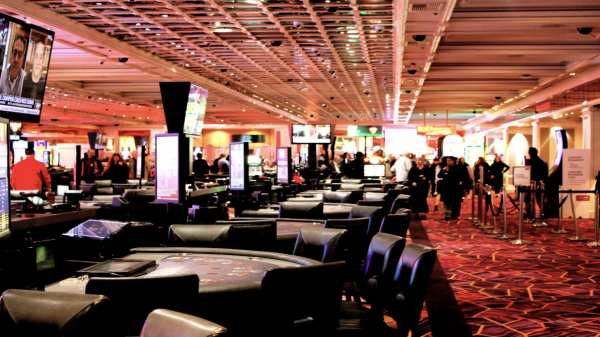
Four Features That Make Live Tables Feel Familiar
Live systems that deliver the best experience typically use a mix of physical gaming equipment and digital systems that enable remote participation. The following features directly impact the end user experience:
- Real equipment – Physical tables, roulette wheels, cards, etc allow for easily identifiable game actions during each round of play.
- Multiple cameras – Cameras can provide views of the players, dealers, and key action from a variety of angles, without the need for the user to switch between cameras.
- Live chat – Limited interaction with dealers and other users is possible via chat functionality at appropriate times.
- Digital interfaces – Timers, game information, and available actions can be presented on screen without obstructing the primary feed.
These features allow for the combination of a traditional table game with the benefits of a digital system.
Good Live Tables Depend on More Than a Camera Feed
Streaming a dealer is only one part of creating a convincing live table. Video, game data, interface controls, and physical actions must remain synchronized throughout every round. Even small delays can make the sequence difficult to follow. Two areas are particularly important for keeping the experience clear and consistent.
Camera Placement Helps Players Follow Every Important Action
A single wide camera would make smaller details difficult to see, especially on smartphones. Live studios therefore use several viewpoints for different stages of play. Getting a Melbet download for Android allows players to enjoy these crisp multi-angle streams with quick loading, high frame rates, and smooth touch controls. One angle may focus on the dealer, while another provides a clearer view of cards or roulette results. Switching between them helps maintain visual context and keeps every round engaging.
The timing of the transitions is also crucial. The action of interest should be shown prior to the start of the next segment. Too many cuts can be distracting, and static shots can obscure important details. Good production ensures that the focus remains on the game and not the television system.
Real-Time Data Connects Physical Actions With Digital Controls
Live tables require conversion of physical actions into data usable by a digital system. Cards, wheel results, or even the state of a game can be captured using optical recognition systems or other systems within the studio. This data can then be linked to the player’s digital display. This conversion must be performed quickly enough to maintain synchrony between the two systems.
Linking the results also enables easier result verification on a smaller display. The display can present prior results, current game states, and other relevant game data alongside the video. The player does not have to piece together all data from the video footage. Instead, clear presentation of data complements the physical action rather than working against it.
Sound and Studio Design Add Context Without Overloading the Screen
Audio has a functional purpose because it can be used to communicate information about the state of the game or the results of the game. If a dealer is using an audio interface, then having clear microphones will allow the dealer to effectively communicate over the background noise. Background audio can also be used in a studio to help create an audio environment. Overall, effective communication is more important than background audio.
Visuals can follow similar practices. The use of tables, vectors, etc. can be used to help in the design of a dealer’s studio and to help in establishing a location. However, these elements can also be used to make a studio appear less busy. With smaller displays, having control over the information that is presented becomes crucial. All information presented should be useful to the user and should aid in the understanding of the table.
Why the Best Live Tables Feel Organized Rather Than Complicated
A live table involves collaboration between people, equipment, video systems, and online systems. Live dealers enable interaction between people and allow for interaction with the dealer. Cameras and online systems enable remote access to the dealer. Informational interfaces are important for access to a live table. When all of these systems work effectively, players can feel like they are at a table but still maintain practicality on a screen.