

Editor’s Note: All opinion section content reflects the views of the individual author only and does not represent a stance taken by The Collegian or its editorial board.
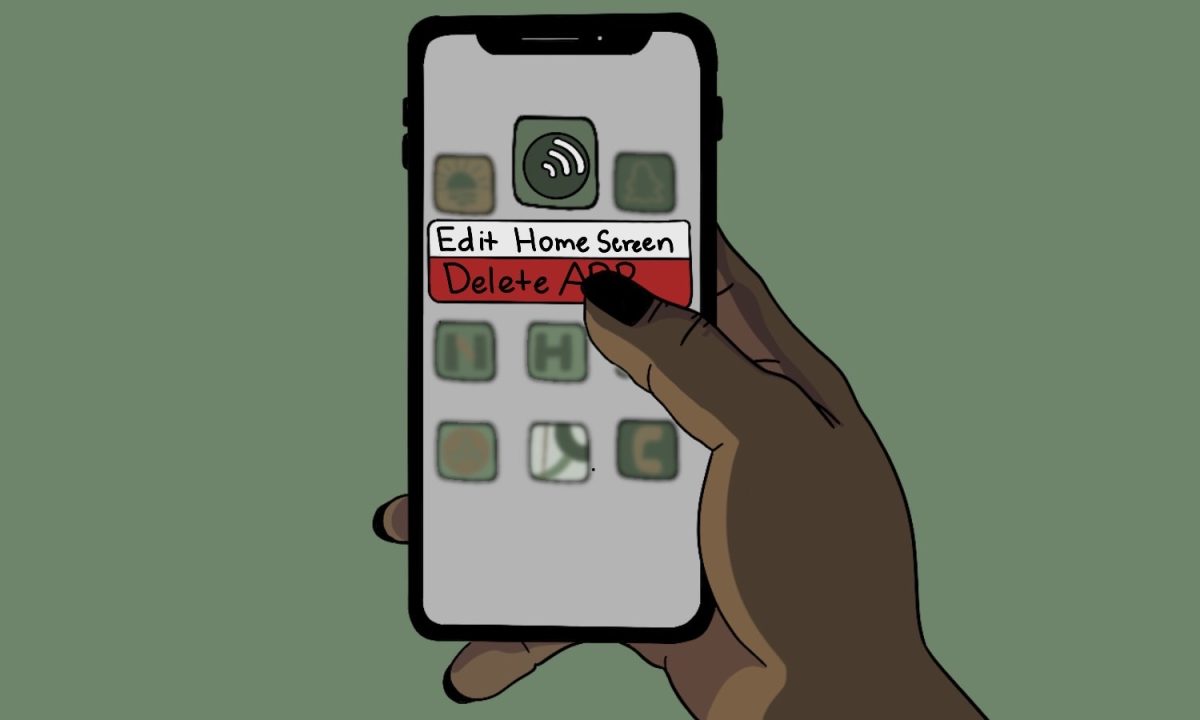
I average more than 100,000 minutes listened on Spotify a year and spent a week without music. Spoiler alert: It sucked.
I’ve always known that music is a big part of my life, but it wasn’t until I had to go a week without it that I realized just how essential it is. On Oct. 16, I lost my AirPods. I know — tragic. Like your average college student, I rely on music to get through almost everything. Walking to class, studying, working out, decompressing — there’s always a soundtrack in the background keeping me company.
And honestly, I listen to an absurd amount of music, and Spotify could probably expose me to a breakdown of my habits. But when I suddenly found myself stripped of this constant comfort, I was surprised at how much it threw me off.
“It’s not just background noise; it’s self-expression. It’s a way to connect with emotions or escape them, a form of communication without words. Music tells stories, evokes feelings and connects people across cultures and generations in ways that words sometimes can’t. It’s almost a religious experience, bringing people together, helping them find a sense of belonging.”
Day one was brutal. I woke up and instinctively reached for my AirPods, only to remember they were lost somewhere, probably stuck between the cushions of a library couch or left behind in a lecture hall.
My walk to class felt endless and eerily quiet. No Sade or Erykah Badu blasting in my ears, no MF DOOM or niche Japanese jazzy house to wake me up or set the mood for the day. It was just me, the wind, my footsteps and my thoughts about how much better it would be with music. My brain tried to compensate by playing songs in my head, but it wasn’t the same; I would catch myself humming to myself internally and felt insane.
Without my usual soundtrack, I noticed how crazy and anxious I actually was, even waiting in line for coffee. There was this hyperawareness that hit me. I found myself spiraling over the tiniest things for no reason, feeling jumpy and irritated by every little sound around me.
Without music to drown out the world, I started noticing everything around me. Snippets of conversations, the hum of engines, shoes clacking on the pavement — things I usually tune out without a second thought. Every sound seemed sharper and more invasive, making the quiet feel loud in an uncomfortable way. The absence of music wasn’t peaceful; it was tense and unfamiliar.
By my second horrid Airpods-less day, I sat down to do assignments and realized my productivity was tanking. Normally, music helps me zone in, tune out distractions and get things done. But without it, every little noise pulled my attention away. I’d hear the creak of a chair, someone flipping through notes, a phone vibrating across the table — it was like my senses were working overtime, and I couldn’t focus on my work.
After days of this strange, musicless existence, which I highly do not recommend, by the way — 3 out of 10 experience — I found myself thinking about why music matters so much, not just in general but to me personally. It’s not just background noise; it’s self-expression. It’s a way to connect with emotions or escape them — a form of communication without words. Music tells stories, evokes feelings and connects people across cultures and generations in ways that words sometimes can’t. It’s almost a religious experience, bringing people together, helping them find a sense of belonging.
It’s more than an accessory; it’s a way to navigate life and add meaning to everyday moments. It reminds us how art and sound shape how we experience the world. I feel like I appreciate music in a way many don’t — so this week, honestly, was awful. But it did remind me of something I couldn’t ignore: Music is everywhere.
Even if JPEGMafia wasn’t accompanying me on my walk home, music was still there: playing in stores, on other people’s speakers and in the random rhythms of daily life. Music is, thankfully, inescapable.
Reach Gigi Young at letters@collegian.com or on Twitter @CSUCollegian.






Gigi Young • May 7, 2026 at 2:37 pm
Omg… dramatic much..