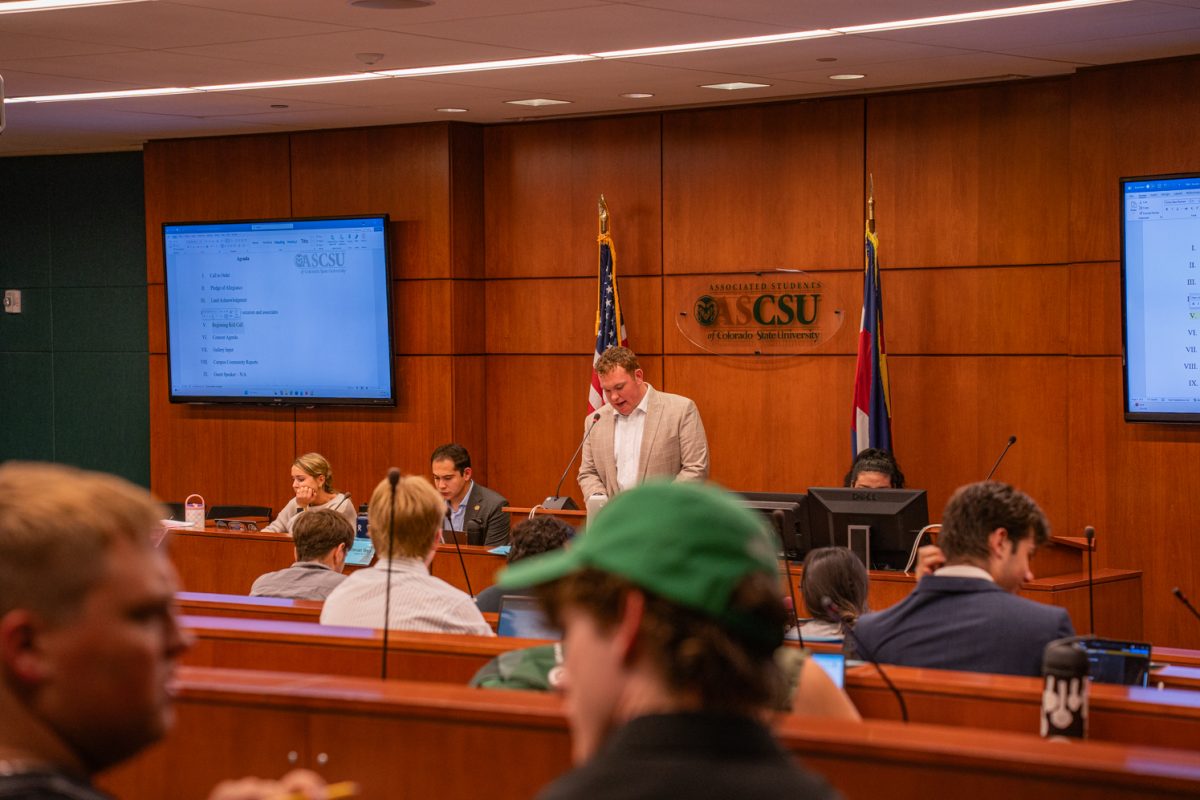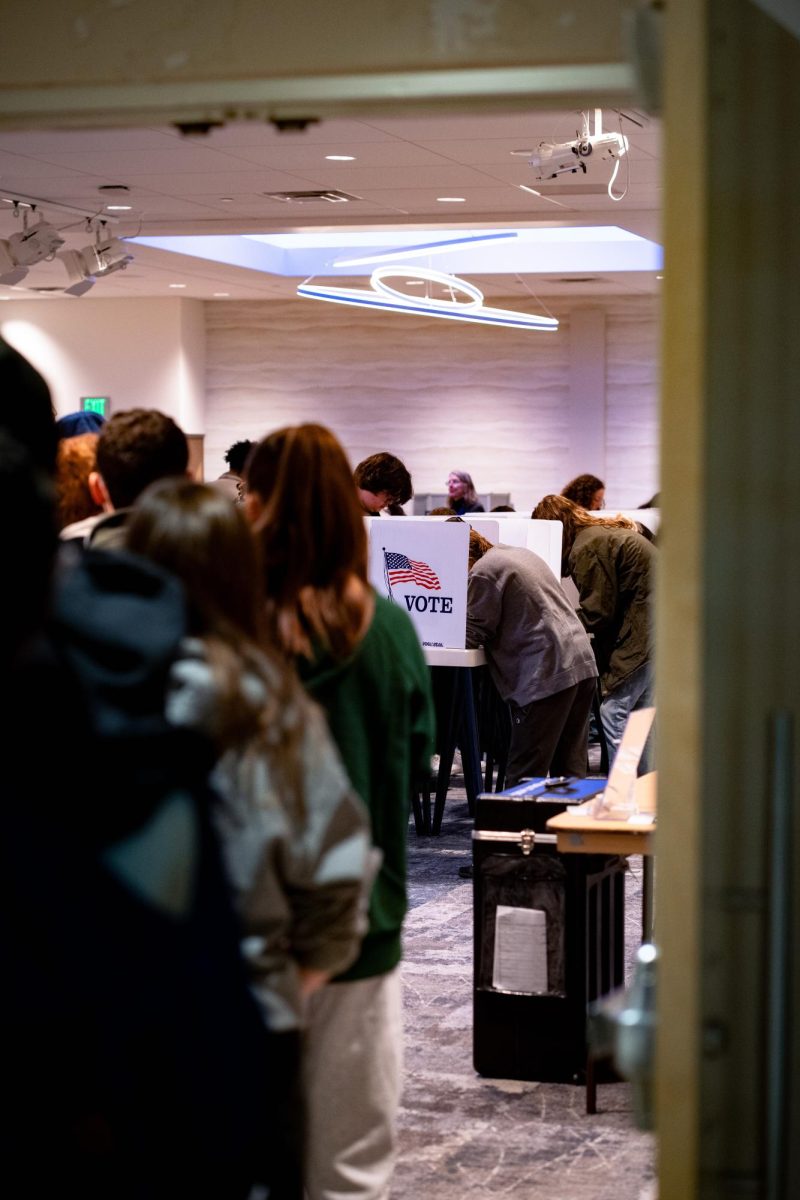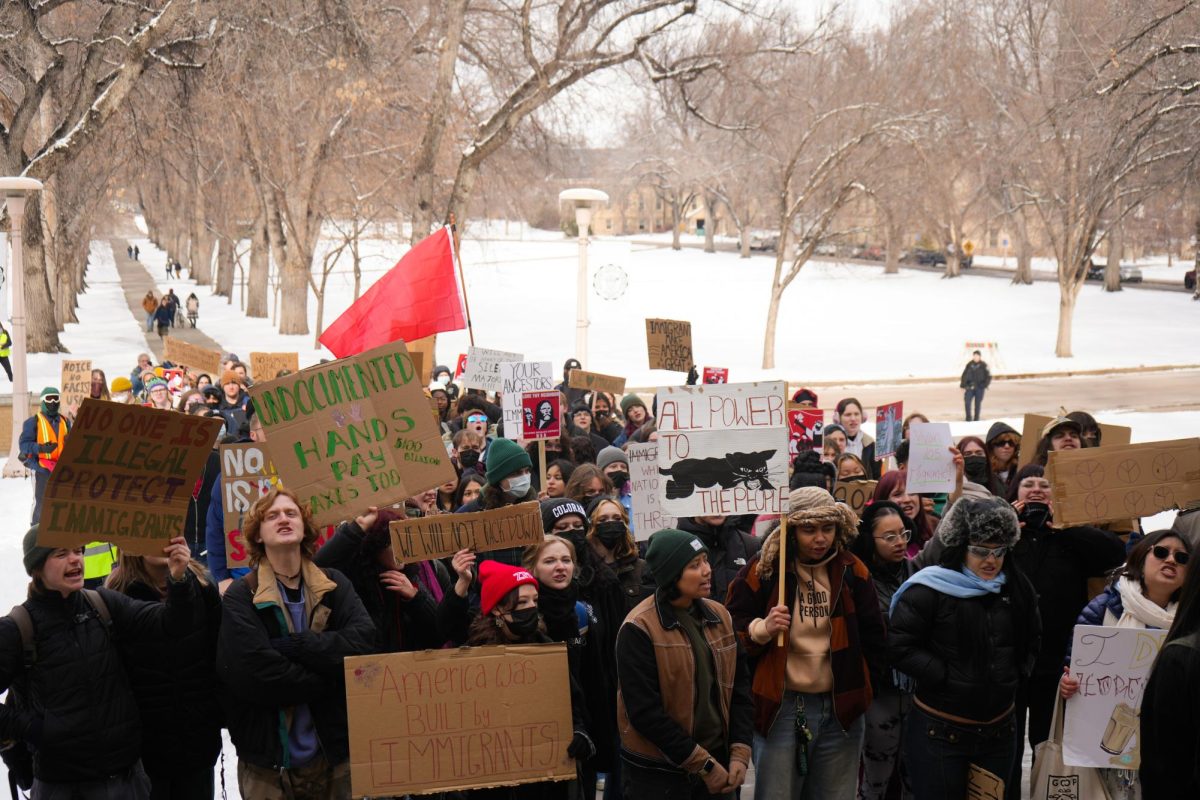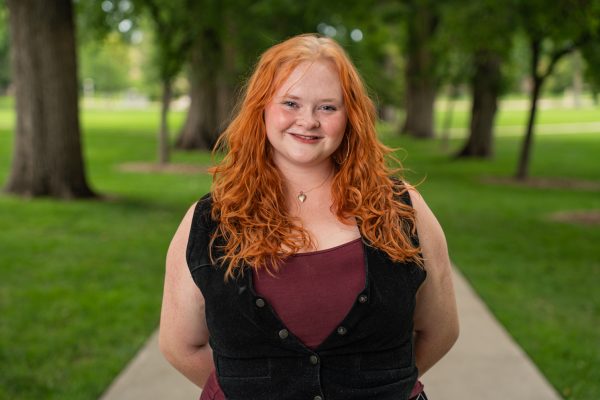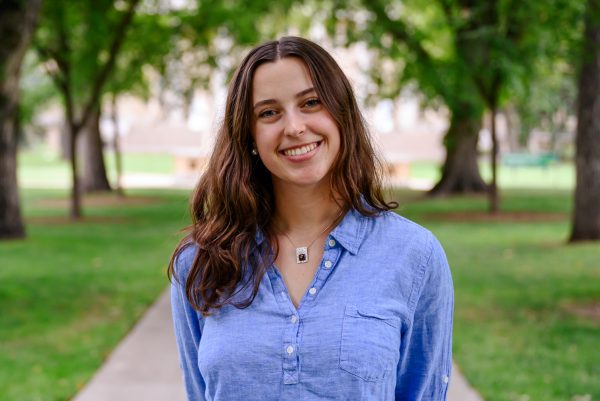


Colorado State University students heard from alumni working across government and advocacy during a panel hosted by the Strayer Center for Public Service Leadership, where speakers emphasized civic engagement, community relationships and the many ways students can shape policy.
The event was part of CSU’s Democracy Summit and featured alumni working in roles ranging from city government to state policy advocacy. Panelists discussed their career paths and offered advice for students interested in public service.
Opening the event, organizers highlighted the Strayer Center’s mission since its founding in 2017: to prepare CSU students to become civic leaders and public servants.
“At Colorado State University, we recognize that democratic systems require participation,” said Harper Dorris, the event’s moderator. “Results are more representative of our communities when community members are engaged and involved.”
Panelists echoed that message, stressing that the effectiveness of democracy ultimately depends on people choosing to participate.
“We need people involved,” said Jakob Lindaas, director of climate action at The Nature Conservancy of Colorado and a CSU graduate. “There are a lot of ways to get involved. There’s everything from showing up to local government meetings to engaging with advocacy organizations.”
Lindaas said much of his career experience, including work in Washington, D.C., reinforced a fundamental lesson about policymaking.
“The decision that we make in our democracy at the local, state (and) federal level can happen or not happen because of the personal relationship we have,” Lindaas said.
Panelists described a wide range of paths into public service, emphasizing that careers in government are rarely linear.
Kimberly Carracedo, organizing manager for the Denver Metro Tenants Union and a CSU political science graduate, said her background has shaped her work in community organizing, and she encouraged students to take advantage of the opportunities available during college.
“Use this time that you have now,” Carracedo said. “Use this university. Use the opportunity that you have now, and have a really good time with that.”
For some panelists, working at the local level offers a tangible connection to community needs.
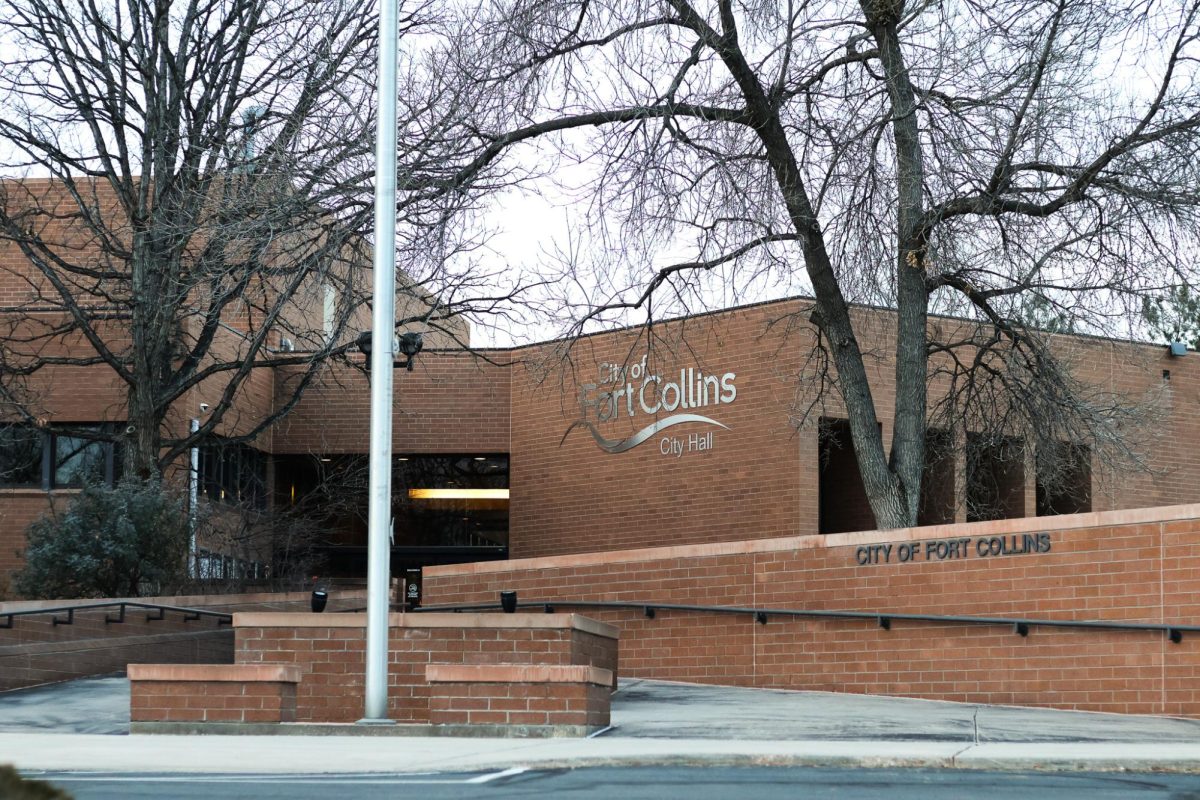
Emily Francis, mayor of Fort Collins and a CSU alumna, said, “local government has the most impact on real life.”
Francis said her interest in public service grew from working with local residents on housing issues before eventually running for city council.
“I followed what I was really passionate about,” Francis said. “I was really passionate about housing, and that led me to … eventually to running for office.”
She emphasized that students don’t need to have their careers mapped out immediately.
“You can figure it out as you go,” Francis said. “Just stay engaged.”
Several speakers emphasized that disagreement within government is not a flaw but necessary for democracy.
Tyler Marr, deputy city manager for Fort Collins and a CSU graduate, said working in government often involves navigating competing priorities and perspectives.
“We have all found different parts of the democratic system that suit our personality types,” Marr said. “When institutions have friction with one another, that is democracy in action.”
For Manny Santistevan, director of governmental affairs and policy at the Colorado Department of Labor and Employment, working in government sometimes means focusing on preventing harm rather than creating new policy.
“I came out of undergrad really optimistic about the work that I could do,” Santistevan said. “But also stopping bad things from happening.”
Santistevan said his role is to bridge complex policy issues with legislators and other stakeholders.
“What I loved most was being a subject matter expert and thinking about complex ideas or requirements around funding and explaining that to members of the legislature or with the governor and making sure they took the right form,” Santistevan said.
Throughout the discussion, panelists encouraged students to stay engaged in civic life and seek out opportunities to learn.
“Be open and ready to go to learn,” Lindaas said.
For Carracedo, the key is finding a role that fits one’s strengths.
“Find your front line,” she said. “Not everyone’s front line is the same.”
Students attending the panel said hearing from alumni working in public service made potential career paths feel more tangible.
“It demonstrates how different parts of government and advocacy work together,” said Santino Martinez-Richardson, a CSU senior attending the event.
Organizers said that conversations between students and alumni are central to the purpose of the summit.
“Students get to look at us and realize, you are us in about a year,” said Hannah Prinzi, city planner for the City of Pueblo.
As the discussion concluded, panelists emphasized that democracy ultimately relies on participation from every generation.
“There’s so much to care about,” Prinzi said. “They’ll never not be something to care about and work towards and everyone’s able to contribute in different ways.”
Reach Maci Lesh at news@collegian.com or on social media @RMCollegian.