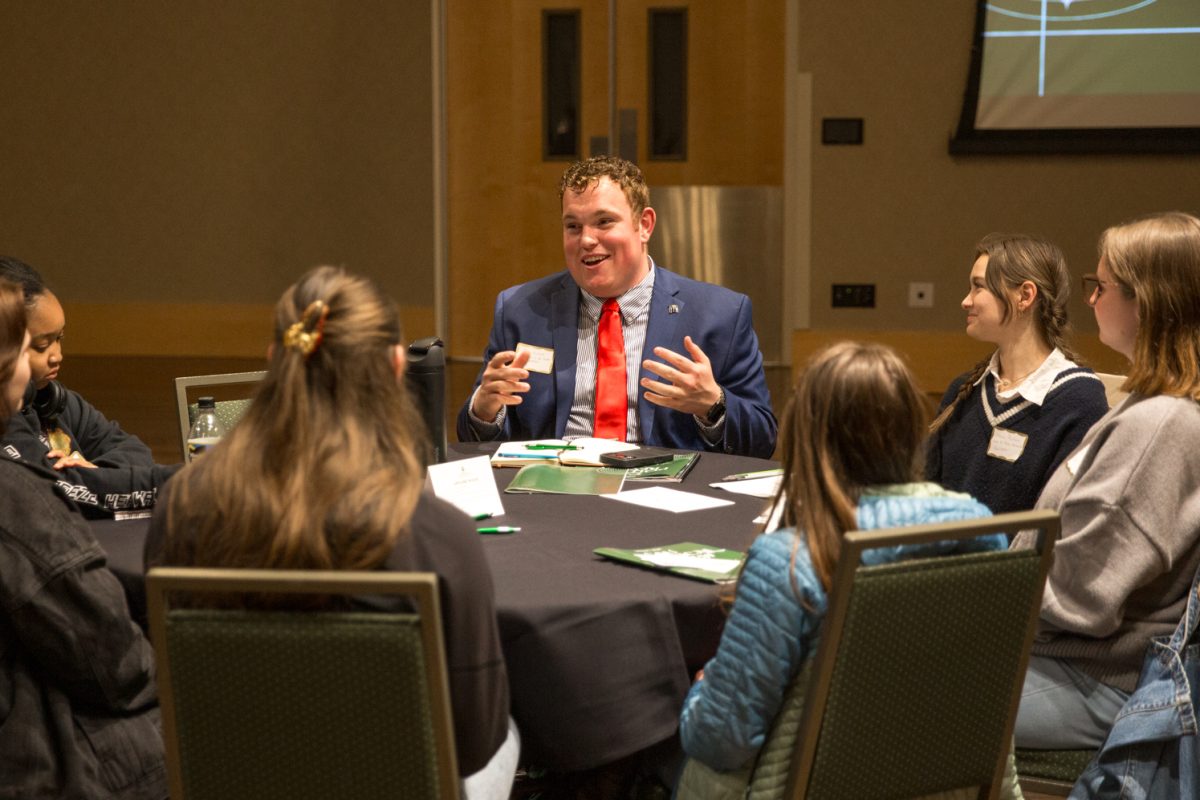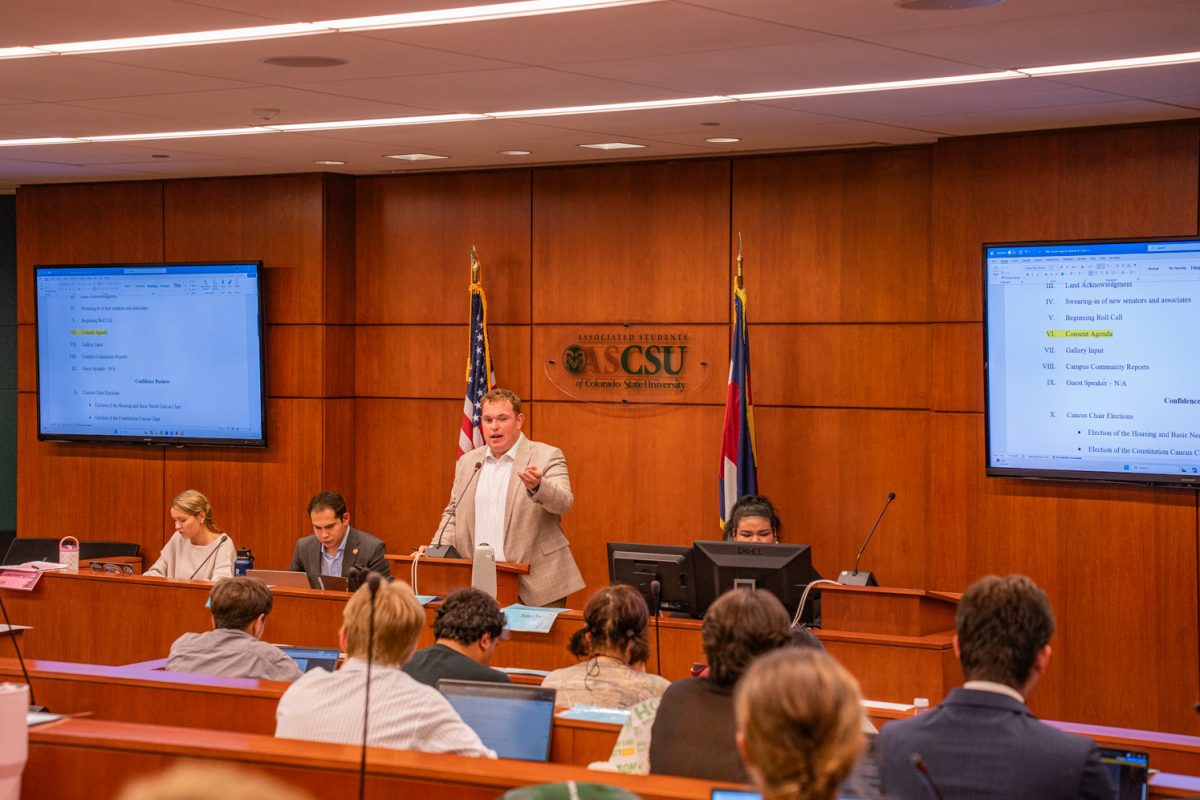


On March 9, the Colorado State University Democracy Summit hosted a Colorado history panel featuring historians and professors that offered a historical perspective on both state and federal democracy for CSU students and community members. The panel discussed episodes in Colorado history, education’s role in democracy, and how history has shown the pros and cons of democracy itself.
Panel moderator and chief creative officer at History Colorado, Jason Hanson, opened the discussion by acknowledging Colorado’s 150 years of statehood and introduced how the study of history can be empowering, as it’s a reminder of challenges others have faced and confronted with agency, ultimately shaping outcomes just as we can do today. Moreover, history encourages empathy, for there is not just one particular understanding of the past but a collection of perspectives. He then linked these two traits as foundational to democracy.
“This empowerment of our individual agency and empathy for others in our community are two cornerstones of a healthy democracy,” Hanson said.
Throughout the conversation, panelists discussed the pitfalls and strengths of democracy through examples of historical events. William Wei, a professor of history at the University of Colorado Boulder, discussed the importance of power being in the hands of the people, which is rooted in early Colorado settlements’ suspicion of government power. Though, he also shared concerns about the “tyranny of the majority” as well as the influence of capital on today’s democracy and the importance of guardrails that protect the rights and freedoms of the minority.
Assistant vice president of academic affairs and professor of history at Adams State University, Charles (Nick) Saenz, added to this with examples in Colorado history when the popular vote has been beneficial as well as harmful.
He talked about how the popular vote in Colorado granted women the right to vote before it was federally established. Though in contrast, a popular vote in 1992 essentially removed the ability to establish anti-discrimination clauses, making Colorado famously known as the “hate state.”
Hanson also opened the floor for the panelists to discuss patterns history has shown, what we have seen before in today’s politics or what is currently unprecedented.
Wei said the level of corruption witnessed at the federal level is unprecedented and shared concerns about its impact on the future of democracy as we know it. He said it’s up to the younger generations to shape the country and its democracy for the future.
“The democracy we believe in is, in many respects, aspirational; we seek to realize the ideals that are embodied in our founding documents, … and indeed, what makes us Americans is because of our commitment to realize those ideas,” Wei said. “What I’m talking about are things that we’ve all been mentioning: racial equality, social justice (and) political empowerment. Those are things worth aspiring to.”
The conversation also centered on the role of education in democracy, particularly at the university level.
Claire Oberon Garcia, who serves on Colorado’s State Historian’s Council and works as an English professor at Colorado College, said there are hard discussions that must be had surrounding what constitutes education and the importance of building strong critical thinking skills to fully participate in a democracy.
“Is miseducation a story that you don’t like and education a story that you do like and want repeated?” Garcia said. “Is education just which form of indoctrination happens to align more with the beliefs that you already bring into a certain academic space?”
Saenz offered another perspective, that the spaces universities and classrooms create allow students to discuss and work together, which ultimately works as a way for people to understand the functions of democracy.
“The role of the university, I think, is central to the ongoing vitality of a democratic practice,” Saenz said.
The panel discussion ended with an open Q&A session with the audience on topics surrounding illegal immigration, what can be done to make changes in today’s democracy and referendums on the ballot in Colorado specifically.
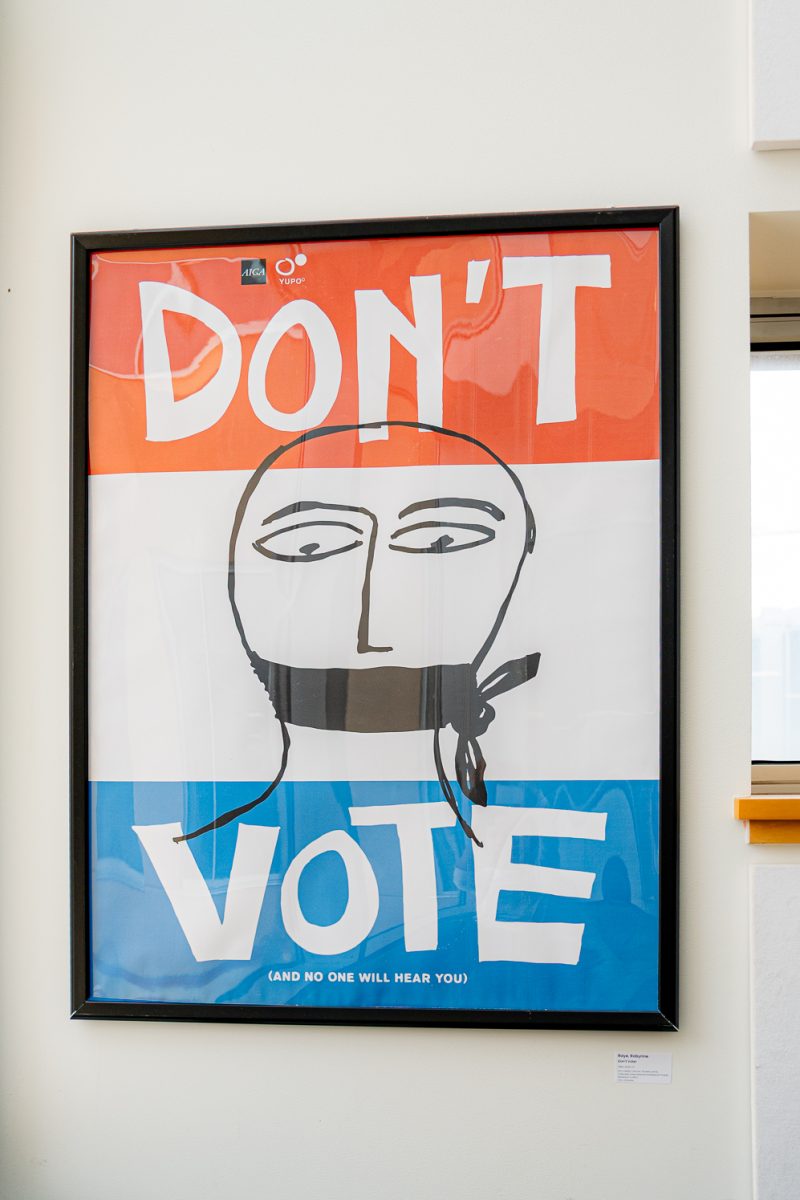
In regards to what can be done in today’s political climate, Wei stated the importance of getting out and voting.
Garcia urged people to be brave when standing up to certain ideas that can be dangerous and make certain individuals vulnerable.
“Being able to stand up to those kinds of ideas takes a lot of bravery,” Garcia said. “So I think the first thing is to be brave, even knowing it might cost you emotionally, physically and otherwise.”
Reach Annamarie Burford at news@collegian.com or on social media @RMCollegian.