

Editor’s Note: All opinion section content reflects the views of the individual author only and does not represent a stance taken by The Collegian or its editorial board.
What is considered “classically feminine” to the average person? Long, flowing hair? A petite figure paired with dainty features and a soft voice? Submissiveness?
These aren’t characteristics that define women, nor are they the ideals that many consciously strive for. Despite this, society, primarily the U.S., has cited these traits as a basis for what it means to be “feminine” for generations.
White women are and have been the perceived “baseline” for ideal femininity in our society. At its core, this originates from years of targeted oppression toward people of color and purposeful conditioning through colonialism and violence. We see modern-day examples of this in other countries, as some nations across the globe market products such as skin-lightening creams. We often forget that this is just as much built into our implicit biases as it is in theirs.
When searching for “cute hairstyles” on Pinterest, how long is it until you find a reference that isn’t straight or wavy hair? When searching for “women pop artists” on Google, how many women of color do you see? Of the women of color, how many are listed solely as R&B, even though their music doesn’t match that genre?
This isn’t a coincidence. While unintentional by many, these instances are biases baked into our very perceptions of the world. We have created a society where anyone other than a white woman is seen as “an addition” — a society where women of color aren’t included in the mainstream and are always a subconscious “other.”
While the empowerment of women in the United States has an extensive history, it has always removed, and continues to remove, women of marginalized groups from the narrative. This is white feminism. The idea of intersectionality is completely lost in many conversations about women empowerment — conversations that focus solely on gender when there’s a myriad of compounding challenges and factors that follow.
As a woman of color who grew up in a primarily white community and now attends a PWI, I notice the effects of this daily. Whether it be in conversations in which someone mentions getting their “black belt” in an attempt to relate to me; when a white friend says, “They can’t handle allat,” when talking about a white person in relation to a Black person; or when someone speaks in a blaccent for comedic effect. While this isn’t intentional on many fronts, it is still noticeable, and it’s harmful.
White femininity is seen as the forefront of every women’s experience. It shows up in little ways, more often than not. For example, classics such as “The Bell Jar” are the pinnacle of white feminism yet acclaimed to be a revolutionary feminist novel. Or in music genres, R&B is often perceived only as “baby-making music,” and rap and hip-hop are seen as “too harsh” and inappropriate.
Women of color are not “additions” or an “other.” Their experiences are just as real and mainstream as any experience. Femininity is not a certain stature, skin color or attitude, and it certainly does not pertain solely to cis-gendered, able-bodied white women — it never has. Without women of color, the idea of the women experience is unfinished.
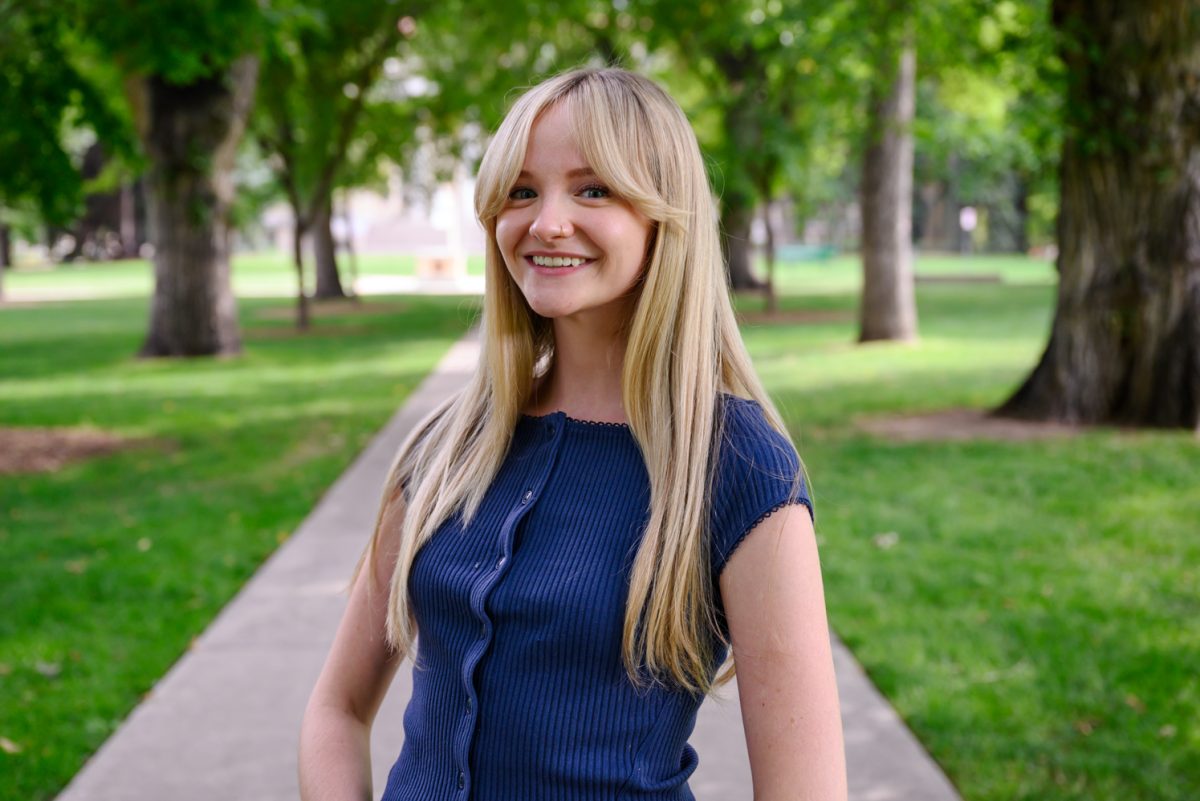
Reach Gia Galindo-Bartley at letters@collegian.com or on social media @RMCollegian.