
Being an athlete is having your life in the spotlight: getting the fame, recognition, respect and camaraderie. It’s a spot difficult to attain, making it that much sweeter. However, once time runs out — which is inevitable — athletes may lose a sense of identity.
So how do they hop back on the saddle?
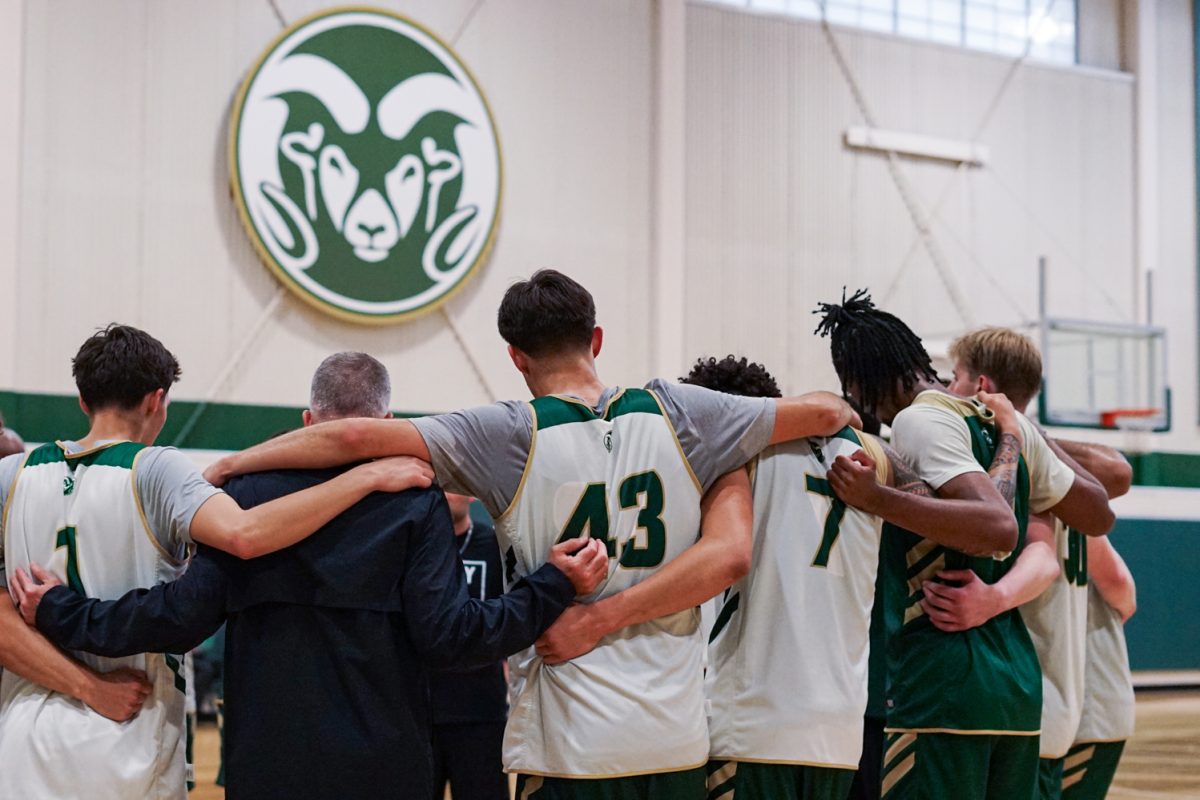
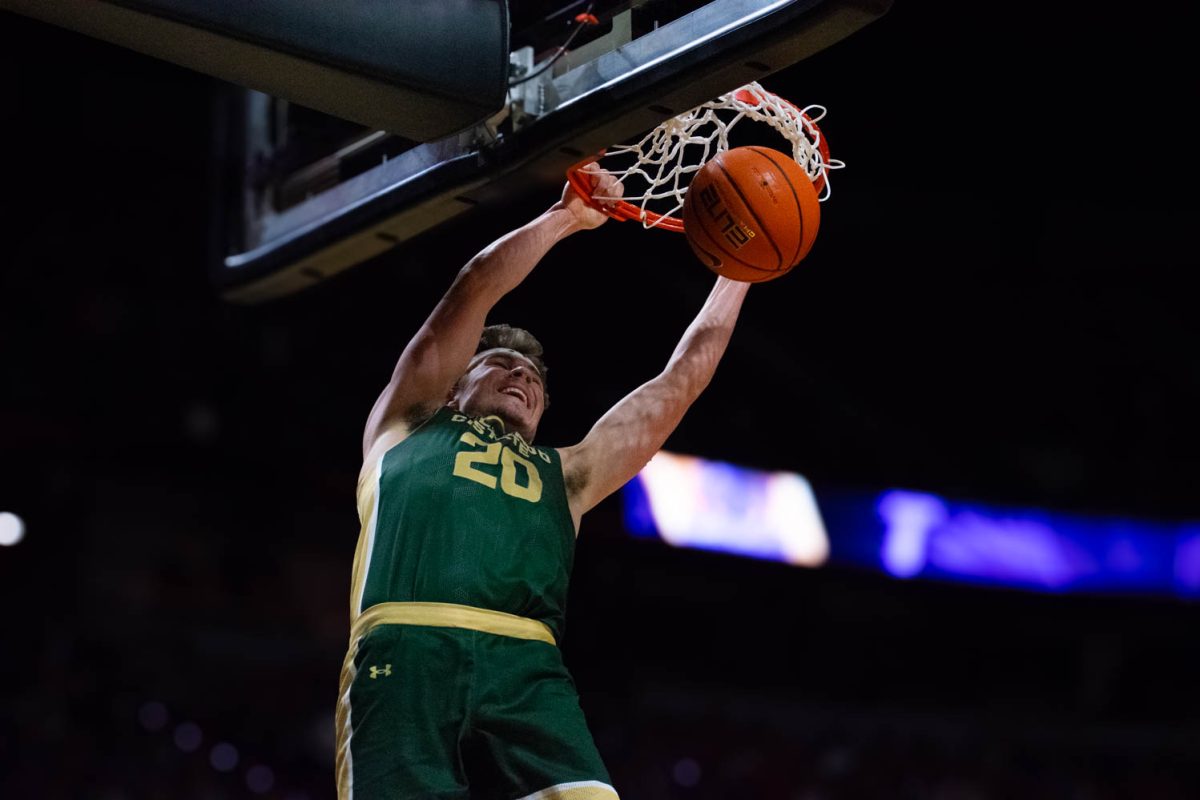
Going from Division III to Division I in basketball is a rare and difficult task. It is a transition that takes sacrifice and requires a lifestyle that must be lived in order to achieve such an accomplishment. Colorado State’s men’s basketball graduate assistant and former player Joe Palmer did just that.
But now his Division I playing career has passed.
“It’s definitely hard. Guys lose themselves after, and I’d be lying if I said I didn’t lose a little bit of myself,” –Joe Palmer, former CSU men’s basketball player
“It’s very hard going through it,” Palmer said. “It’s like an identity crisis, if that makes sense.”
Palmer grew up in a sports family with six siblings. He grew up watching his older sisters and brothers play basketball. His brothers went on to play at the collegiate level, so there was always a set standard. Palmer was underrecruited out of high school but knew he wanted to play at a high level, even if that meant playing DIII ball.
“The process, so many people talk about it,” Palmer said. “The process, the process, but it’s true, man. Sometimes things don’t happen overnight. It’s the people that can stick through it and play the long game — (those) are the ones that kind of come out on top.”
Grit is needed to make it DI. It means living a different lifestyle to become the star basketball player. Most athletes are not at their families’ Thanksgiving dinner tables, and most miss Halloween trick-or-treating with loved ones. Although the basketball team does get time off for Christmas, they really only get two full days before having to return.
But one day it all stops. “Headband Joe,” his playing nickname, was a thing of the past.
“I had to come to terms with myself that I was no longer just a basketball player,” Palmer said. “For any younger guy or younger woman, I would say, ‘You’re not a basketball player; you’re so much more than that.’ It’s really easy to get wrapped up in that identity because it feels good.”
After finishing his collegiate career in 2024, Palmer took his chances at playing basketball overseas and completed his lifelong goal of playing professionally. He signed with the Mount Gambier Pioneers of the National Basketball League in South Australia, playing there for seven months. However, he knew it was not for long.
“(There was) a lot of loneliness over there, but then you come back and you realize, ‘I can’t stay still for long.’ So I had to find the next thing,” Palmer said.
Most fans only hear about the athletes who get to leave the game before the game leaves them.
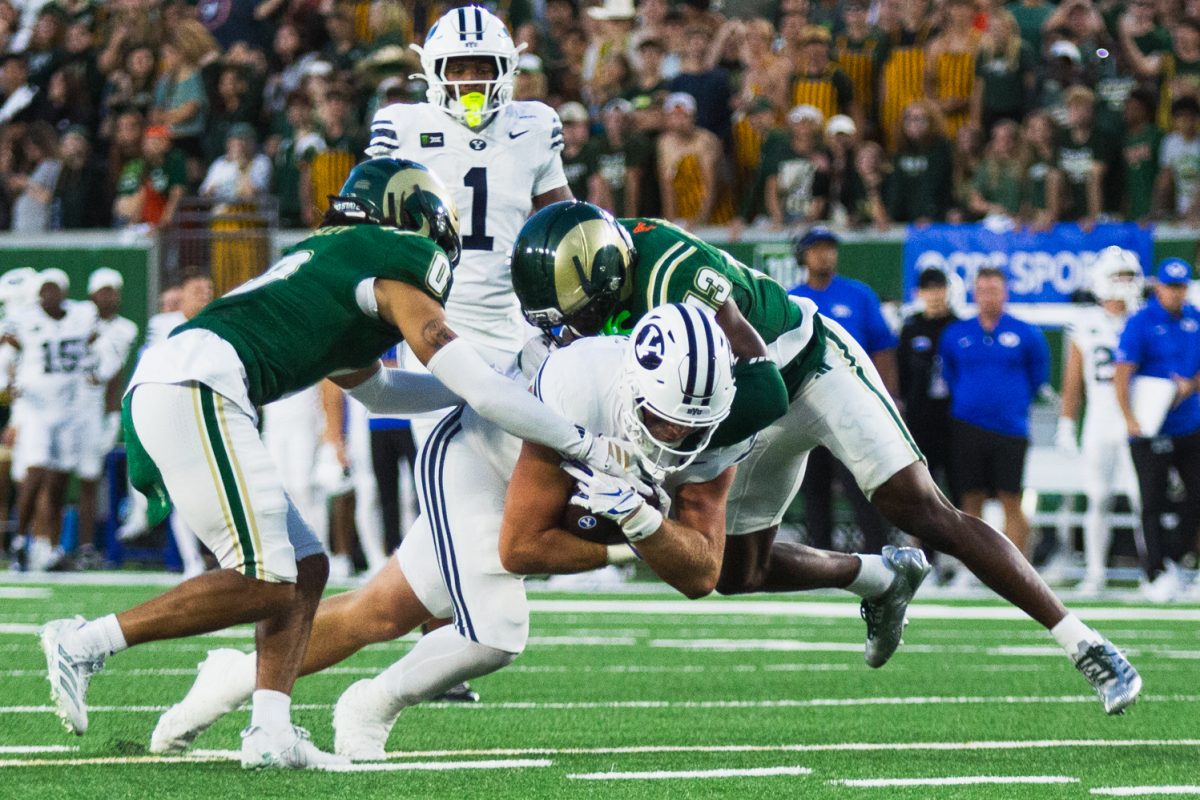
“Ninety-nine percent of everybody else, the rug gets pulled out from under, whether it’s you get cut (or) injured, and all of a sudden you’re not playing anymore,” said Kevin McDougal, CSU Athletics Hall of Fame inductee and former NFL running back for the Indianapolis Colts. “It’s absolutely devastating. I mean, I started playing football when I was 8 years old.”
McDougal found himself in the phase athletes go through when their playing careers are over: the phase of trying to insert themselves into the real world after playing.
McDougal was a part of the Sonny Lubick era, rushing over 3,000 yards as a Ram, and earned the 1999 Mountain West Conference Offensive Player of the Year. Recognition was high for McDougal; he even had a TV crew set up at his house for day one of the 2000 NFL draft. That “good” feeling Palmer mentioned is what makes the transition after playing that much harder.
“A lot of guys are able to transition quite easily, but I think there’s always that little piece that is like, ‘Man, this huge part of my life is now gone,’” McDougal said. “I had a psychiatrist actually tell me one time that it’s almost like you’re grieving the death of a close family member.”
McDougal heavily pushes for athletes to find something that they can be passionate about, the same way they were when playing their respective sport. He understands that if this isn’t done, it can lead athletes down dark roads, including depression, addiction, imposter syndrome, a loss of direction or anything similar.
“Really sit down and figure out what you really want to do; what do you love?” McDougal said. “What gets you up in the morning? Is it coaching? Is it helping people? Pick out something that you really can love to do, and go after it like you did your athletic career.”
For Palmer, he took on the challenge of finding what was next after playing overseas. He tried the world of business with real estate and quickly realized he wanted to be back in the world of sports. He then started assistant coaching at Fort Collins High School, where he shared his experience as a pro with young athletes. He also stepped foot into the sports media landscape but still felt unfulfilled.
“Seriously, I don’t remember a lot of the plays I made on the court,” Palmer said. “What you remember is hanging out with your buddies. I remember hanging out with (Patrick) Cartier, Joel Scott, Isaiah Stevens (and) Nique Clifford. I remember the stuff outside of basketball more than anything. I knew I wanted to be a part of a team even post-playing career. I missed the team atmosphere.
“It’s definitely hard,” Palmer said. “Guys lose themselves after, and I’d be lying if I said I didn’t lose a little bit of myself.”
Palmer returned to his alma mater in August 2025 when the Rams brought him back as a graduate assistant coach. Palmer stayed determined through the multiplicity of things he tried during his search for his next chapter but ultimately knew where home was.
“Coach (Niko) Medved and Coach Ali (Farokhmanesh) always preached here to trust your training and trust the process, so you really have to believe that,” Palmer said. “I took all the basketball lessons here, and I applied them to real-life situations and settings. So trust the process, but also enjoy it.”
CSU welcomed Palmer back with open arms. He has earned the team’s respect through his accomplishments and unique experiences, having played at the collegiate and professional level very recently, in addition to being on a March Madness team his senior year.
“What he brought to the team energy-wise, his play, how he played hard diving on the floor, stuff like that, means a lot,” CSU assistant coach Cole Gentry said. “It means a lot to the program and the fans to have him back, and he’s doing a great job.”
Athletes often encounter major adversity and countless hours in the weight room, on the court and on the field, all with blood, sweat, tears and sacrifice — so much so that they forget to ask for help when things get hard. For many athletes, it’s an expectation to endure difficulties, but it’s not always just about sports.
“Don’t be afraid to ask for help,” McDougal said.
Palmer is an athlete who entered the unknown after his playing career. He used his determination to find his way back to the Rams and start a new chapter in coaching.
“(CSU’s) everything,” Palmer said. “It’s given me structure, grounding the floor underneath my feet. I am just really thankful because I don’t know what I would be doing if it weren’t for CSU. There are so many people scratching and clawing into a place like this. I’m always happy to be here, trying to be chipper, smiling more because I just know how special it is here.”
Reach Aron Medrano at sports@collegian.com or on Twitter @AronMedrano27.
Interested in more sports content? Sign up for Ram Report here for weekly CSU sports updates!