


Mayor Pro Tem and District 6 City Council Rep. Emily Francis is set to become the next Fort Collins mayor following her decisive victory in the city’s 2025 ranked choice election. Francis will begin her first two-year term Jan. 13, 2026. She is set to take the seat of Fort Collins’ current mayor, Jeni Arndt, who declined to run for reelection after serving two terms.
Housing affordability was a top priority for voters in the 2025 election, an issue that Francis campaigned on addressing. In a weak-mayor system like that of Fort Collins, she will need to work closely with city council to get approval for any initiatives she hopes to pass throughout her term. Francis said she is looking forward to working with the four new city council members, including her yet-to-be-disclosed appointment for District 6 and the recently elected Chris Conway of District 1, Josh Fudge of District 3 and Amy Hoeven of District 5.
“Looking at how people ran campaigns and how they present to themselves, I feel very confident that we’ll have a very respective and collegial kind of working group,” Francis said. “I think there are always disagreements about how you do something, or how you get somewhere, but I think overall we all have the same goal, which is to make Fort Collins livable.”
“Regardless of if we grow, Fort Collins is made by the people, and I really love the people.” –Emily Francis, Fort Collins Mayor-elect
Francis remarked that her learning curve as mayor will be minimal. As a familiar member of local government, she has routinely led council meetings, attended leadership briefings and filled in for Arndt when she was out of town.
“I’ve done the job and I’m privy to all the meetings that already happened,” Francis said. “I feel like I have a really good sense of what the job is. … It’s really important to set the tone for the city about how we’re going to interact and how we’re going to treat one another.”
The cost of living has been a long-standing issue for Fort Collins residents, but the city has so far been unable to meet its 2021 goal of building at least 282 new units annually. Francis said she hopes to establish a sustainable source of funding for housing, diverse projects and streamlined development processes — efforts that will in turn boost the local economy.
“We need to be more aggressive in how we’re approaching housing and just affordability overall,” Francis said. “It’s not only expensive to have housing, but it’s also really expensive to open a business or maintain a business, and those costs get passed on.”
She added that economic reality alone makes the direction clear.
“Economics says we have a housing shortage,” Francis said. “So you couldn’t just focus on business to alleviate a housing shortage, you have to build housing. We need both increased housing supply and good-paying jobs.”
As the city continues evaluating its growth, she said several land-use decisions will also shape the next few years, especially downtown, where development pressure remains high.
“There are going to be some tough decisions,” Francis said. “Moving to paid on-street parking, building another garage, and what are we going to do with vacant lots? Are we going to put housing there?”
For Francis, affordability is inseparable from Fort Collins’ climate ambitions, which many residents also prioritize. Still, she said those goals can sometimes clash.
“Fort Collins is dealing with the tension of being a very pro-climate city, … but we’re at a point where that investment is making it more costly to live here,” Francis said. “We’ve done the low-hanging fruit, and we’re at this point where it’s like, well, how far do we want to go with climate work at the cost of affordability and who can live here? That is a really big tension we’re going to have to face.”
While she may prioritize the reformation of climate action efforts, Francis pointed to recent climate accomplishments that she had a hand in, including the expansion of composting capacity largely through the city’s partnership with the company Compost Queen.
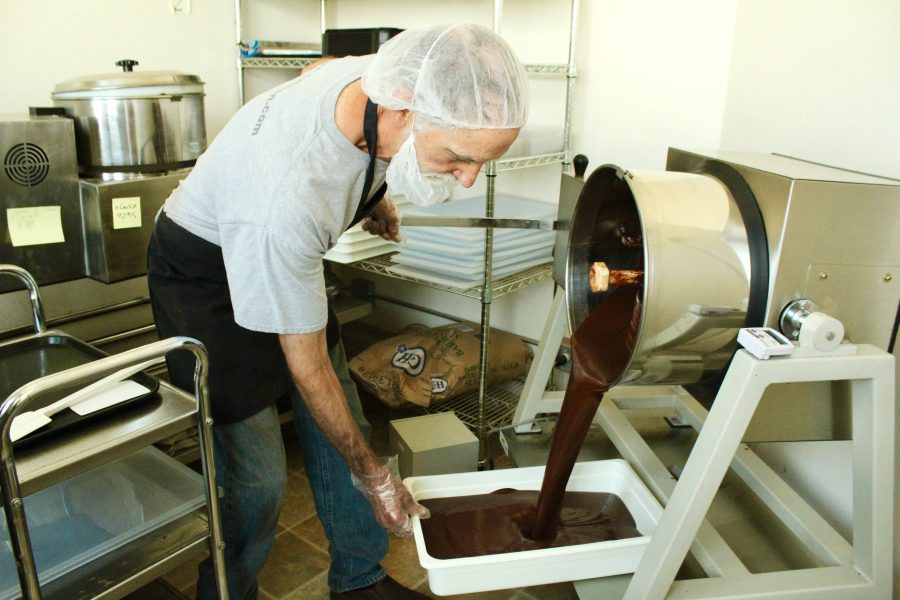
“We put $7 million toward a facility to start food composting,” Francis said. “We diverted about 200 tons of yard debris away from the landfill, the largest single diversion we’ve ever done.”
Some of Francis’ other big concerns aren’t policy-based but cultural. She said Fort Collins is dealing with the loss of community connection and that the city needs to reinvest in third spaces, or spaces that aren’t home or work, to help rebuild social cohesion.
“If you’re not in college and you don’t have kids, there’s not a lot to do,” Francis said. “We need to build something to help people interact in ways that aren’t just drinking or kids activities.”
As she prepares to step into her role as mayor, Francis said she’s thinking about the city that raised her and the people who built it.
“From growing up in Fort Collins and being here, it’s like Fort Collins attracts certain people,” Francis said. “Regardless of if we grow, Fort Collins is made by the people, and I really love the people.”
Reach Chloe Waskey at news@collegian.com or on social media @RMCollegian.





True • Jan 20, 2026 at 5:14 pm
Fort Collins feals like its having an identity crisis and doesn’t have the type of leadership to push it out of the past and into the future because lets face it, people don’t like change. I voted for Emily as the alternatives were bleak but she has her work cut out for her. She is certanly correct about the city’s lack of culture for people who aren’t students or parents.
Fred Kirsch • Dec 2, 2025 at 1:50 pm
Emily alludes to the intersection of affordability and addressing climate/local air pollution, but she fails to recognize and act on policy and practices that live in that intersection. She says we have “done the low-hanging fruit” but there are truly inspiring opportunities to bring down electric bills and support the local economy using solar and electric vehicles. Emily continues to ignore these cost effective, positive return on investment solutions and instead prioritize composting. Composting is a ridiculously high cost way to reduce carbon emissions, especially when compared to money saving options like solar and EVs. Don’t be greenwashed! Real climate action doesn’t compete with affordability, it is affordability.
Paul Jenkins • Dec 1, 2025 at 6:53 pm
Frankly, I live in Old Town, Fort Collins, and I see entirely too many vacant storefronts. Whether it’s Mountain Ave. or Linden St. or S. College Ave. It looks bad when you see so many empty storefronts. Is there a problem with expensive leases, or lack of foot traffic, I don’t know.