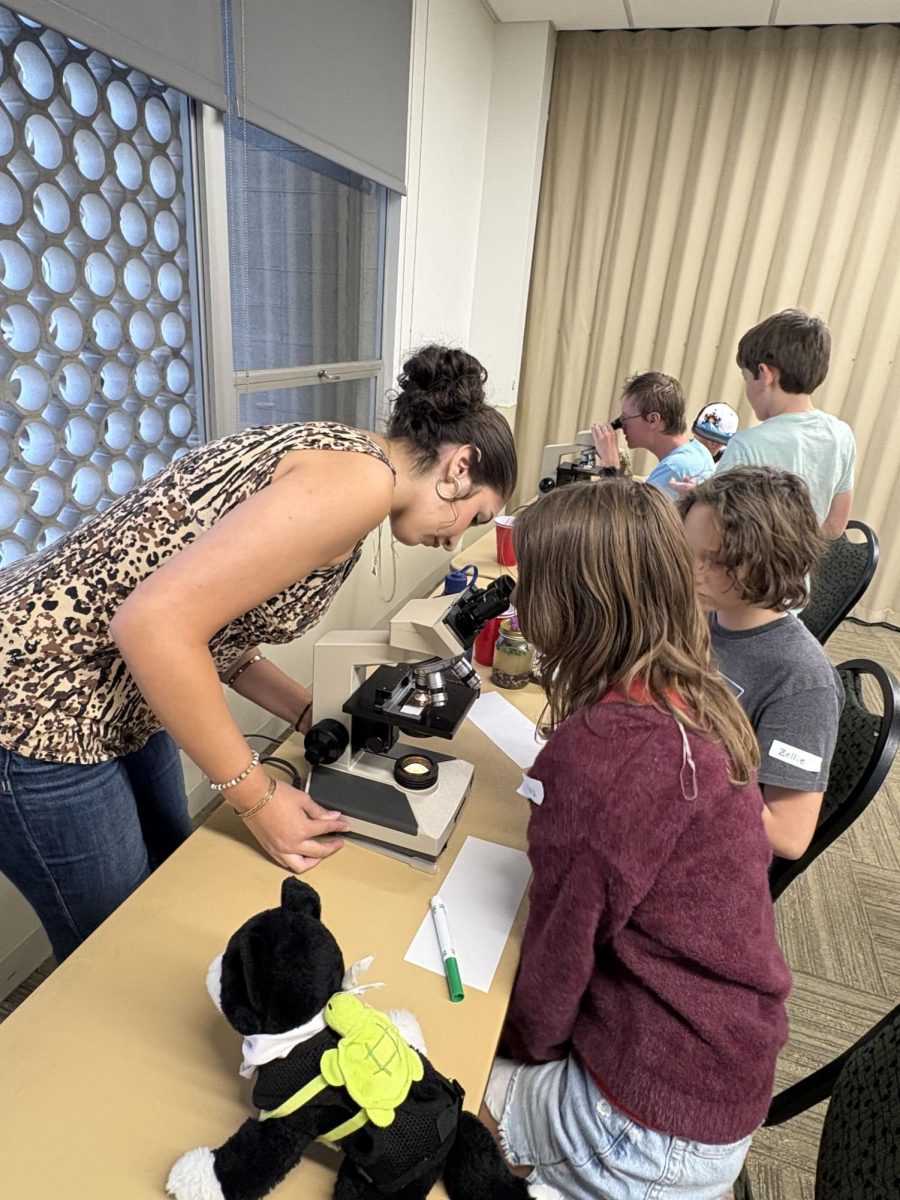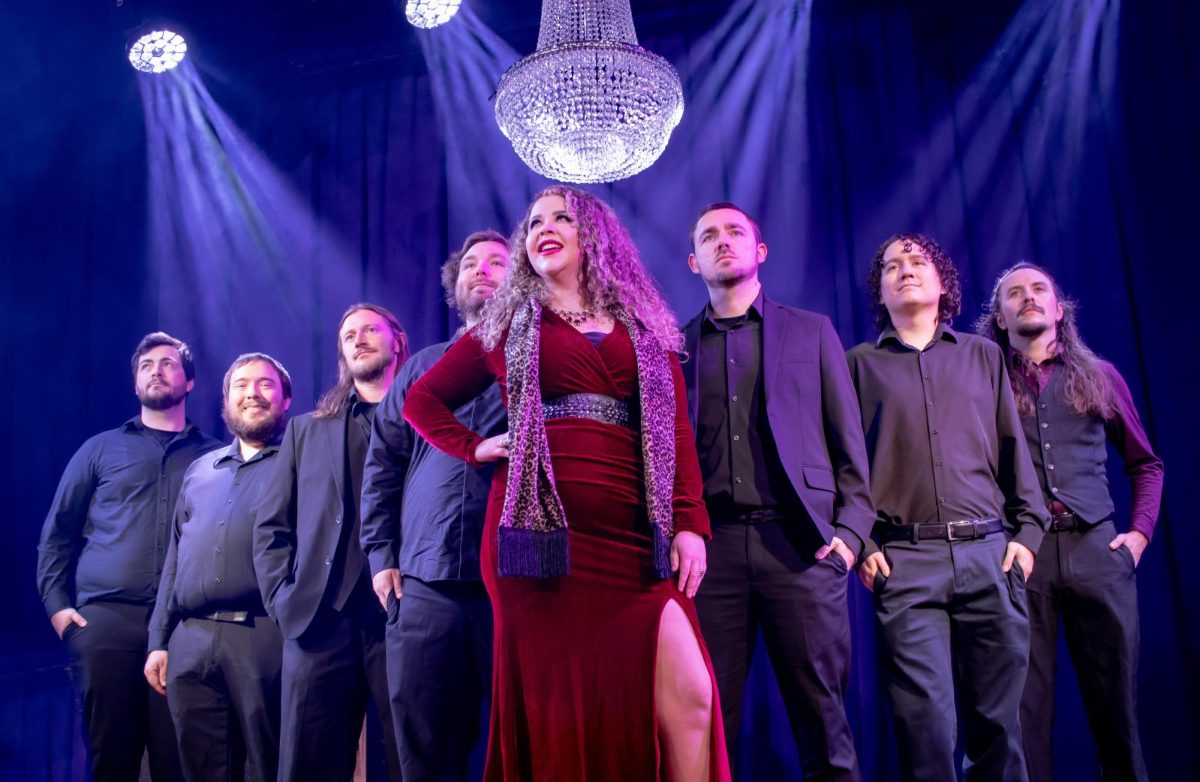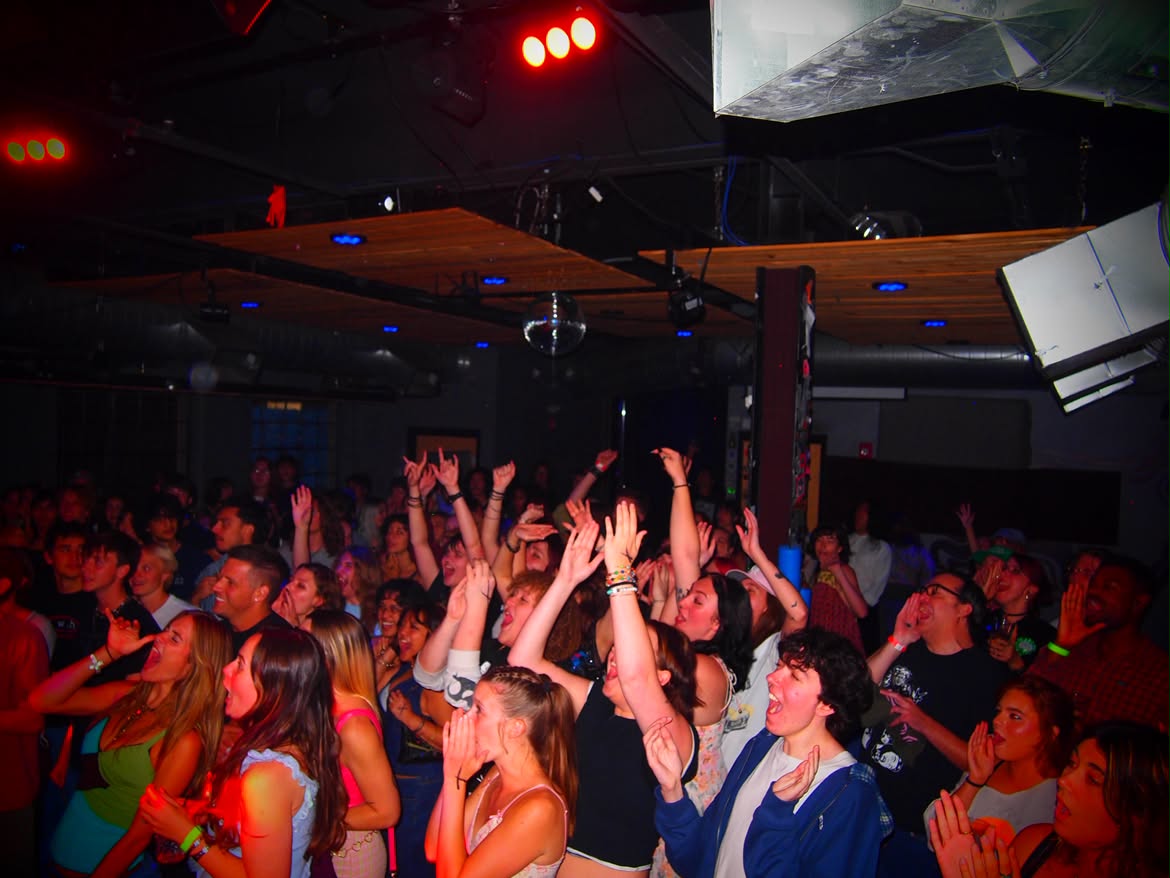


As snapshots of human rights stories flickered across the screen, community across different generations and identities came together to experience change, hope, love, pain and everything in between at the ACT Human Rights Film Festival.
The festival works to provide a place for unique voices to share stories of human rights. The 11th annual ACT Human Rights Film Festival ran from April 9-12, starting at Colorado State University’s Behavioral Sciences Building and ending at The Lyric.
“(It is) a place where these stories are showcased and highlighted and honored, and then, like, discussed, which creates good learning experiences for the community,” said Sophia Cutinello, the volunteer coordinator.
Across the four days, the festival screened around 32 films, presenting stories from various communities and countries, including the local town of Creede in Colorado, Sudan, Gaza, Guatemala and Ireland. In between the films, ACT offered spaces such as Craftivism to engage in local arts and insightful conversations with the community about the films.
Vickie Curtis was one of the filmmakers who participated in the panel before the opening night reception. She is also the director of the opening night film “Comparsa,” which discusses the youth movement led by two sisters to reclaim public space for women and girls. Curtis said she hopes the audience will get to experience all of the unique, uplifting details in this space.
“We’ve struck a balance between revealing the hard parts, the challenges, the trauma (and) the pain with the immense joy, silliness, youthful humor and energy, the sisterhood (and) the love,” Curtis said. “That was something we were striving for, bringing people through all of it.”
Miles Eichenberger is a CSU student and co-produced the film “Pop Punk Grandma,” which was one of the CSU student films that ACT screened on Friday. He said it was “incredible” to be able to share one his first films at a festival as notable as ACT.
“Being a part of a film that’s focused on human rights and the aspect of being a human within their space is incredible,” Eichenberger said. “(It’s special) that the Fort Collins community has been able to show up and really care about a topic that is greater than themselves.”
“We have always envisioned sharing this film with young audiences because it features young people doing change, making work,” Curtis said. “It’s really exciting to be on the college campus and get to share the film with college students.”
When inviting her friends to the festival, Cutinello said she encouraged them to expand their minds and recognize how ACT is a special place to appreciate engaging perspectives on important global topics.
“These films discuss very serious content, but in the audience, when something funny happens, everybody giggles,” Cutinello said. “It’s nice to see how everyone is able to appreciate the light-hearted moments while still respecting the topics.”
Nina Miller assisted in event operations and said she appreciated how intentional ACT is in encouraging the community to be a part of difficult, engaging conversations through viewing various films. After one of Miller’s favorite films, “Just Kids,” she said she was able to connect with one of her younger cousins and see their vulnerable response to the film.
“The festival and theater gives (the films) a space to be present, providing that literal space for people to have those difficult conversations,” Miller said.
Kahane Cooperman is the director of the film “Creede U.S.A.,” which focuses on a remote mining town where the people of Creede find common ground and uplift themselves during difficult times. Cooperman said she found ACT to be a significant place for this film to be shown, as it highlights the beauty of loving each other as neighbors.
“(Previous festivals) have never been through the lens of human rights, so (ACT) is incredibly meaningful for the themes of this film about connection to other humans, engaging across your differences (and) not othering other people,” Cooperman said.
Erin O’Toole works at the KUNC, the National Public Radio in Northern Colorado, and facilitated the Q&A after “Creede U.S.A.” was screened. O’Toole said she recognized the beauty of having these discussions after feature films.
“It helps people process what they just saw and invites a deeper understanding,” O’Toole said. “There is something about hearing other people’s questions or getting to ask a question that the film brought up for you, and to have the people who made it or who are in it there to talk about it.”
Anne Machin was an audience member that has been coming since the first ACT Human Rights Film Festival; she said she has stayed determined in not missing a single film.
“It is so beautiful and powerful getting to see films and listen to the inspirational filmmakers who care about these issues, encouraging us to care,” Machin said. “Not only do you get to see this artistic expression of issues, but it inspires you take action.”
Reach Sananda Chandy at entertainment@collegian.com or on social media @RMCollegian.