
As Canvas Stadium radiates cheers and chants this football season, a quieter history calls the stadium’s land home: the W.D. Holley Plant Environmental Research Center, where a nonprofit known as Plant Select first found its roots.
Plant Select is a three-way collaboration between Colorado State University, the Denver Botanic Gardens and industry professionals that aims to provide adaptable plants made for western gardening conditions that may include extreme temperatures, challenging soils and a dearth of water availability.
“The traditional lawns, traditional annuals and perennial plants are not as well adapted given the climate change and the drought (and) less water,” said Jim Klett, CSU professor emeritus and an original founder of the Plant Select program. “We’re coming up with what we call Colorado landscapes — basically (plants) that are more drought-tolerant. … People want to have success when they go to the garden centers and … buy plants. They want something that they feel is going to be adaptable to this region.”
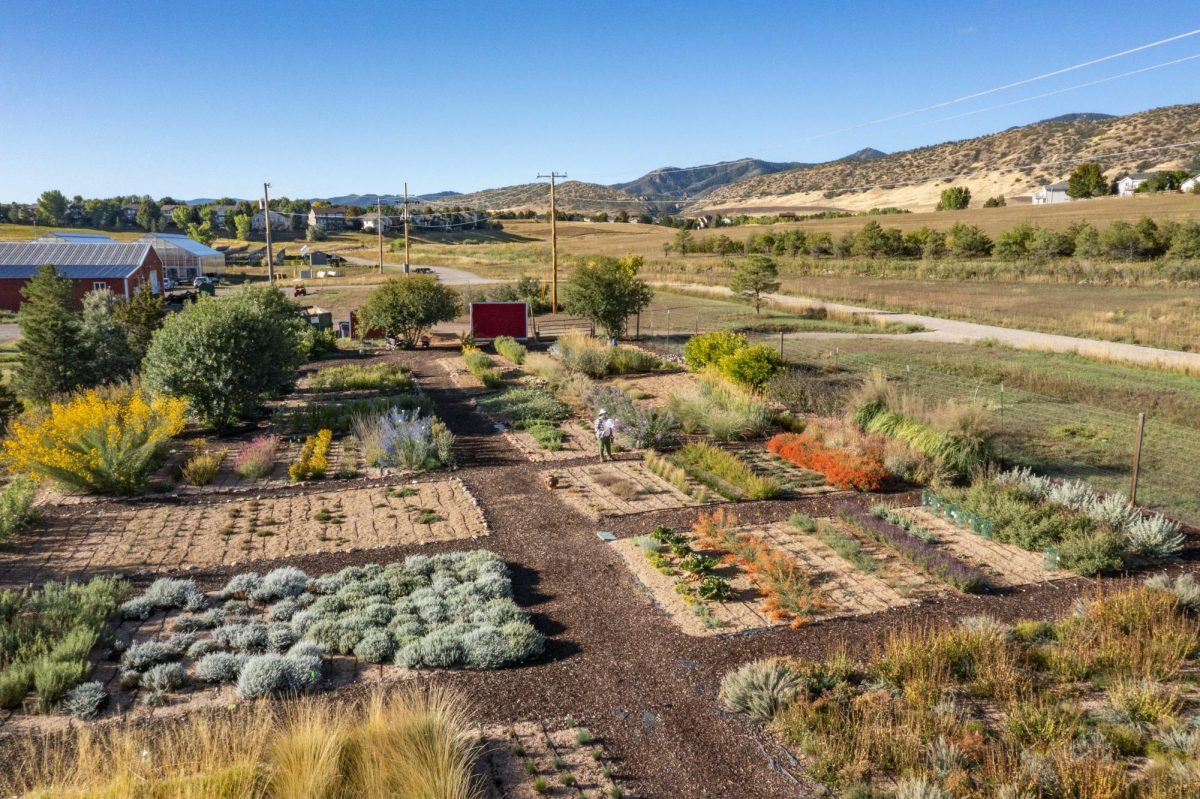
The program releases yearly plant recommendations for gardeners that are backed by yearslong research processes; the trial process, which primarily takes place at the Denver Botanic Garden’s Chatfield Farms location, possesses similar qualities Colorado gardeners face, said Michael Guidi, manager of horticulture research at the Denver Botanic Gardens and an advisory committee member for Plant Select.
According to Guidi, during the trial process, data is collected weekly, examining characteristics such as the plant’s growth, survival, water use and the presence of pests or pathogens. If a plant is non-native, the number of seeds and seedlings it produces and whether it poses a threat to local ecology is also considered.
He went on to explain the Plant Select program also breeds plants, keeping the same characteristics in mind. However, even if a plant is successfully bred, it doesn’t exempt it from the trialing process. Once the trialing process is done, reports on the plant’s performance are generated, and external evaluators visit the plants as an act of supporting market research efforts to finalize Plant Select’s recommendations.
As Colorado faces some of the most extreme drought conditions recorded in state history, Klett said Plant Select’s mission is relevant.
Pat Hayward, former Plant Select executive director, even noted that a former colleague called the program “drought insurance.”
“At the very beginning, it wasn’t totally focused on drought (tolerance),” Hayward said. “It was focused on (being) adaptable to our region. I think … as the water issues have gotten more critical, we’re really focusing more and more on that.”
This matters because about 40% of domestic water use is dedicated to the outdoors in Colorado, according to Water Education Colorado, a nonprofit that works to educate Colorado citizens about water usage.
“A Kentucky bluegrass lawn, which is kind of the standard that we’re working to kind of replace in our environment, will (use) anywhere between one inch to two inches of water a week in our climate to maintain it,” Guidi said. “When we’re testing and evaluating plants in our trial gardens, we’re giving them half an inch of water a month, and they have to be able to thrive on that. So we’re talking about a tenth of the water use of a Kentucky bluegrass lawn, which is kind of the standard reference point.”
This implies less stress on water systems and potentially avoiding water restrictions, Guidi said, calling these implications “critical.”
Gardeners may also be familiar with the benefits of native plants, which may include water conservation, protection from soil erosion and creating habitats and food for animals. Although many of the program’s plants are native, according to its website, Jennifer Bousselot, associate professor of horticulture and self-described native plant advocate who sits on Plant Select’s board of directors, said she hears people question the number of plants that are native in the program.
“My answer to that is always (that) all the lessons in science teach us that diversity is how you succeed in any system,” Bousselot said. “So having a large selection of plants is the critical factor.”
While Plant Select is familiar to the gardening community, Klett said most of the general public isn’t as aware of it, leading them to purchase plants from mass-merchandisers. Guidi said some people may prefer mass-merchandised plants because they think they’re more appealing.
“There are so many phenomenal examples that demonstrate that, you know, these are not mutually exclusive,” Guidi said. “You can have beauty and appeal without sacrificing, you know, exorbitant resource uses.”
Today Plant Select has grown into 13 different states and is working to expand research locations to other inner-mountain West states. Klett said he credits its success to the program’s three-legged partnership.
“It was fine to expand, but we weren’t going to change our mission,” Hayward said. “There was pressure, to be honest, … to help develop plants for other regions, and it’s like no, this is our purpose. It is just for us.”
Plant Select retailers may be found both online and in-person. Visitors may see the program’s selections at various demonstration and showcase gardens, including the CSU Annual Flower Trial Gardens.
Reach Chloe Rios at science@collegian.com or on social media @RMCollegian.