

Editor’s Note: All opinion section content reflects the views of the individual author only and does not represent a stance taken by The Collegian or its editorial board.
The rise in media remakes marks a collective dying attention span.
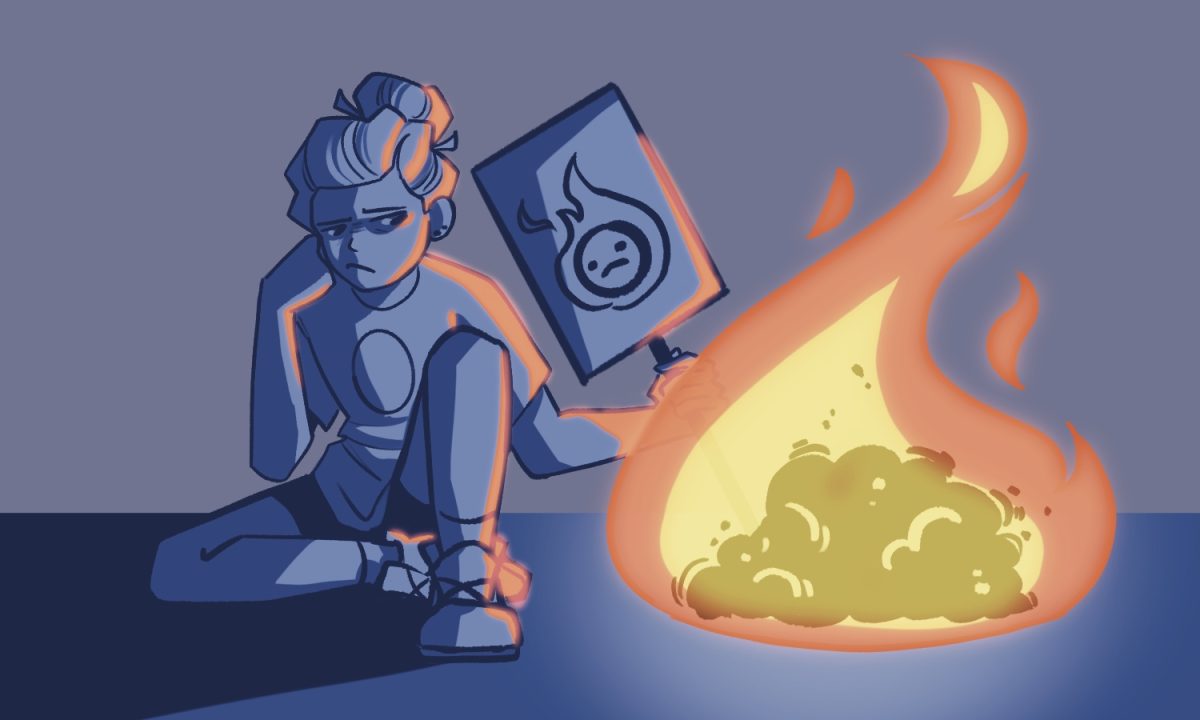
I sound like a broken record repeating the ubiquity of phone usage and the harms that surface from using multiple screens at once. While proven in things like the “second-screen experience” Netflix is adapting, there’s a greater cultural issue driving the demand for remakes: The American population has a growing fear of the future.
Nostalgia has a hold on our country that manifests in the media; cinema and TV act as a window into our history and overall temperament as a nation — they always have. As new innovations in technology, our current administration’s agenda and a growing class divide position big networks with a promising future, they can sit with comfort about the future while taking advantage of these fears with remakes.
There are greater risks in funding creativity and new ideas. With the guaranteed success of past productions and greed of Hollywood executives, remakes overwhelm our viewing choices. They do not often win awards, and they rarely even reach 50% on Rotten Tomatoes, but they do ensure clicks and rope in the devoted fans at a time when the greater population longs for optimism and nostalgia.
Screenwriters and directors used to have a relationship with the audience that relied on undivided attention. This created opportunities to showcase depth and create art that was interpretive. They were not telling the audience what a character did or the motive for their actions; symbolism and literary devices came to life in forms that separated cinematic storytelling from books.
With a decline in overall media literacy, current movies and TV do not challenge viewers to think deeper. They have lost educational benefit by succumbing to the demands of a country in an everlasting dopamine cycle — demands that allow remakes to thrive. Remakes require fewer of us to meet new characters and story arcs. Uncertainty is reduced when we already know the show’s form, direction and foundation.
Reducing uncertainty and soothing anxiety are the main functions that drive Hollywood’s current strategy. Not simply because of the strung-out implications that arise from attention deficiencies but because our country is overwhelmingly unstable.
Differing depictions of the future throughout the decades have specifically gauged America’s optimism in the past. Media like “The Jetsons,” “2001: A Space Odyssey” and “Star Trek” found success in portraying a future that allowed counterculture, innovation and change to thrive.
Even the era of TV and film in the early 2000s and 2010s — especially under the Obama administration — built a generation of Millennials who outscored Gen Z in positive outlook. Obama led this country after a recession, Silicon Valley boomed in opportunity and job creation, our President and his cabinet reflected the demographic makeup of our country, girlbossing and Me Too movements empowered women, and same-sex marriage was legalized. This sparked an era of television that broke barriers. Classic sitcoms like “Modern Family,” “Black-ish” and “Parks and Recreation” normalized the diverse identities and progressive family structures that defined a new American “normal.”
These shows brought so much comfort because they mirrored the country’s direction and temperament: stable — or at least close to it. By empowering young people new to the scene, we created transformative art that was not only successful and celebrated but trustworthy.
Five years from today feels impossible to predict. Our current administration silences new voices, bans books, rips people off the streets, makes the rich richer, funds technology that further kills our Earth and disintegrates entry-level and wage-working jobs. They target new voices and defund education, eroding our ability to understand and embrace new material. It pushes us further into nostalgia, forced to long for a time when safety and unification beat division and clickbait.
Remakes are not just a creative failure but a cultural one. They indicate a country that is tired, distracted and unsure of what’s to come. With audiences lacking the attention to engage deeply and the optimism to embrace something new, Hollywood stops taking risks. It authorizes what is familiar, what is safe and what requires the least from us.
But that negates the point of storytelling. It is not meant to be passive. It was meant to challenge its audience and push a culture forward.
This country is too exhausted from the news cycle to seek out challenging media. But if we continue this trend of rewarding recycled narratives, we not only risk losing originality but also our power as an audience to demand something better. Until we vote out the very people who got us here, Hollywood will continue to reflect a country burdened by their desire for the past in an unruly promise for the future.
Reach Caroline Studdert at letters@collegian.com or on social media @RMCollegian.