

Editor’s Note: All opinion section content reflects the views of the individual author only and does not represent a stance taken by The Collegian or its editorial board.
People have a warped image of what healthy looks like. Our culture has turned health into an aesthetic, not a lifestyle. When most think of a healthy person, they picture a movie star — someone with a 10-inch waist, a lifted booty, glassy skin and zero sugar tolerance.
Maybe this movie star’s got the so-called dream body, flawless skin and that confident Hollywood glow. It’s like she was born that way — perfect in many people’s eyes — but she didn’t just wake up like that. She’s had multiple personal trainers, works with a nutritionist and has a skincare routine that probably costs more than your rent. Her appearance is her whole career; she puts countless time and money into building her healthy look.
So if you’re comparing your health to a celebrity or an influencer, stop. Everyone’s body is different, and celebrities’ bodies are their brand and their job. You are setting yourself up for failure.
According to Merriam-Webster, being healthy simply means, “enjoying good health; free from disease.” Notice how it doesn’t say being healthy means to “have abs” or “drink bone broth every morning.” Being healthy just means taking care of your body and mind, however that looks for you. We have overcomplicated something that’s supposed to be simple.
Sure, diet and exercise matter, but it’s ridiculous how those two things dominate the conversation. Somewhere down the line, we decided that health means pushing yourself until burnout and then wondering why you’re miserable. What about sleep, stress management or screen time? What about the people you surround yourself with, or how often you actually go outside? Health is about the small, everyday choices that keep you functioning.
“True health isn’t about strict rules; it’s about balance and respect for yourself. That type of health lasts longer than any fitness or diet phase ever will.”
Social media has turned health into a competition. Reels of glorified morning routines and overpriced supplements make healthiness feel like a full-time job. Trends like #WhatIEatInADay or 5 a.m. morning routines convince us that health means waking up before the sun, making an elaborate avocado toast breakfast and meditating until we’re deep-breathed out. But health doesn’t require the algorithm; it’s about consistency.
Health isn’t just about looking fit; it’s about feeling like you’re not falling apart inside. What’s the point of exercising five days a week if you feel like death afterward? Recognizing what works for you is all you need.
I used to think that being healthy meant counting calories and walking 12,000 steps every day. When I felt overwhelmed about my health, I felt the need to lift weights or cut out sugar. But the truth is that sometimes health looks like sleeping in until 11 a.m., eating a whole pint of ice cream and writing in a journal. I recognized that I didn’t need to rejuvenate just my muscles and my stomach; I also needed to rejuvenate my lungs, my brain and my heart.
Health should never feel like a punishment. If taking care of yourself feels exhausting, it’s time to rethink what health actually means. True health isn’t about strict rules; it’s about balance and respect for yourself. That type of health lasts longer than any fitness or diet phase ever will.
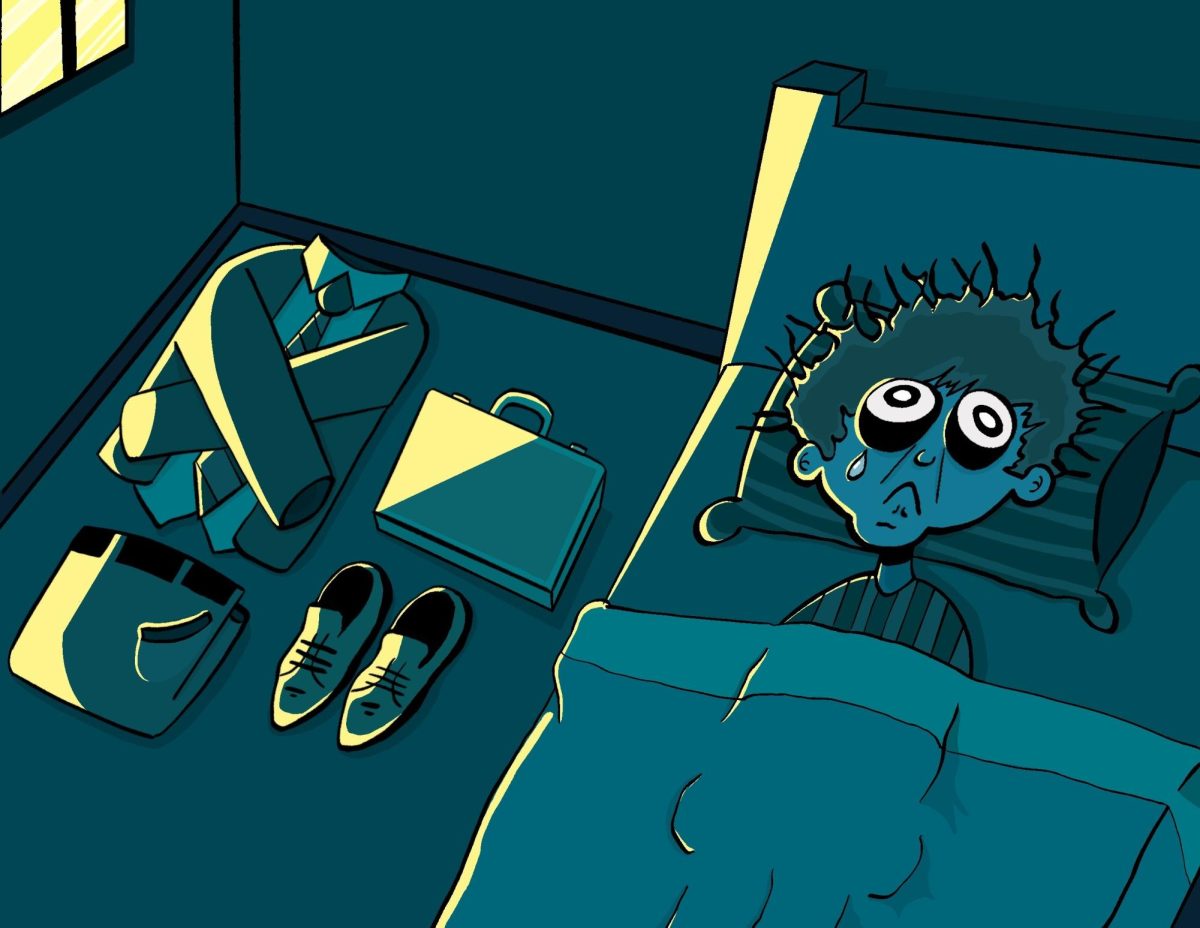
Mental health also affects our physical health. Stress, burnout and a lack of sleep can undo every effect from a good workout routine or diet. The healthiest thing you can do for yourself is rest or unplug for a while. A strong mental mindset is a healthy one.
You don’t owe anyone a picture-perfect version of your health; listen to your body and trust and show up for yourself — not to impress anyone, but because you deserve to feel good in your own skin. You only get one body, and only you can choose how to care for it. Do what it tells you, even if that’s eating a salad one night and a pizza the next. Healthiness means happiness, not perfection.
Reach Charlotte Seymour at letters@collegian.com or on social media @RMCollegian.