
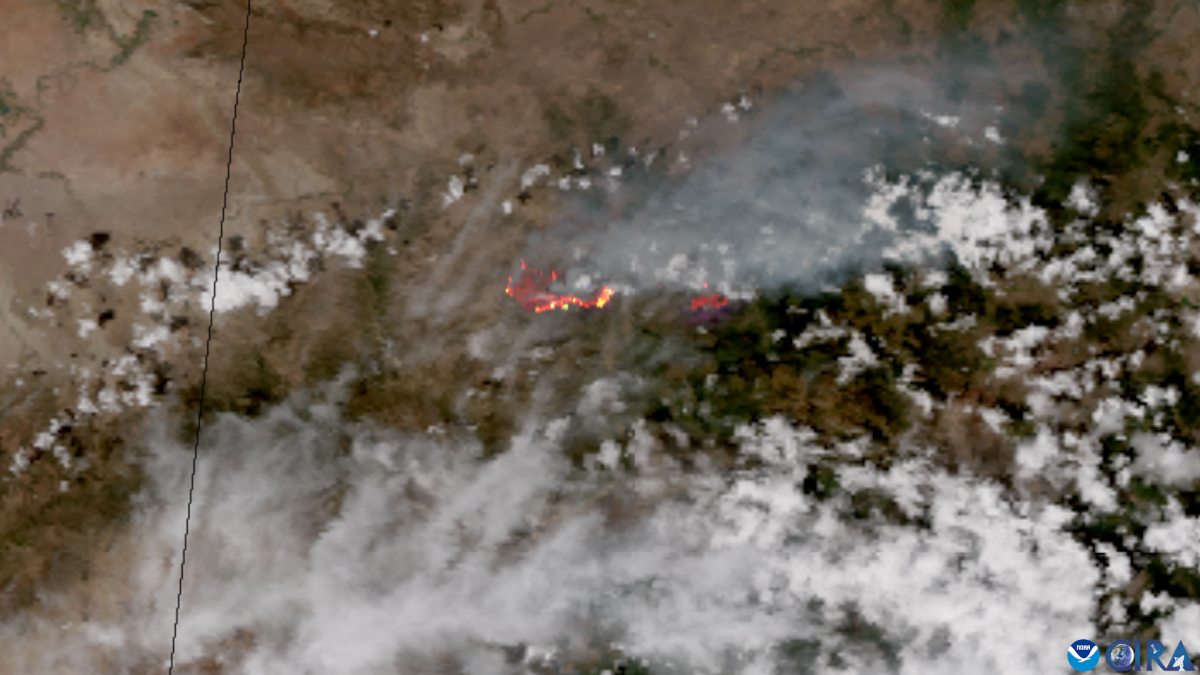
Lightning strikes ignited two wildfires in Rio Blanco County near Meeker, Colorado, Aug. 2, 2025, that burned more than 137,000 acres across Northwestern Colorado. The Lee Fire is now Colorado’s fourth largest fire on record. Despite significant damages and a long road to recovery ahead, the U.S. Federal Emergency Management Agency rejected Colorado’s request for $41 million in disaster aid, threatening stalled infrastructure repairs, increased financial strain on the state government and potential local economic collapse in affected areas.
The funding denial also raises questions about Colorado’s prospects for federal funding under President Donald Trump’s administration. Some lawmakers have been labeling it as a form political punishment against the Democratic state for the controversial conviction of former Mesa County Clerk and Recorder Tina Peters, who was charged with election interference in the 2021 elections.
Reece Melton, the natural resources policy director with Rio Blanco County, explained how farmers and ranchers in Rio Blanco County experienced major damages to their grazing land, fences and water sources from the fire and subsequent flooding.
“Some of these livestock producers are probably not going to be able to return to their allotments for two or three years, which is a really big deal for those individual producers because they rely heavily on these public land leases to raise their cattle,” Melton said.
“Trump continues to use Coloradans for political games; it is malicious and obscene. A disaster is a disaster, regardless of what state in the country it took place.” –Michael Bennet, Colorado senator
White River Electric Association, a rural electric distribution cooperative serving Rio Blanco County, also retained significant damage to their electrical infrastructure.
“The issue is … the co-op can’t necessarily pay out of pocket to replace all of that,” Melton said. “They’re relying pretty heavily on some of those FEMA funds to assist with that. It’s a huge challenge. I mean, we’re talking millions and millions of dollars for just White River Electric alone.”
White River Electric Association provided The Collegian with information on the widespread damages to their electrical infrastructure, including hundreds of damaged distribution and transmission poles, along with power lines that spanned across more than 30 miles in Rio Blanco County. The damaged transmission lines supply power to oil and gas operations that support local jobs and increase tax revenue for the county.
“In total, WREA estimates $23.6 million dollars in damage, and those estimates ebb and flow slightly as we continue to rebuild,” the statement reads.
The denied FEMA funding would have gone toward repairing damaged poles and power lines and, in turn, providing economic relief to the affected areas. Without the funding, there is potential for the cost of damages to be passed onto consumers. In his experience, Cole Buettner, a research associate with the Public Lands Policy Group at Colorado State University, said the denial of funds is highly unusual for a fire of this scale.
“I’ve never really seen a disaster declaration get denied like this, especially for the fourth largest fire in Colorado,” Buettner said. “It’s a little weird.”
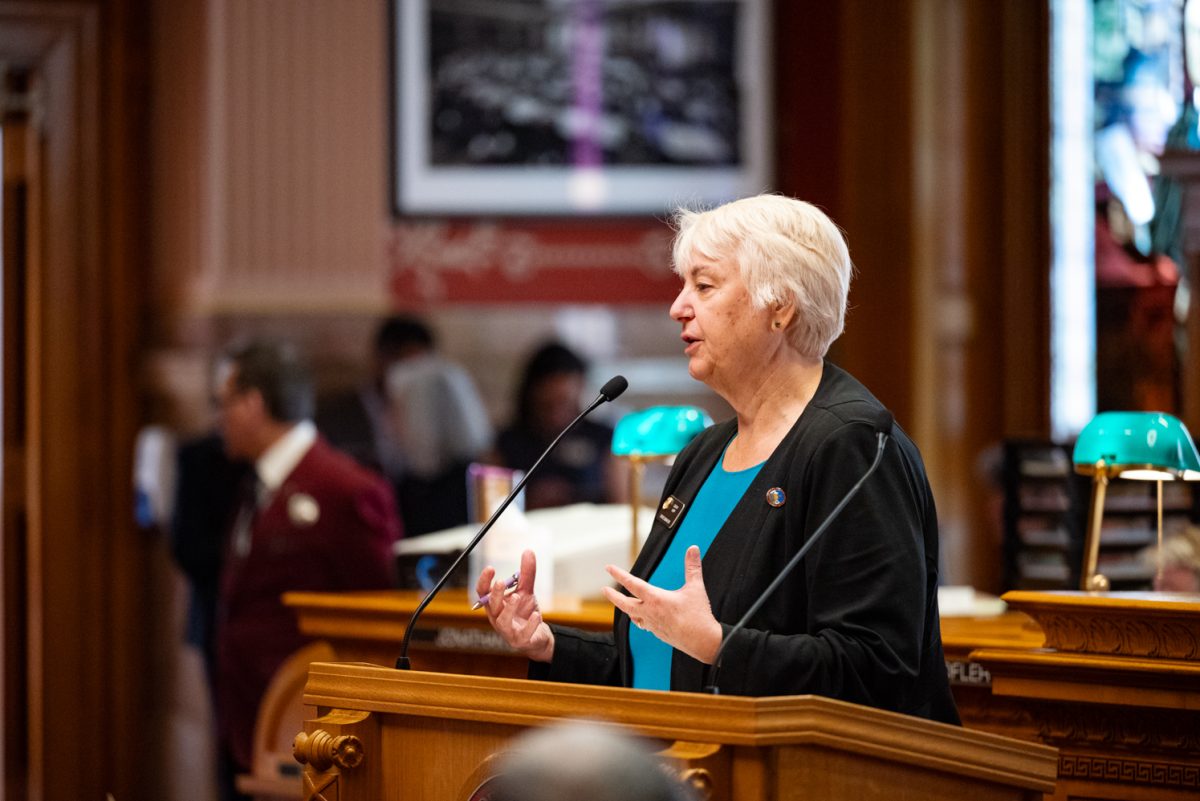
Governor Jared Polis and Colorado Senators Michael Bennet and John Hickenlooper submitted an appeal to the Trump administration asking them to reconsider their request, as well as suggesting to the administration that the action is a form of retaliation against the state.
“Trump continues to use Coloradans for political games; it is malicious and obscene,” the statement from Bennet reads. “A disaster is a disaster, regardless of what state in the country it took place.”
Buettner spoke further about the implications that the lack of FEMA funding could have on \ affected communities.
“What’s going to end up happening is that these communities will never fully recover, to some extent,” Buettner said. “Not having that federal support, I can only imagine, makes it more difficult.”
The funding rejection comes with a string of actions taken by the federal government, including the announcement that the U.S. Space Command will be relocated out of Colorado Springs, the cancellation of more than $608 million in funding for clean-energy projects and plans to dismantle the National Center for Atmospheric Research in Boulder. Matthew Hitt, an associate professor of American government and politics at CSU, said this trend is alarming.
“It’s deeply concerning that you’d have to say, ‘Well I sure hope the president is a member of my party (or) the big party in our state, otherwise, we’re not going to get the help we need,’” Hitt said.
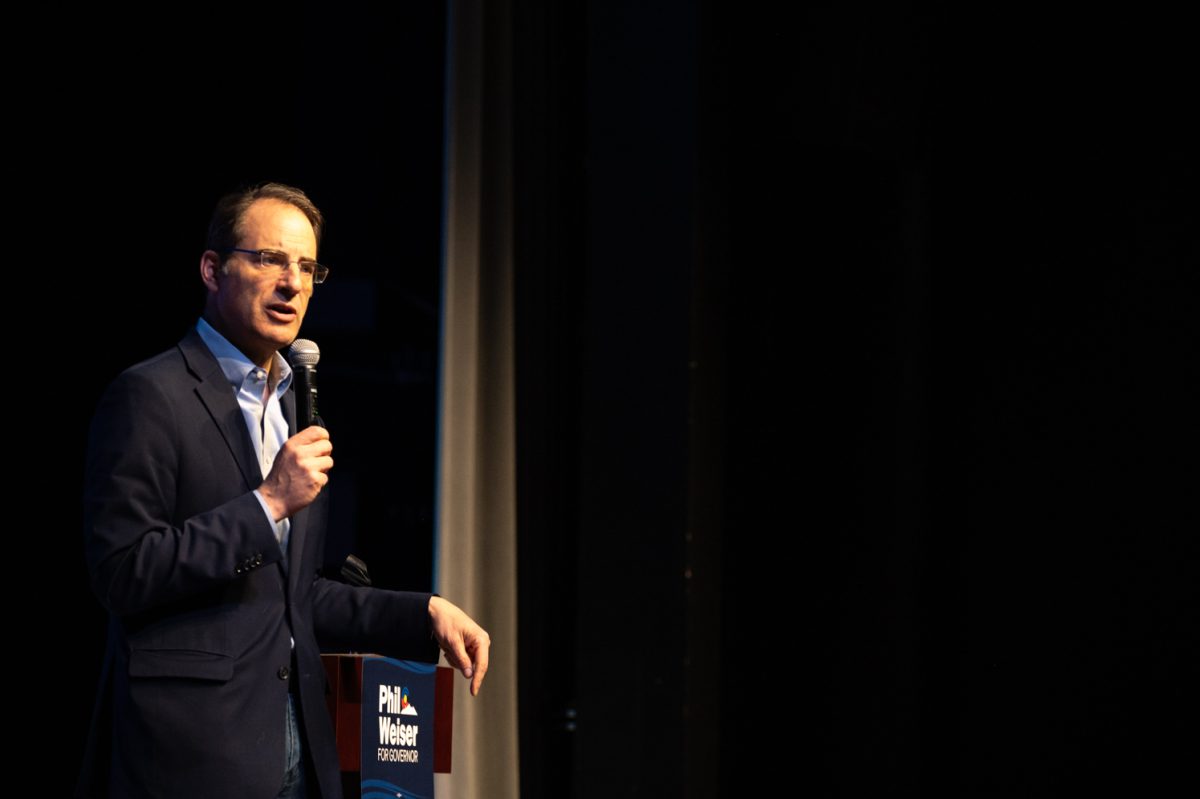
Hitt also explained how the rejected FEMA funds and broader actions affecting Colorado could serve as a talking point during the upcoming election for governor in November.
“I think how the next governor of Colorado approaches the state’s relationship to the federal government during the second Trump administration is going to be a very important thing that I expect the candidates to do a lot of talking about,” Hitt said.
Reach Claire VanDeventer at news@collegian.com or on social media @RMCollegian.