
The mind and the body are arguably the most important tools human beings have. Because they’re used for everything, it’s easy to take them for granted until they’re no longer functioning the way they used to. This is where Colorado State University’s Human Performance Clinical Research Laboratory, also called the HPCRL, comes in.
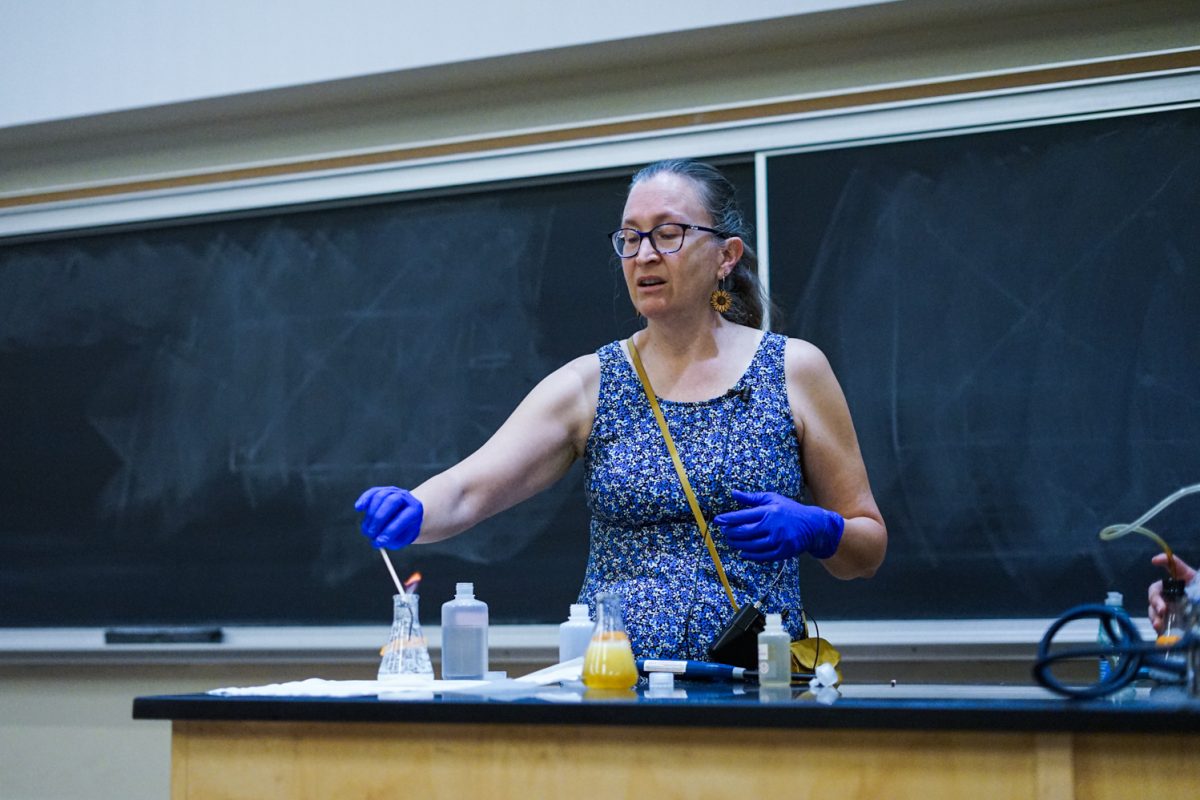
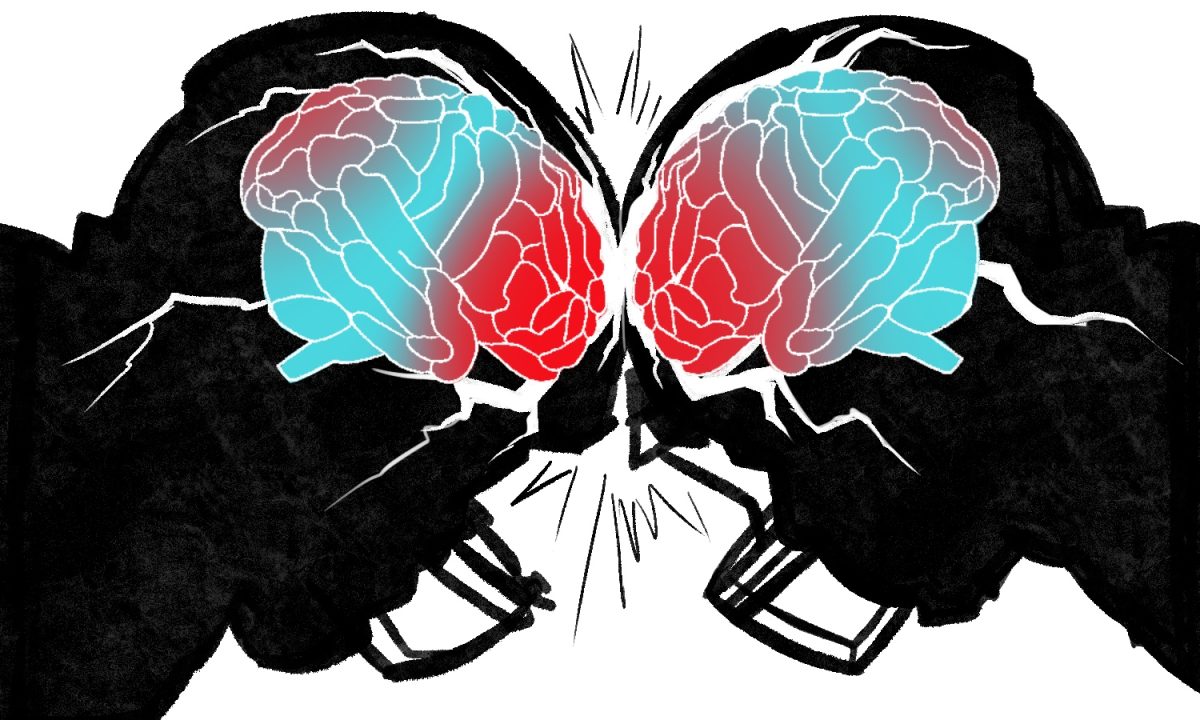
Comprised of a number of individual labs that research different topics, the facility produces a variety of research on the topic of health and wellness. One group in particular, known as the Brain Research Advances in Neurological Conditions and Sports Concussion Rehab Medicine Lab, focuses on the effects of sports-related brain injuries.
The HPCRL is home to 11 faculty-run research labs and several outreach programs. It was first established in 2000 by former department head of health and exercise science, Richard Gay Israel. The facility has grown significantly since then, with labs focusing on different aspects of aging, chronic disease and injury.
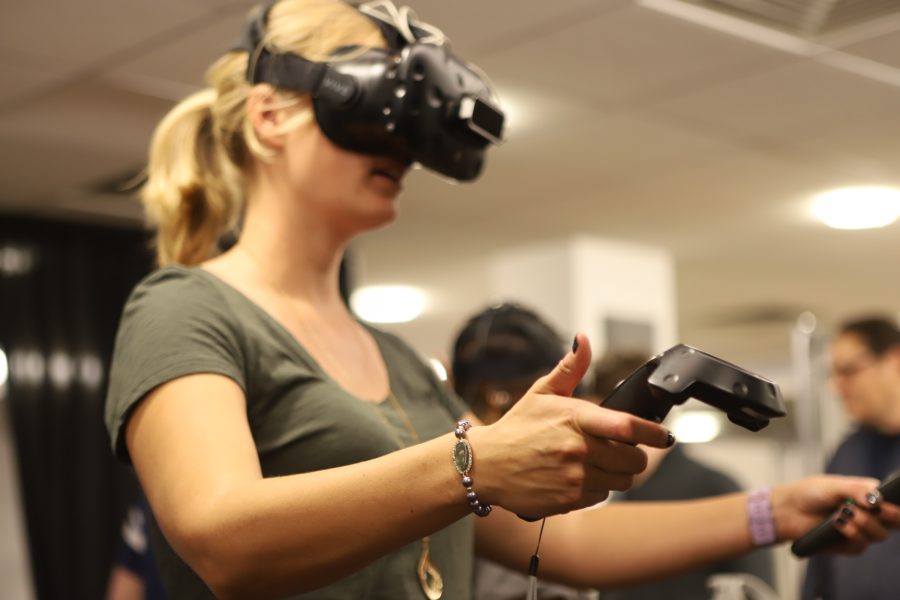
The HPCRL contains a variety of health and metabolic technology as well as analytic equipment. This allows researchers to collect and process data on-site. The overarching goal is to produce research programs and graduates who can help people improve, protect and maintain health and quality throughout their lives, explained Manager of HPCRL Research Operations Laurie Biela.
“(We study) really not how long are you living, but how are you living as you age,” Biela said. “Everybody’s doing something a little bit different, but it’s all under the umbrella of enhancing health span.”
Formerly known as the Sport Concussion and Occupational Rehabilitation Lab, the facility was renamed to the BRAINSTORM Lab. Research is now conducted on all sorts of traumatic brain injuries, and a new name was proposed to reflect this growth.
“It’s also (BRAINSTORM Lab) to generate good research; we’re brainstorming,” said Jaclyn Stephens, BRAINSTORM Lab director and associate professor in the College of Health and Human Sciences. “It’s a collaborative effort to come up with good ideas.”
Currently, the BRAINSTORM Lab is approaching a crossroads, wrapping up current projects and planning for the future. Stephens spearheads research on the effects of brain injury. To accomplish this, two main types of data are collected: neurological imaging and behavioral assessments.
This combination of brain scans and clinical studies provides researchers with a picture of how injury affects brain function. Stephens first became interested in this area of research during her time working as an occupational therapist.
“Sometimes the evidence wasn’t there to really know how we could best help people, so I wanted to directly contribute to the evidence base of my profession,” Stephens said.
The lab’s research focuses not only on the initial impacts of a traumatic brain injury but also the effects of an intervention.
While intervention is a broad term, at the BRAINSTORM Lab, it has primarily been utilized through yoga exercises adapted for those with brain injuries. Comparing where people start to where they are after an intervention is an important area of research, which reveals the impact that these activities have, Stephens said. In addition to yoga, the lab has also looked at the effects of exercise and will examine group education in the future. All of this is done with one objective in mind.
“We know that brain injury can be really problematic for people, and our big picture goal is to understand brain injury better and improve outcomes for folks,” Stephens said.
Even what is considered a “mild” injury can make everyday tasks, such as attending school, work or hobbies, difficult, Stephens said. Today, the lab comprises several graduate and undergraduate students who conduct research under Stephens. CSU students are always welcome to reach out to Stephens to gain a better understanding of the lab and gauge their level of interest in her area of research.
Reach Hayley Bisant at science@collegian.com or on social media @RMCollegian.