
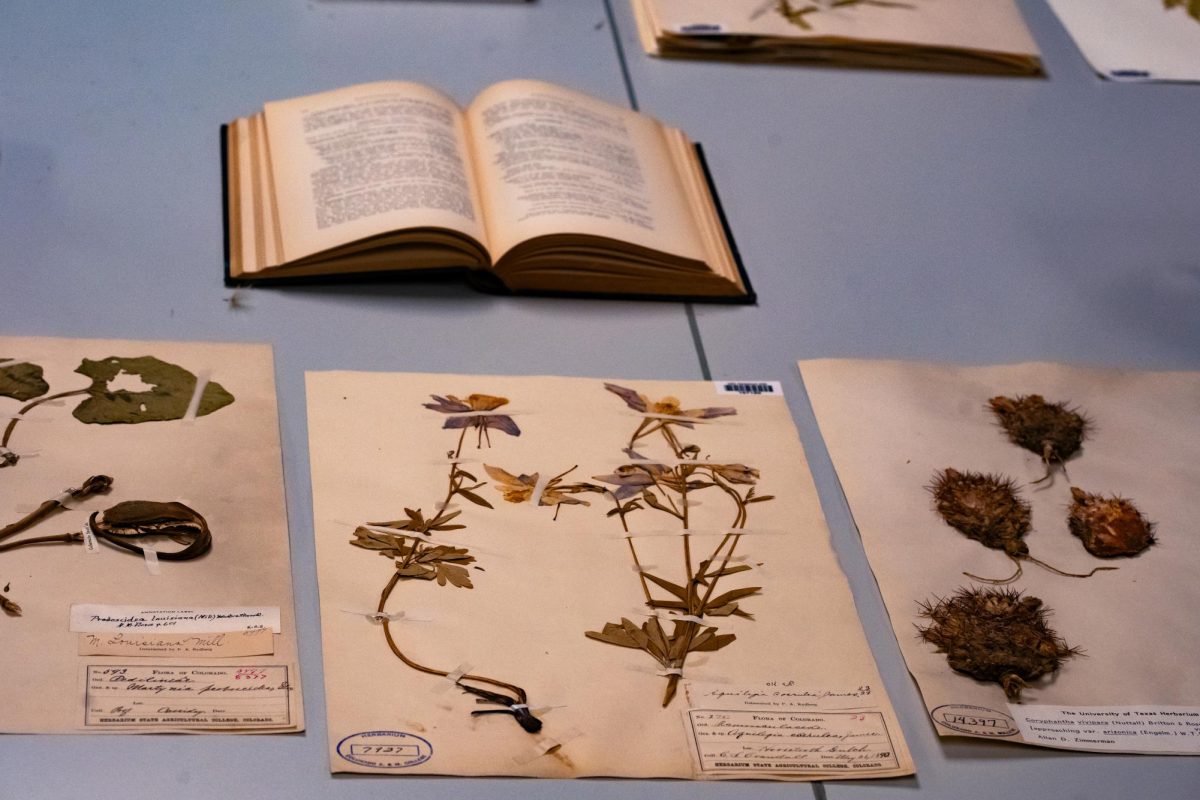
Imagine the smell of decades-old Valerian as you look at plants from the 1800s; while these specimens seem like something that can only be read about in history books, they are just a few examples of real samples still contained today at Colorado State University’s Charles Maurer Herbarium Collection.
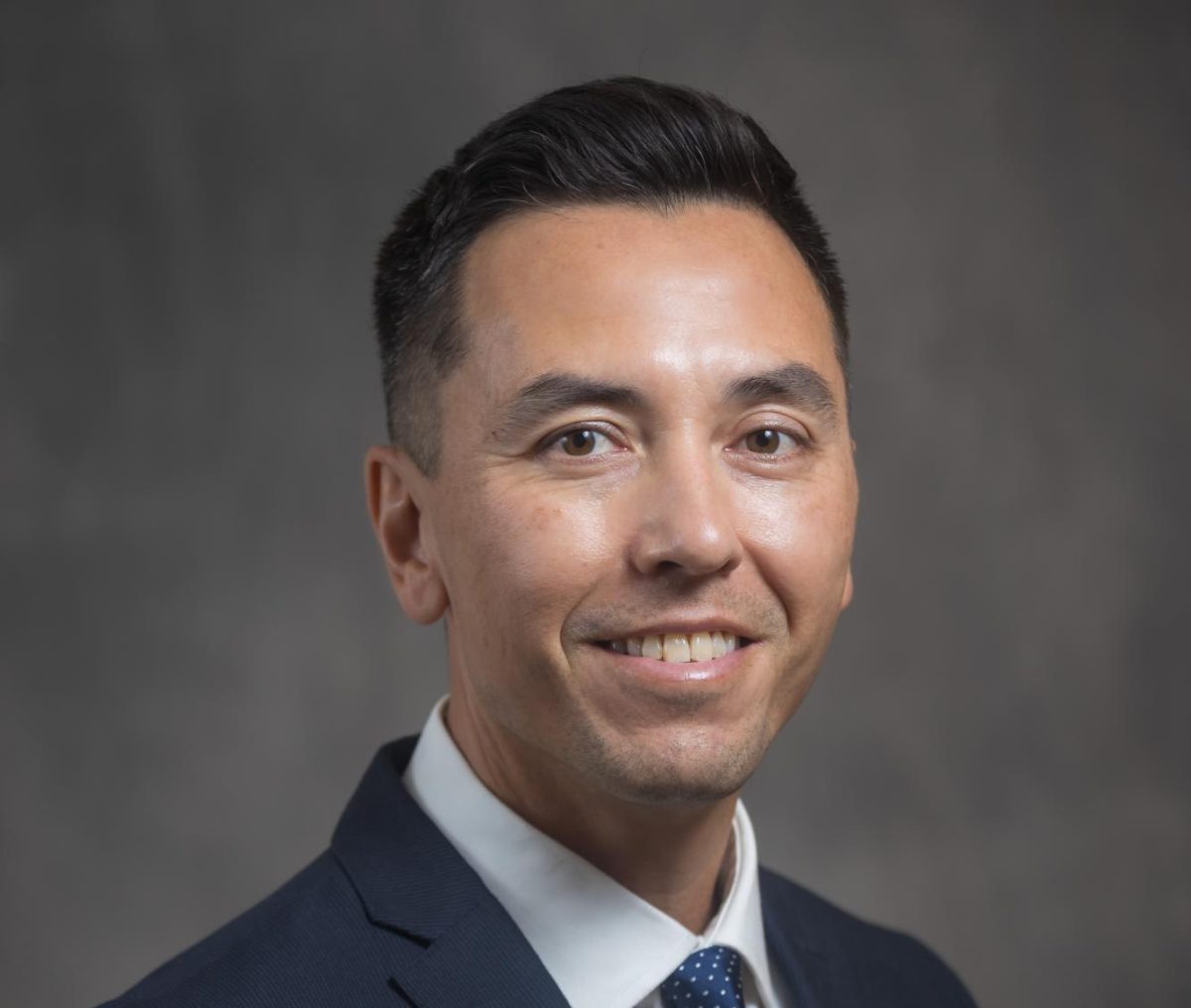
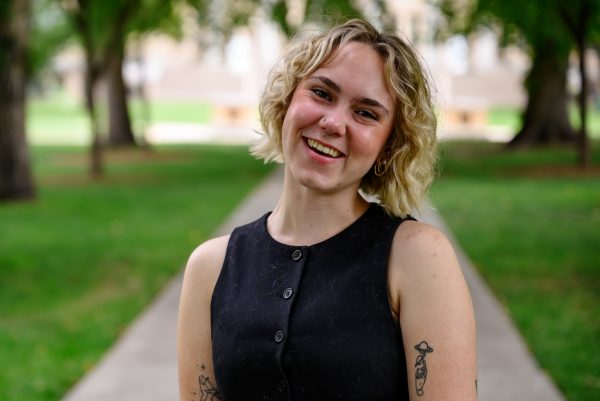
Head Curator Jennifer Ackerfield oversees the collection and ensures preservation and proper presentation of specimens. Once a graduate student at CSU, she now splits her responsibilities as curator with her other role as an assistant professor. When in the herbarium, she works with a collection of over 100,000 specimens, including some of the oldest in the state, dating back as far as 1861.
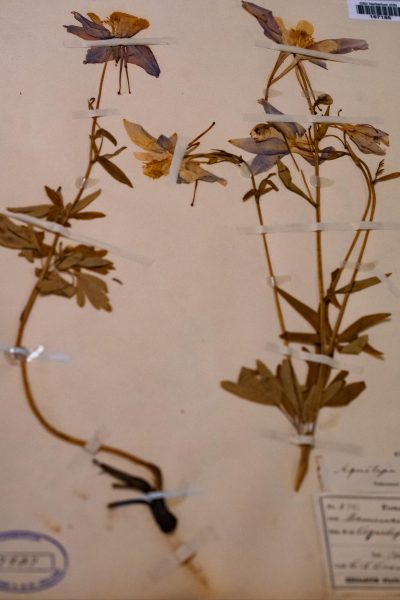
Unlike a greenhouse, the herbarium serves as a record of plant specimens for scientific data. The plants are no longer living but are stored and labelled to show where the specimen came from, when it was collected and who collected it. This information allows scientists to determine historic species ranges and answer a multitude of research questions.
The museum was founded in 1883 by James Cassidy, a botanist who collected many of the earliest herbarium specimens around the nearby Front Range area. With the absence of labelled locations, it can’t be determined where exactly these specimens were collected, but they do remain in the herbarium today.
The herbarium’s first official curator, Charles Crandall, recorded his locations, revealing that most of his time was spent collecting in the Fort Collins area. He worked with his assistant, Jacob Cowen, and together they collected around 4,500 specimens.
It was this groundwork that enabled “Flora of Colorado“ to be written in 1906 by Per Axel Rydberg. Ackerfield found the search for the herbarium’s early curators to be a challenge, especially Jacob Cowen.
“I couldn’t find anything about this man,” Ackerfield said. “And the one year he graduated was the one year that the archives didn’t have a yearbook.”
It wasn’t until she searched genealogy websites that she found him to be related to Enos Hotchkiss, founder of Lake City, Colorado, and Hotchkiss, Colorado. After reaching out to residents, she was finally able to contact one of Cowen’s relatives, who shared entries detailing daily life from his diaries.
After graduating in Colorado, Cowen received a Ph.D. at Cornell before moving to Michigan. Cowen was asked to return to Colorado to serve as curator for the herbarium.
“He accepted the job,” Ackerfield said. “Then, he died.”
Cowen passed away of acute appendicitis. He never got to work on “Flora of Colorado,” and the first wouldn’t be published until the early 1900s.
A flora differs from a plant field guide in which, instead of listing information to identify the plant, the flora is a reference tool that assists users in identifying a species in an area.
Over a century later, Ackerfield wrote “Flora of Colorado, Second Edition,“ published in 2022, which is used by those in the herbarium today. Several volunteers also support the herbarium, including undergraduate student Rebecca Johnson.
“I did an internship (in the herbarium) at CSU for a semester,” Johnson said. “I love working with plants and just enjoy identifying them.”
Johnson started her college journey interested in ecology and is now passionate about molecular biology, but said she still enjoys spending time at the herbarium.
Ackerfield encouraged students, even those following different career paths, to get involved with the herbarium.
“This is a resource for everyone,” Ackerfield said. “All these specimens are imaged. They’re available online.”
Anyone can access this data and use it in research contexts. Ackerfield emphasized the herbarium’s potential for interdisciplinary use, whether as inspiration for creative writing or in data science, for example. The herbarium isn’t just a space for scientists; it serves as a glimpse into Colorado’s past and is paving the way for current discoveries.
Reach Catherine Schadegg at science@collegian.com or on social media @RMCollegian.