

January was a busy month for the Fort Collins City Council, marked by leadership changes, major infrastructure funding decisions and policy moves that will shape housing, transportation and public safety in the city. Here is a recap of all the work city council did over the past month.
New leadership took office
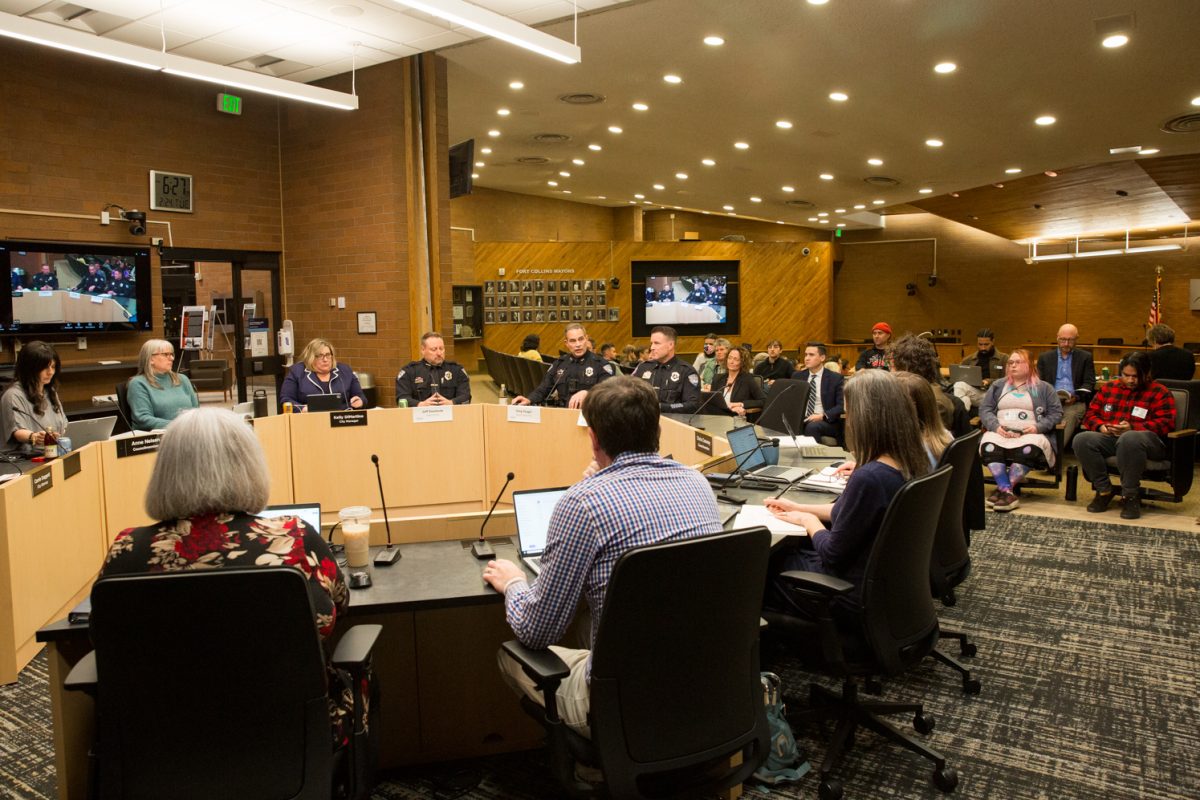
The City Council began their work this year Jan. 6 by swearing in newly elected officials, including Mayor Emily Francis and four new council members representing Districts 1, 3 and 5. Council filled the District 6 vacancy created when Francis moved from councilmember to mayor with Anne Nelsen, who will serve through January 2028.
Council also elected Julie Pignataro of District 2 as mayor pro tem, meaning she steps in when the mayor is absent and helps guide council agendas and policy development.
Building codes temporarily paused
Council approved an ordinance temporarily delaying implementation of new Building Codes until April 1. This keeps existing building standards in place while the city clarifies how the new codes will be applied.
Building codes influence housing costs, construction timelines and energy efficiency. A pause helps avoid confusion for builders and developers, which can ultimately affect housing availability and rent prices in Fort Collins.
“We don’t have a silver bullet,” said Josh Fudge, councilmember for District 3. “But what we can do is control how long it takes and some of the regulations that we put on builders that can delay projects or drive up costs.”
Major funding for transportation, stormwater, safety projects
Council approved several funding measures tied to infrastructure and safety, including:
- $1.34 million in additional funding for the Oak Street Stormwater Improvement Project, including public art elements, to be completed by Dec. 31.
- Over $835,000 in grant funding for the Irish Elementary Safe Routes to School project, improving pedestrian and cyclist safety in collaboration with the Colorado Department of Transportation.
- Authorization of regional transit agreements supporting the FLEX bus route, connecting Fort Collins with surrounding communities.
- Approval of quarter-cent sales tax funding to continue voter-approved transportation projects, launch an Affordable Housing Capital Fund and support a future Community Bike Park initiative. This tax funding measure will provide approximately $11 million to Fort Collins annually until December 2035.
Together, these measures signal a continued emphasis on long-term infrastructure and mobility, prioritizing projects that shape how residents access transportation, public space and housing across Fort Collins.
Preparing for housing, economic policy changes
In work sessions and a City Council retreat, councilmembers reviewed:
- State-mandated transit-oriented development rules, which could allow denser housing near transit centers.
- Updates to the city’s economic development policies, including how Fort Collins supports businesses and jobs.
- Long-term demographic and labor trends shaping housing, affordability and city services.
These discussions lay the groundwork for future decisions on housing density, affordability and economic growth: issues that directly impact students, workers and renters.
The transit designation allows the city to “change its process for approving denser residential developments in areas that are already served by transit,” Fudge said.
Council directed staff to designate major corridors, including the Harmony Corridor, which borders Colorado State University-affiliated residential areas.
Additionally, Fort Collins is navigating revenue constraints that have created broader budget challenges.
“Fort Collins has been roughly half of the total population of Larimer County, but they used to generate about 60% to two-thirds of their sales tax in the county because it was a regional retail hub,” Fudge said. “But over the past two years, that’s really switched, and it’s become 50/50.”
Fudge said the shift has put the city’s finances “in a bit of a bind,” making strategic investment and economic development a priority for the new council.
“The city really hasn’t had a strategy to try to attract retail here in the city,” Fudge said, adding that the council is now exploring tools, like tax rebates, to attract businesses that bring primary employment.
Fudge emphasized attracting primary employers, so CSU graduates and families can find jobs and afford to stay in Fort Collins after graduation.
What’s next
Many January actions were first readings or planning discussions, meaning final decisions are still ahead. Council’s retreat outcomes and ongoing work sessions will guide policy debates this spring on housing, transportation and budget priorities.
For students and residents, January showed a City Council focused on infrastructure investment, housing preparation and governance transitions, setting the stage for a busy year ahead.
Fudge said the council’s final priorities, expected to be adopted March 3, will “drive our workload for the next few years.”
Reach Maci Lesh at news@collegian.com or on social media @RMCollegian.