

Editor’s Note: All opinion section content reflects the views of the individual author only and does not represent a stance taken by The Collegian or its editorial board.
Record-low drinking rates, clean girl aesthetics, sourdough blogs and peace protecting — Generation Z is boring, and our frequency on social media is creating a monoculture of puritanical lameness.
This revelation arose five years ago when I watched “The Boys in the Band” on Netflix, a screen adaptation of the 1968 play. The movie takes place at a birthday party in New York in 1968, featuring seven gay men and their friend group dynamic. Though it’s a somber yet comedic movie covering the horrible marginalization and reality of being a gay man in the late ’60s, one of the most profound feelings I had was, selfishly, envy.
Albeit a ridiculous confession — and not to ignore the struggles of the LGBTQIA+ community during a time of intense discrimination and forced secrecy — the way the film portrayed its eccentric, complex characters against the backdrop of a sexual and artistic revolution developed a longing for the individuality and unapologetic quirks that have defined earlier generations.
In comparison to the decades before us, the cultural trends of our generation are a truly embarrassing contrast. While the historical moments of certain times shaped such vibrant countercultures, as the country has socially progressed, sex — as an action and a symbol of liberation — is hitting a minimum, and its dogmatic consequences are already surfacing.
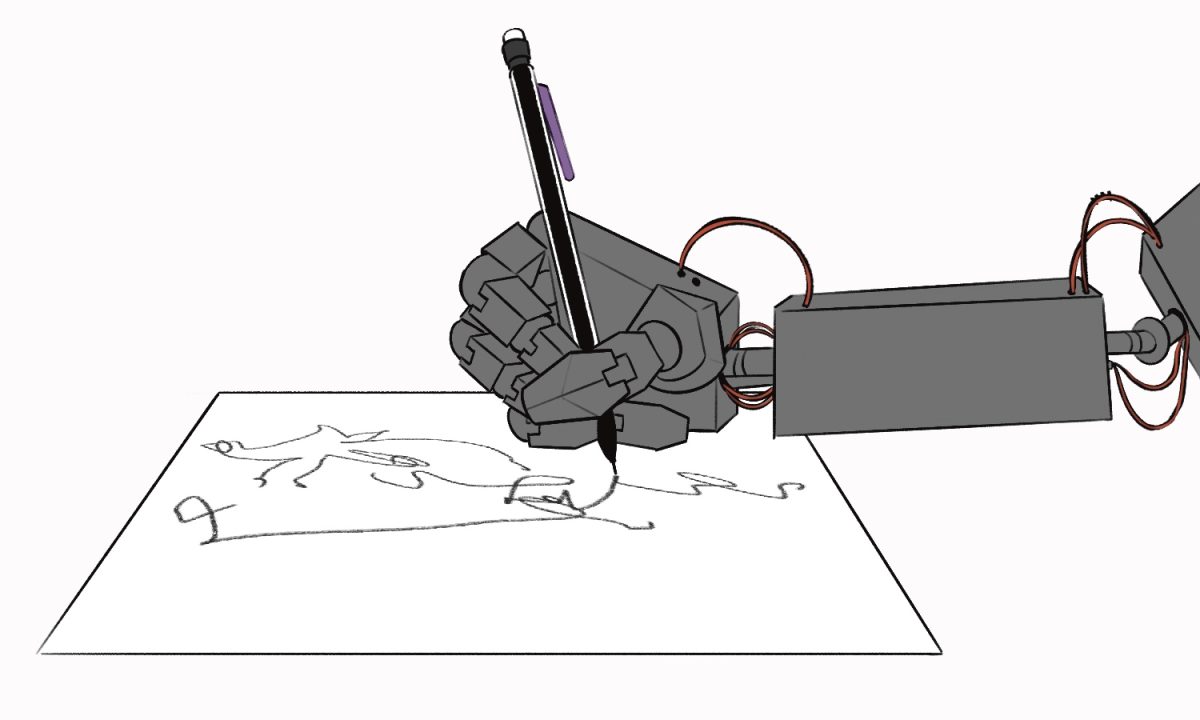
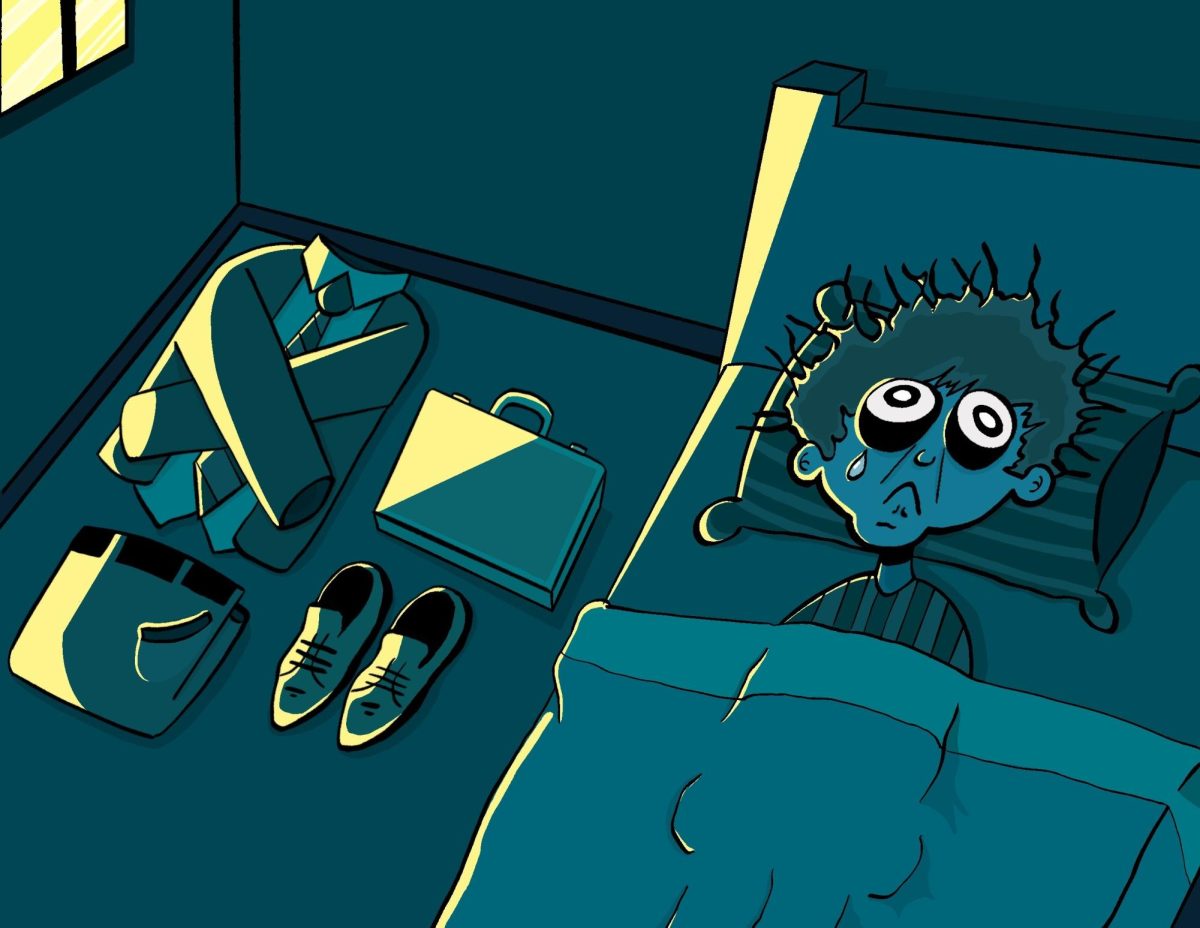
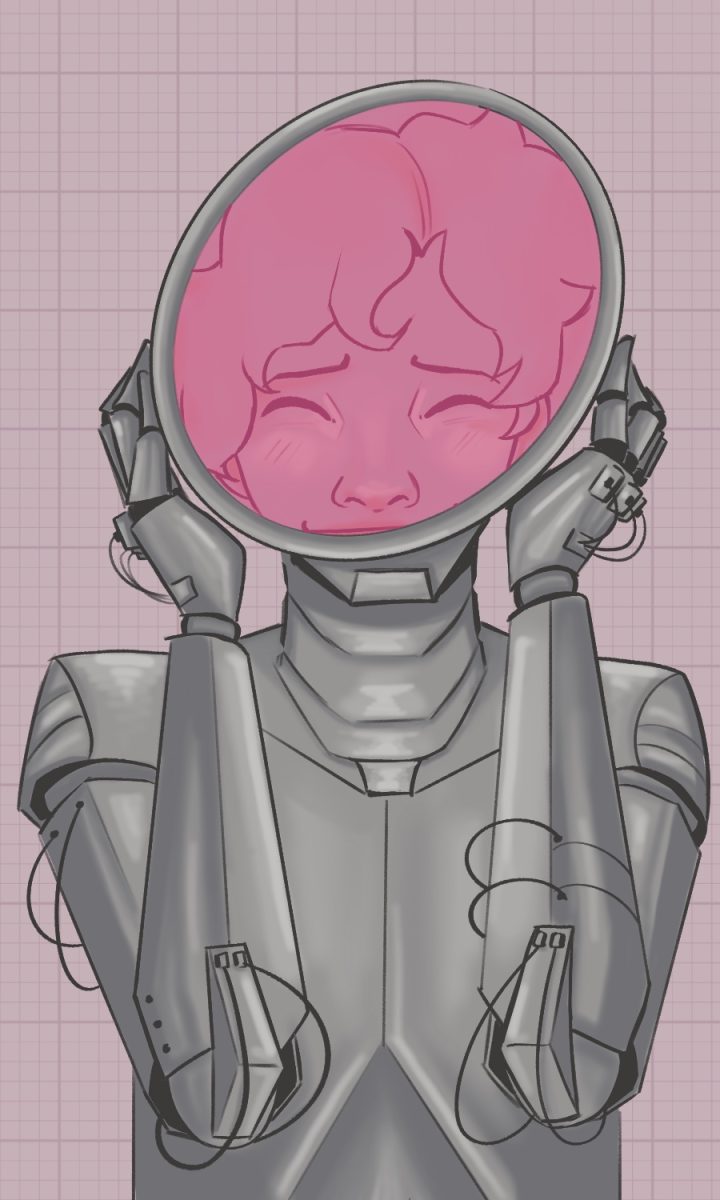
Today, a new gospel of personal discipline is the ironic outcome of sexual accessibility. Some college-aged care more to “honor their body, get stronger and follow God.” While a wholesome shift in terms of health and morality, this is a dull mantra for the youth group raised on limitless creation and exposure. Comparison and self-consciousness have become Gen Z’s defining temperaments; our digital age keeps us too invested in other people’s lives to even begin to recognize the beauty of our own. This random standard setting, currently the utmost rapid and attainable media, makes creation and interaction all too anxiety-inducing.
“Gen Z should not fear desire, for it is what forms movements of creativity in art, song, dance and personality.”
Pornography also specifically spearheads the elusiveness of dating, sex and intimacy. All the validation, stimulation and satisfaction is being outsourced, thus desensitizing us to the desire for the real thing. It is an easy substitution to fulfill these needs, but it surely is sad and loserlike.
This sexual regression is also plenty prevalent in the party music of our generation. Whilst other generations had the freedom of the disco, the bold self-expression of the ’80s pop scene, the thirsting of boy bands and the sexual nature of club anthems from Nelly, Usher, Ciara and more, Gen Z has the existentially uneasy “Brat” by Charli XCX as its club backdrop. Referred to as “the core of Gen Z’s identity” by cultural bloggers, the album’s songs, like “Sympathy is a Knife” and “Talk Talk,” describe apprehension toward physical interaction and constant insecurity around public gatherings.
We are so far gone that the opportunity for escapism in the club instead has a reminder of embarrassment and self-doubt blaring in our ears. The DJ practically has no one falling in love tonight; the DJ put us in the corner to think about the consequences of our actions instead.
Ultimately, the problem is not inherent monotony; it is that our generation is petrified of being seen wanting something. Although perceived as more wholesome, minimal and disciplined, we are the generation that is the most insatiable. Gen Z should not fear desire, for it is what forms movements of creativity in art, song, dance and personality.
In this time of distress and conservative descent, we must rediscover our souls outside of consumerism and content. It will not develop in attempts to look put together; it will be found on the dance floor, in conversation and in vulnerable quests. Every impulse should not be tamed, but rather translated into reckless joy that breeds culture.
Reach Caroline Studdert at letters@collegian.com or on social media @RMCollegian.