

The Federal Grad PLUS Loan program will be eliminated for new borrowers under the One Big Beautiful Bill Act — also known as H.R. 1 — beginning July 1, significantly reshaping how graduate and professional students finance their education. For students at Colorado State University, particularly those pursuing veterinary medicine and other scientific disciplines, the change introduces new uncertainty into an already expensive academic path.
For years, the Federal Direct Grad PLUS Loan program allowed graduate and professional students to borrow up to the full cost of attendance, covering tuition, fees and living expenses beyond federal direct unsubsidized loans limits.
Master’s and some doctoral students will be capped at $20,500 per year, with a $100,000 lifetime borrowing limit in direct unsubsidized loans, while some veterinary students will be capped at $50,000 per year with a $200,000 lifetime borrowing limit. Some income-driven repayment options will also be phased out or replaced.
For many professional degree-seeking students, these limits fall short of the total cost of attendance, particularly in programs like veterinary medicine.
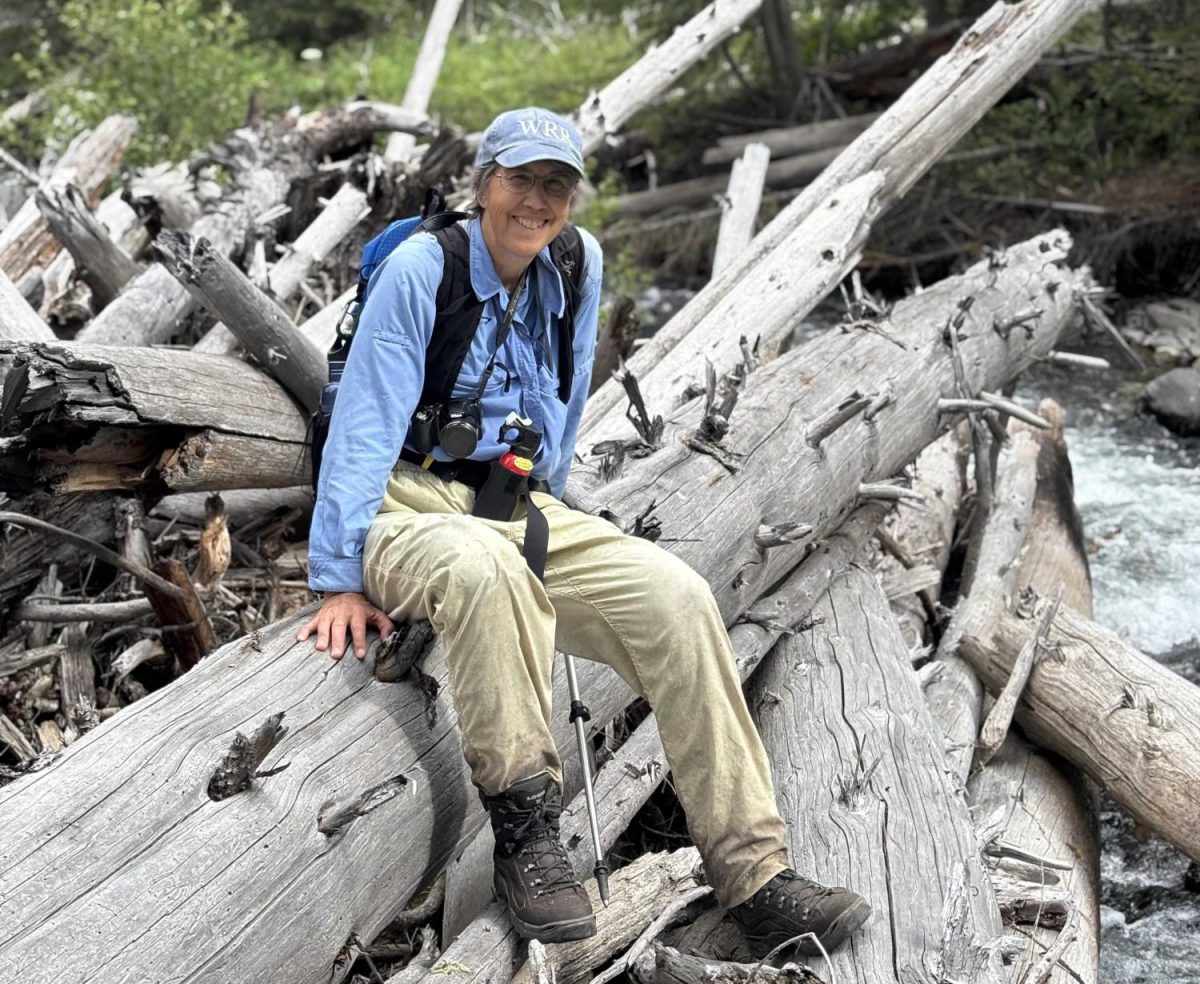
Susan VandeWoude, dean for the College of Veterinary Medicine and Biomedical Sciences at CSU, said she does not anticipate an immediate drop in enrollment.
“We don’t expect any changes to enrollment based upon the student loan program,” VandeWoude said. “Though, we are concerned that some students we admit may be unable to accept a position in the program because of financial concerns.”
CVMBS awarded more than $2 million in scholarships to DVM students last year, and VandeWoude said increasing scholarship funding remains one of the college’s top fundraising priorities. She also noted that broader impacts, such as effects on research programs or rural veterinary initiatives, would likely be indirect and tied to individual students’ financial decisions rather than institutional changes.
Adrienne Marcus, director of veterinary student services, emphasized that the removal of Grad PLUS loans represents a substantial change in financial planning and that the veterinary student services team is developing strategies and resources to help students navigate these changes.
“We are already seeing its removal change how veterinary students plan to finance their education,” Marcus said. “Some students who rely on loans will need to turn, at least in part, to private loans, which do not offer the income-driven repayment options available through federal programs.”
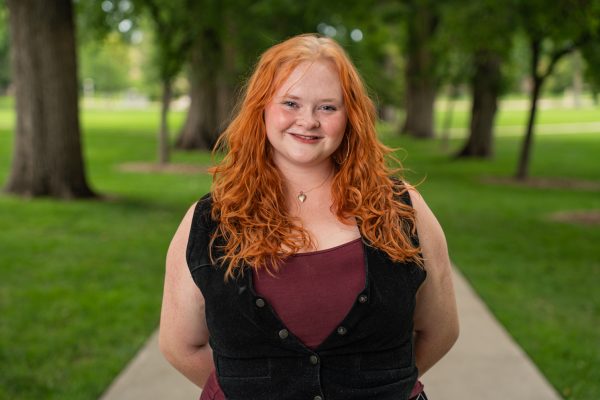
For many students, the policy shift feels personal. Zoe Dailey, a third-year CSU student recently accepted to veterinary school at Kansas State University, said finances already played a major factor in her academic decisions.
“One of the biggest reasons I graduated in three years was because of tuition,” Dailey said. “If I could save myself and my family any amount of money, I’m definitely going to take that opportunity.”
Dailey plans to use Grad PLUS loans for veterinary school and worries the changes could discourage future applicants.
“No one wants to be in financial distress,” Dailey said. “If they don’t have a way of getting that money, definitely students would be discouraged to apply.”
She said she believes the policy could alter who is able to pursue veterinary medicine.
“If students aren’t finding a way to pay for it, it could definitely change the demographic based on who’s able to afford and pay for it without the loans,” Dailey said.
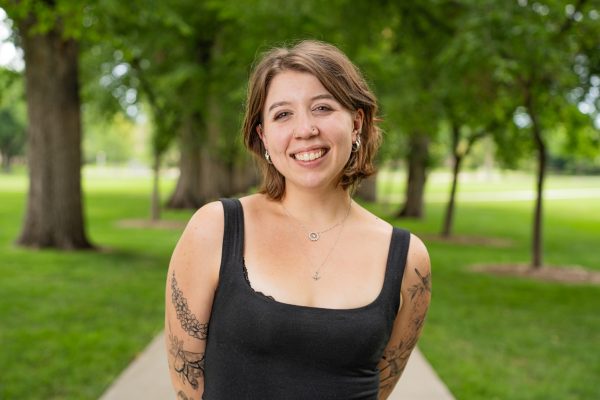
Gracie Guthmiller, a junior preveterinary student at CSU, echoed Dailey’s concern.
“My initial reaction? Crying,” Guthmiller said. “It feels like I’ll be in debt until I’m 50.”
Guthmiller is currently paying out-of-state tuition while working, and she said the financial stress significantly impacts her academic experience.
“I feel like I have to do good in school in order to get scholarships, and I know I need scholarships in order to pay for my dream,” Guthmiller said. “If I get below an 80% on a test, I feel like I’m letting down my parents and my grandparents and I can’t have a future, and it’s all because of a chemistry test.”
She said she worries the changes could deter passionate students who may struggle financially with tuition costs.
“It’ll deter away people who are smart people who have a passion,” Guthmiller said. “To (policymakers), it’s a way to save money. To us, it’s our life.”
Veterinary students already graduate with significant debt burdens. Workforce shortages, particularly in rural and large-animal practices, are ongoing concerns nationwide.
VandeWoude noted that CSU works closely with the College of Agricultural Sciences, the state of Colorado, federal partners and donors to support rural workforce initiatives, including loan-forgiveness programs and grants for veterinarians serving in shortage areas.
Some states, including Kansas, offer programs in which students commit to rural service in exchange for tuition assistance — an option Dailey said she is considering.
Some students also expressed frustration over what they perceive as a broader devaluation of veterinary and other scientific professions.
“Labels like ‘essential’ or ‘nonessential’ do not reflect the actual value of the work,” Guthmiller said. “Veterinary professionals are critical for public health, food safety, animal welfare and community well-being.”
Guthmiller said veterinary education mirrors medical school in intensity and duration: four years of professional school, often followed by internships or residencies.
Despite financial uncertainty, students remain committed.
“It means everything,” Guthmiller said of becoming a veterinarian. “I have always wanted to do this. … This is everything my life has led up to, and it’s all I want to do.”
Dailey added that what gives her hope is her generation’s advocacy and resilience.
“People our age are really good advocates,” Dailey said. “I’m excited to see what people my age do when we’re older.”
For CSU, the coming years will likely require increased scholarship fundraising, creative financial counseling and continued advocacy at the federal level. While enrollment may steady, access to graduate and professional education — particularly in scientific disciplines — may depend increasingly on financial background.
As Guthmiller put it: “Consider the outcome of what you’re doing. Think of the people who care and are passionate.”
Reach Maci Lesh at science@collegian.com or on social media @RMCollegian.