
Editor’s Note: All opinion section content reflects the views of the individual author only and does not represent a stance taken by The Collegian or its editorial board.
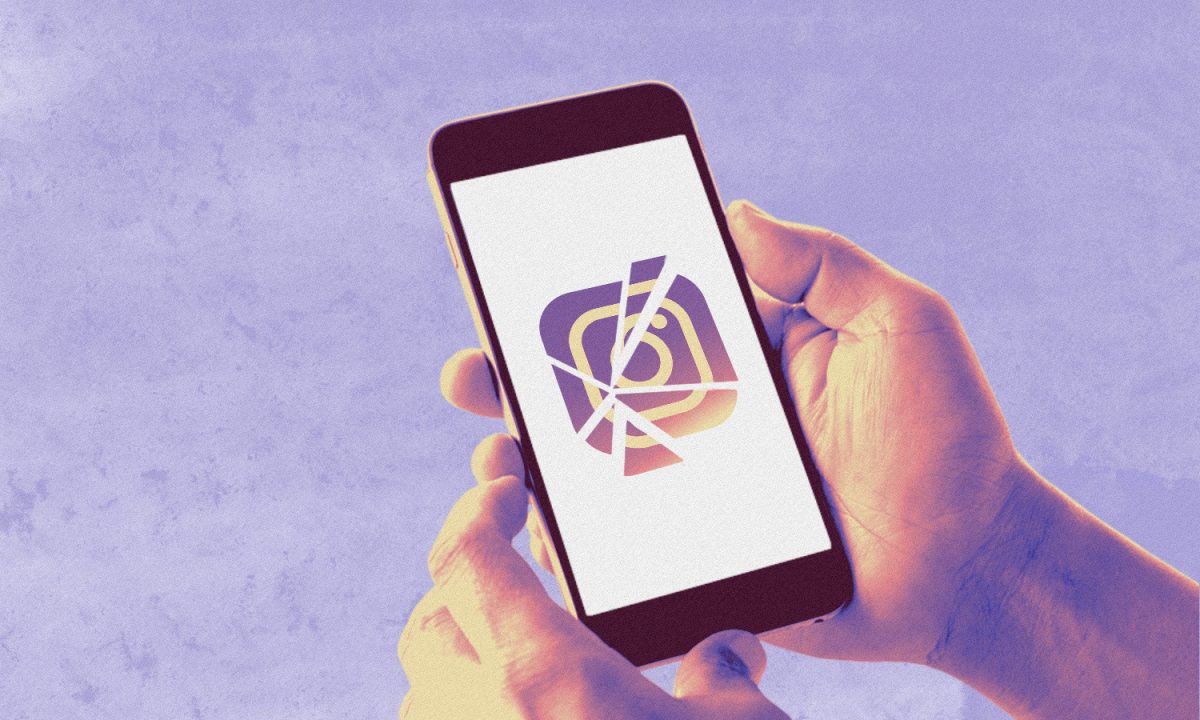
I don’t know how else to begin this column other than by stating this: You are addicted to your phone. Scratch that — we are addicted.
According to a 2022 study, doomscrolling is positively correlated with social media addictions. First defined as the tendency to incessantly scroll through negative news, doomscrolling is now a catch-all term for problematic social media usage. This link to addiction is underpinned by variable-ratio scheduling reinforcement: When the reward or response frequency you seek is uncertain, you become stressed and therefore inclined to continue a behavior until reinforcement arrives.
It’s a deceptively powerful influence, and it’s the same principle slot machines use. You don’t know when you’ll hit the jackpot, so you keep playing. Doomscrolling operates similarly. In practice, it may be more appropriate to call this behavior dopamine scrolling; continually scrolling keeps our nervous system constantly waiting for comfort, novelty or validation from chemical-seeking spikes, which are strongest right before a reward arrives.
Herein lies the problem: What is the reward? Where is the end? The endlessly strong grip this phenomenon has on our brain seems to stem from the lack of an interruption in the cycle. Closure is always tantalizingly close yet an eternity away, which keeps your nervous system guessing, and thus, you keep scrolling.
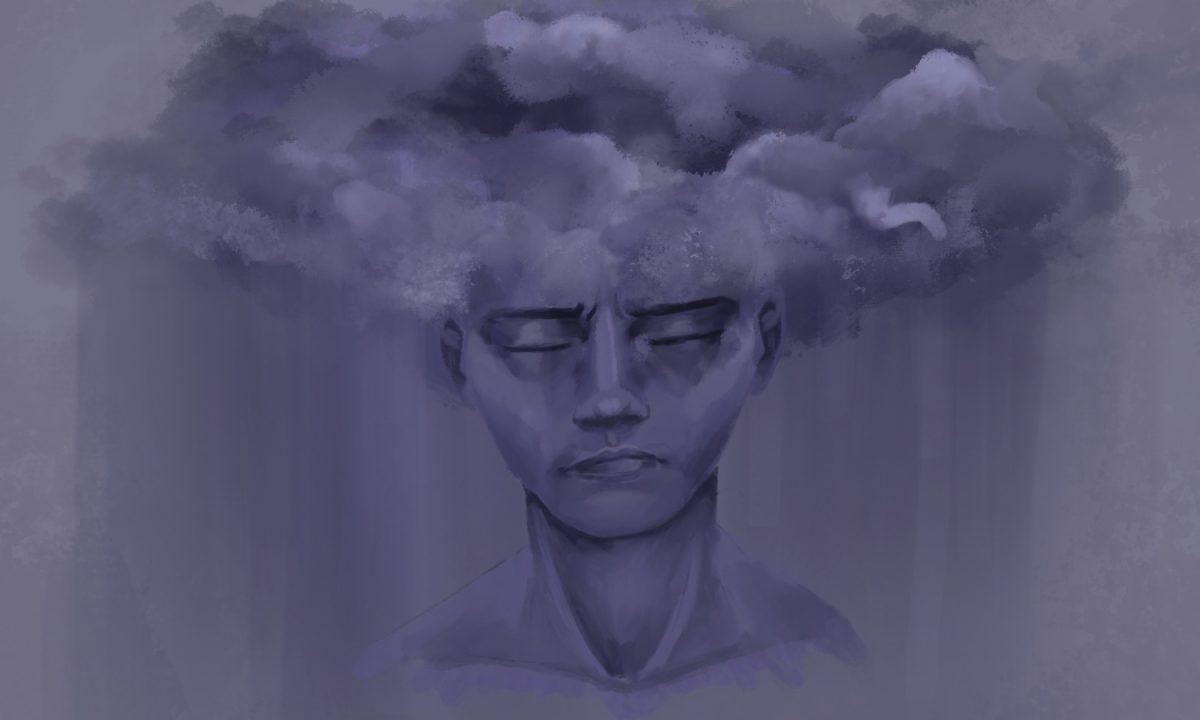
This prolonged scrolling additionally forces a longer exposure to problematic messages on social media. Instagram and TikTok continue to demonstrate a critical impact on our mental health. Inflicting depression, anxiety, loneliness, negative social comparison, disordered eating — pick any card, and these social media platforms probably have a hand in it. The more you scroll, the longer you drown in the potential consequences of this deluding internet world.
“Doomscrolling” has become integrated into our everyday language, and for good reason — it’s more prevalent than ever. In the chaos of our world, we’ve grown inexplicably intolerant to distress and have found a savior in scrolling. We’re emotionally dampening ourselves, slipping into a numbing dissociation to put our nervous systems at a standstill — but notably not at rest.
Scrolling promised us control, but it never actually taught us how to grapple with our experiences. Control doesn’t exist. It’s not something that can be achieved.
I’m telling you right now: Quit. To quote one of my favorite lines from Charlie Mackesy’s “The Boy, the Mole, the Fox and the Horse,” “One of our greatest freedoms is how we react to things.”
Perhaps if we viewed deleting these apps as an act of reclamation, a step toward choosing, then more people would commit to eliminating them from their lives. Scrolling never gave you control; all it’s done is blinded you from choice. Are you really going to let these pieces of binary code impede your autonomy?
Life will only get louder and louder; choose to find solace in places untethered by the malignant impact of social media. When the impounding stress looms overwhelmingly tall, will you choose to reach for the phone, or will you choose a genuine moment of living in the present?
Reach Carmel Pan at letters@collegian.com or on social media @RMCollegian.