
Editor’s Note: All opinion section content reflects the views of the individual author only and does not represent a stance taken by The Collegian or its editorial board.
Happy New Year, everyone. I hope 2026 is treating you well. Per tradition, I’m sure many have made New Year’s resolutions in hopes of making some changes for the better. While losing weight and dieting are among the most common resolutions, they are not as innocent as they sound.
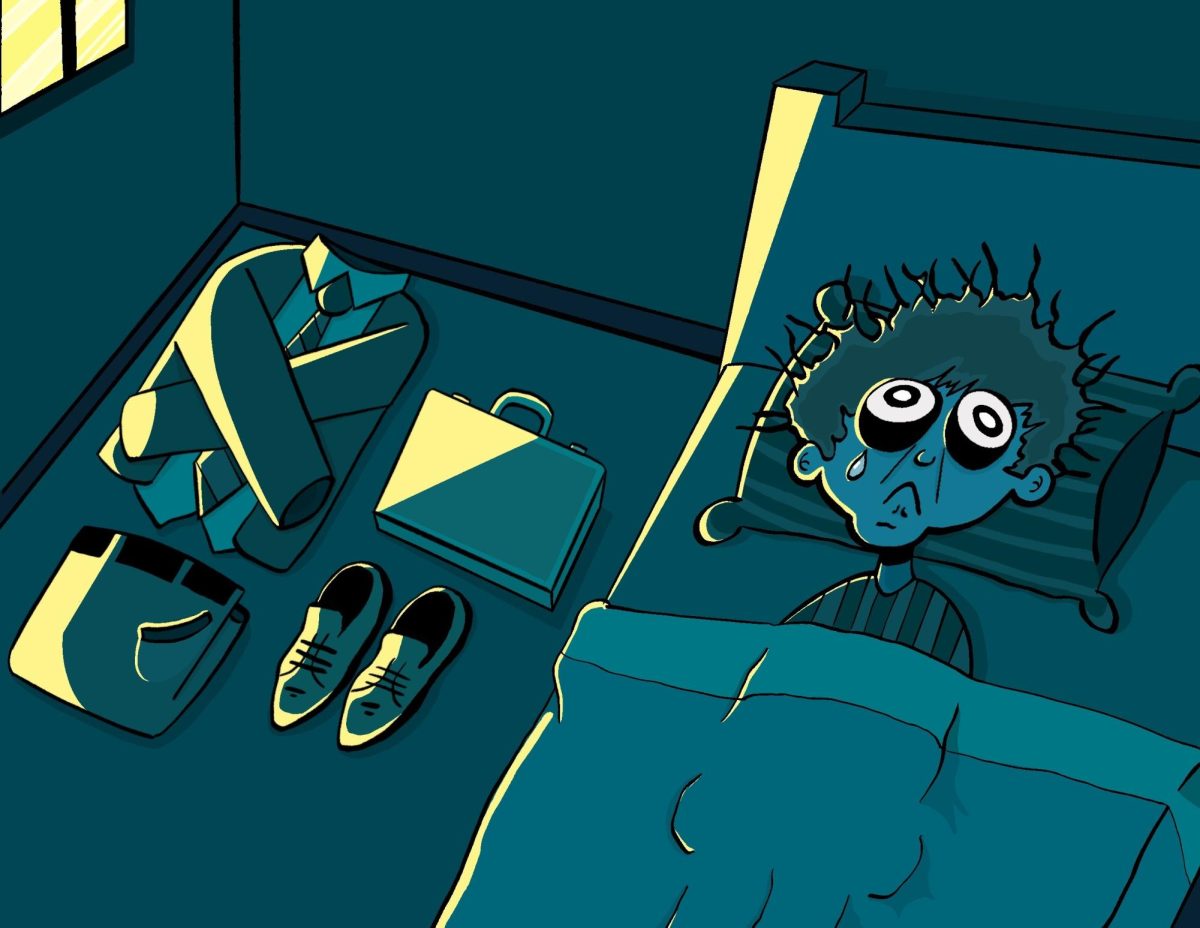
Diets have so many negative side effects. For one, the term “hangry” is often used to describe the emotions you feel when, for example, you forget to eat lunch and become short-tempered; it is a sensation that I cannot imagine anyone enjoying. I do not like being mean to people, and I do not like being hungry.
What do you think happens when you enter a calorie deficit — one that you try to maintain for a while? You get cranky. You get mean. While partaking in a shocking diet of only ice cream for 10 days to lose weight, reporter Shane Snow watched his friend eat and said, “He ate soup out of a giant bowl while talking about pizza and jalapeño poppers. I thought about murder.” You should not be thinking about murder because your friend ate food. That is insane.
Diets negatively affect your happiness as well, especially during the holidays. Restricting the food that you eat is hard, but restricting good food that everyone else eats from an annual holiday is even harder. It makes you sad and, frankly, a little isolated. No carbs means saying goodbye to rolls, potatoes and desserts. Those are the best parts of holiday meals.
“It is not some sort of moral failing when a diet doesn’t work; it is simply your body working to survive when you give it less fuel than it needs.”
Of course, the biggest reason your diet will make you miserable is because they do not work long term. Say you decide to cut out all sugar for two weeks. You lose five pounds — then what? You start eating sugar again because not eating any sugar is unsustainable and bad for you, and the five pounds come back. Sometimes, you may get a little extra back.
Diets cannot work in the long run because, as Psychology Today‘s Karen Manias said, “an individual, who is hungrier than before embarking on a restrictive diet, must consume even fewer calories to continue losing or even to maintain weight.” You have to keep eating less and less to maintain your goal weight, which is both inconvenient and dangerous.
Most people do not know this, however, so when they inevitably gain the weight back, they think it’s some sort of personal failure. It’s really not. Dieting is very difficult; only around a third of people can keep the weight off four to five years down the line, with the actual number likely being far smaller, according to University of California, Los Angeles, psychology professor Traci Mann. It is not some sort of moral failing when a diet doesn’t work; it is simply your body working to survive when you give it less fuel than it needs.
There are far better resolutions out there than trying to lose a few pounds. Try a new craft. Find a new hobby. Learn a new recipe. Spend more time with the people you love. I am going to try to enjoy nature more. There are so many interesting things about you — your weight is not one of them.
Reach Audrey Weishaar at letters@collegian.com or on social media @RMCollegian.