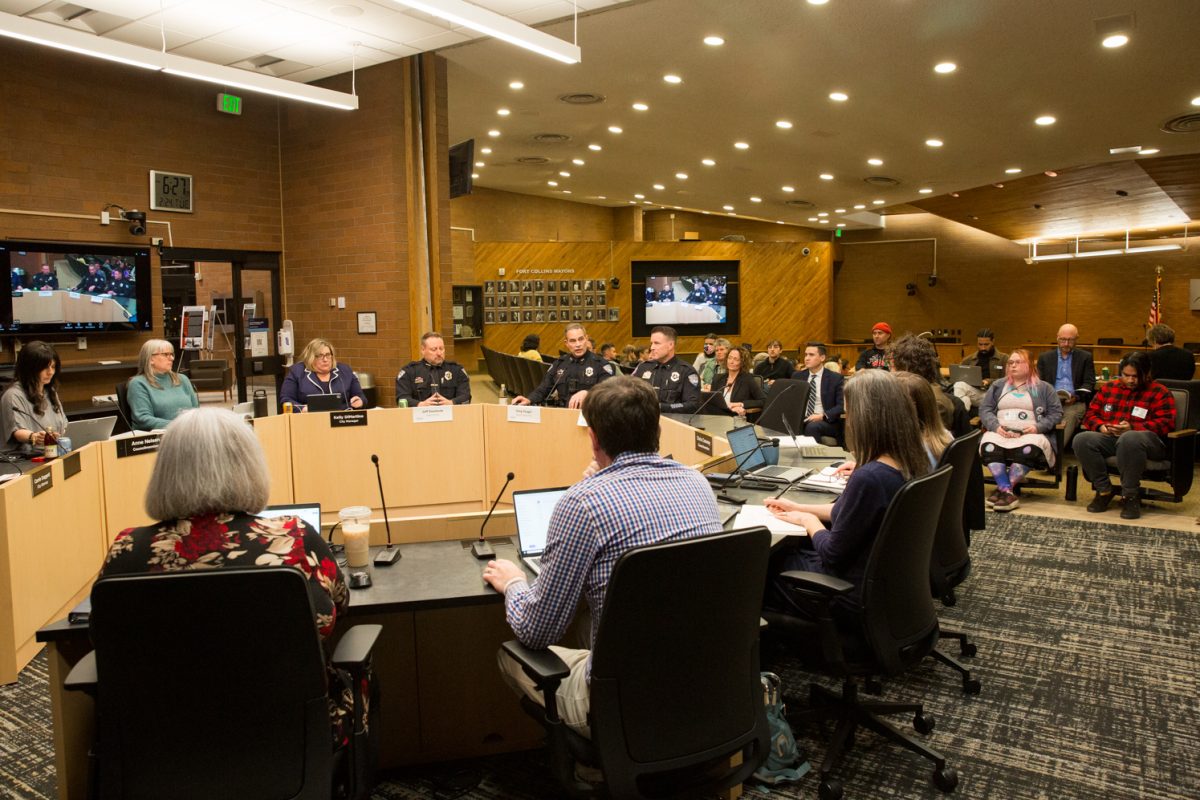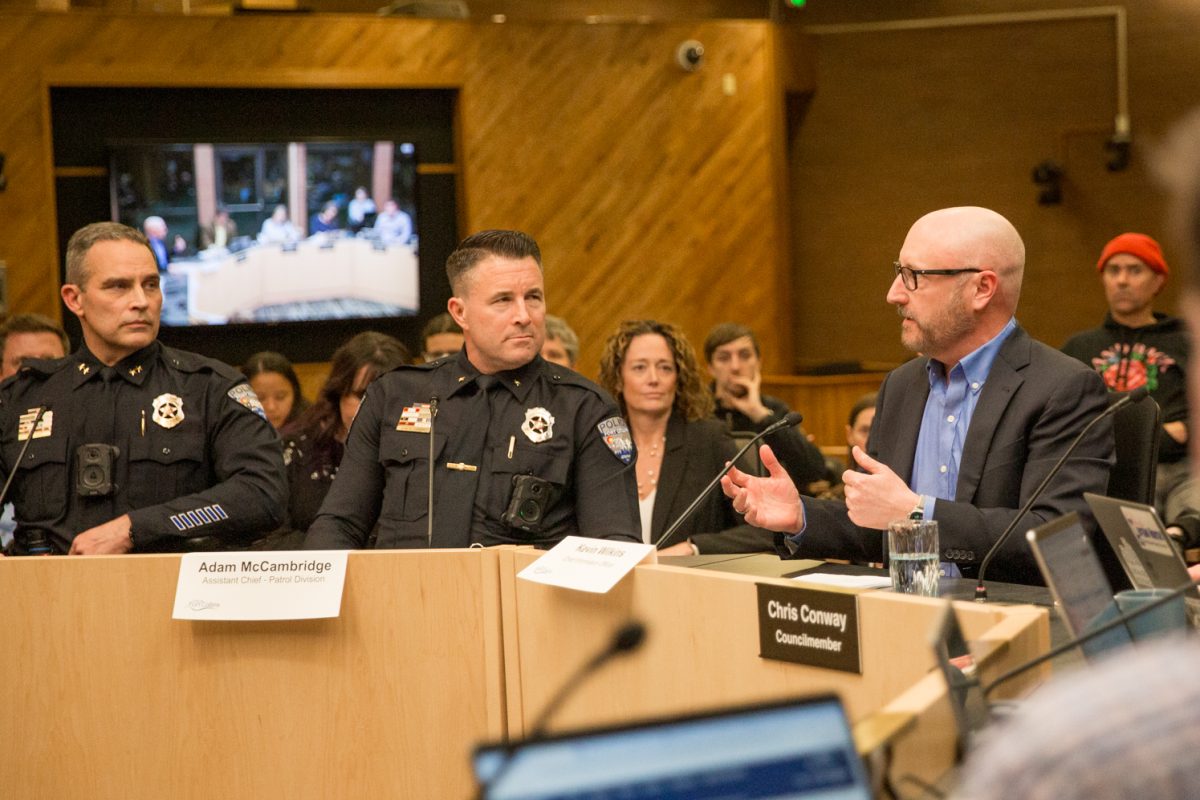


March kept Fort Collins City Council busy across multiple work sessions, with only one regular meeting held at the month’s beginning. Discussions centered on three major threads running through the city’s near-term future: How many homes Fort Collins actually needs, what its bus system will look like come August and whether downtown parking is finally headed toward a paid model.
Housing needs laid out in hard numbers
The Larimer County Regional Housing Needs Assessment presentation gave the council its clearest picture yet of the affordability gap facing the city. The assessment, a collaboration between the City of Fort Collins, Larimer County and the City of Loveland, found that roughly 6,300 units are needed to close the rental affordability gap for households earning 50% of the Area Median Income or below.
Looking further out, Fort Collins will need to build over 7,000 total units over the next decade to keep pace with demand. Currently, 58% of renters in the city are cost-burdened, meaning they spend more than 30% of their gross income on housing.
District 5 Councilmember Amy Hoeven said the numbers were clarifying rather than alarming.
“I was actually thinking it was going to be higher,” Hoeven said. “It doesn’t seem insurmountable, but it’s still a lot.”
The assessment also found that home prices in Larimer County run 10-15% above statewide averages and that the city lost a share of homes priced between $200,000 and $400,000 between 2020 and 2025 while homes priced above $500,000 increased.
To move the needle, the council discussed deploying the Affordable Housing Capital Fund, backed by the Community Capital Improvement Project and the Quarter Cent Capital Tax voters approved last November. The fund currently has over $13 million available between the two sources. Staff proposed prioritizing direct project subsidies in the near term, with potential investments into a land bank or regional revolving loan fund assessed later in 2027 and 2028.
On March 3, the council formally adopted its 2026-27 priorities and the 2026-30 Strategic Plan. That same meeting established an ad hoc committee on affordable and sustainable growth, which held its first meeting this week. The committee will examine fee structures, potential code changes and ways to make development more predictable and cost-effective for builders, with the goal of making it easier and more attractive for developers to bring affordable projects forward.
At the state level, Hoeven noted progress as well. Rep. Andrew Boesenecker successfully passed the HOME Act and a lot-splitting bill through the legislature this week, moves Hoeven said align with the city’s housing goals.
“I think we’re tackling affordable housing from every level,” Hoeven said.
Transit optimization plan heads toward August rollout
Council received a detailed update on the Transfort Optimization Plan, a redesigned bus network shaped by more than a year of public engagement and financial constraints. The plan is mostly set to take effect in August 2026, timed to coincide with the start of the new academic year at CSU and Poudre School District.
The core challenge driving the changes is Transfort’s expenses, which have grown roughly 50% since 2019, while the city has lost external funding sources, including a $750,000 FLEX partnership and a $200,000 FASTER grant. The redesign aims to keep the system fare-free while improving frequency and reliability at high-demand corridors.
Colorado State University students’ interests were directly factored into the plan’s revisions. The CSU Alternative Transportation Fee Advisory Board and the Associated Students of CSU gave feedback to Transfort staff, influencing changes to Routes 7 and 2. Route 7 will still stop at the CSU Transit Center, though service will be less frequent outside peak times, shifting to hourly intervals. Meanwhile, Route 2’s campus alignment has been rerouted to use Lake Street in place of Prospect.
Community feedback also preserved Route 9, which connects key destinations and had been slated for elimination in earlier versions of the plan.
Hoeven acknowledged the tradeoffs involved.
“It’s a bummer because we’ve had to make some changes that impact a few people significantly,” Hoeven said, pointing to slower frequencies on some core routes. “But they’ve done a really good job creating a system that works for now. Hopefully funding can be restored.”
Downtown parking slowly moves closer to paid model
The downtown parking discussion continued, with City Council reviewing an implementation roadmap rather than making a final decision. Staff presented updated financial numbers showing the parking system cannot sustain itself under the current model without relying on general fund contributions.
Near-term changes already in motion include expanded enforcement to six days a week, increases to permit fees and violation fines, and the installation of automated license plate readers in the city’s three parking garages by early 2027.
A full paid on-street parking system — targeting roughly 800 spaces in the core downtown area at $2 per hour — is now being eyed for a soft launch in summer or fall 2027 at the earliest, with full enforcement beginning shortly after. A January 2028 soft start is also under consideration to avoid the holiday shopping season.
Hoeven said students have actually been among the more supportive voices in the conversation.
“Students who don’t have vehicles have expressed that paid parking will be helpful to address traffic congestion and generate needed revenue,” Hoeven said, adding that many students who have reached out support directing those revenues toward transit, bike infrastructure and pedestrian improvements. “Let’s put the dollars towards the way we travel.”
City Council will receive updated financial and capacity reports in June before any formal decision is made.
Hoeven said she is planning a listening session on the CSU campus within the next two weeks. Students interested in weighing in on housing, transit or parking can also attend public comment at City Council meetings or reach out to Hoeven’s office directly.
Reach Maci Lesh at news@collegian.com or on social media @RMCollegian.