

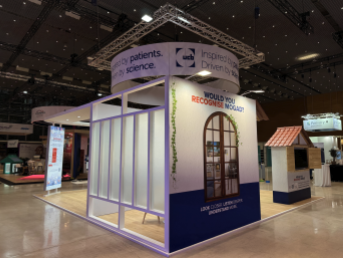
Participation in an exhibition is not just a few days of active teamwork and attracting visitors’ attention. Behind the shine of the screens, bright show stands, thoughtful exhibition stand design, and professional work of exhibition stand contractors, another stage is hidden – the “life” of your event stand after the doors of the pavilion close. Most companies focus on preparing and holding the event, but real effectiveness is determined by what happens after it. This stage often affects the brand’s budget, environmental footprint, future performance, and strategic opportunities.
Participation in an exhibition is not just a few days of active teamwork and attracting visitors’ attention. Behind the shine of the screens, bright show stands, thoughtful exhibition stand design, and professional work of exhibition stand contractors, another stage is hidden – the “life” of your event stand after the doors of the pavilion close. Most companies focus on preparing and holding the event, but real effectiveness is determined by what happens after it. This stage often affects the brand’s budget, environmental footprint, future performance, and strategic opportunities.
The Hidden Life Cycle of an Exhibition Stand
When the exhibition ends, the dismantling process begins, during which exhibition builders perform quick, precise work to meet the deadlines for the rented space. In the first hours after the show closes, your exhibition stand is usually disassembled into individual modules, panels, graphic elements, and technical components. Some of the materials are returned to the contractor’s warehouse, some are discarded, and some can be saved for future events, depending on what the terms of the contract with your exhibition company are.
It is important at this stage to understand where the graphics and structures end up. Many contractors offer storage, but others dispose of the items immediately or recycle them. For detailed information and responsible practices, see expostandbuilders.com, which highlights reuse options and more sustainable solutions.
After dismantling, the materials are most often divided into the following categories:
· Items to be stored – structures, furniture, platforms, and technical modules.
· Materials to be recycled – disposable graphic panels, damaged parts, and items that cannot be transported.
· Items to be recycled – aluminum profiles, PVC panels, textiles, and wood.
Thus, the “hidden life” of a stand can be both effective and costly — it all depends on how your exhibition stand is built.
The Cost of “Build and Bin” Exhibition Strategies
The “build and bin” strategy, which is still common among some brands, is costly. It involves creating a new exhibition stand for each event with no plans for reuse. This approach leads to significant financial losses: the cost of materials, printing, and exhibition stand contractors increases with each cycle.
In addition to the financial aspect, it is important to consider the environmental impact. Constant transportation, a large number of disposable materials, and waste create a significant footprint, especially if your exhibition builder uses bulky or heavy structures. Throwing away quality elements also means losing the opportunity to maintain a consistent visual identity from show to show.
The “build and bin” strategy deprives the brand of the opportunity to:
· reuse materials and graphics;
· reduce costs for subsequent events;
· creating a recognizable design that works for the long-term image.
Smart Reuse: Turning Your Booth into a Long-Term Asset
Smart branding assumes that your exhibition stand becomes an asset, not a one-time expense item. Exhibition architecture can be designed so that individual parts can adapt to new formats, another area, another region, or another trade show exhibit company.
To ensure effective reuse, brands should adhere to the following principles:
· Think ahead – during exhibition stand design, anticipate different configurations for the structure.
· Standardize graphics – use interchangeable textile or magnetic panels that are easy to replace.
· Synchronize physical and digital content – photos, videos, and 3D elements of the stand can act as materials for advertising campaigns, presentations, or digital performances.
Many exhibition solutions already allow brands to scale a single stand across multiple events and markets – saving resources and ensuring recognition.
Sustainable Alternatives to One-Off Booths
The modern approach to exhibition projects is grounded in sustainability principles. Exhibition stand builders offer modular solutions that allow you to create a unique look while reusing the main structural elements. This makes the exhibition stand building process more environmentally friendly and financially efficient.
Among the sustainable solutions
· Modular systems – easily adapt to different areas and formats while maintaining brand recognition.
· Rental of structures – especially beneficial for companies with irregular participation in exhibitions.
· Recyclable materials – facilitate transportation and minimize waste.
Such approaches enable brands to interact effectively with exhibition companies, trade show booth builders, and other exhibition industry professionals, reducing costs and demonstrating environmental responsibility.