

Spring break, summer adventures, weekend getaways to visit friends at other schools. College students spend significant time on the road, often in older vehicles packed with friends and minimal preparation. While most trips complete without incident, knowing how to handle unexpected situations and being properly equipped makes the difference between a minor inconvenience and a serious problem. This guide focuses on practical preparedness that fits student budgets and lifestyles. 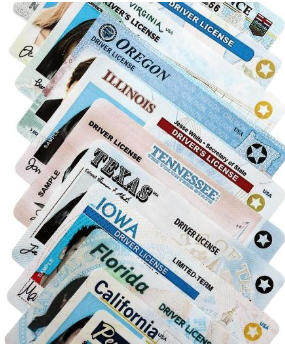
Why Students Face Unique Road Trip Challenges
College students typically drive older, high-mileage vehicles that break down more frequently than newer cars. Limited budgets constrain what you can carry and how much you can spend on preparation. Long drives through rural areas between college towns create exposure to situations where help is not immediately available. Cell coverage gaps still exist, especially between major highways. Winter weather in Iowa and surrounding states creates hazardous conditions.
The good news is that reasonable preparation does not require significant money or space. Focus on versatile items that address multiple situations rather than trying to prepare for every conceivable scenario.
Essential Vehicle Maintenance Knowledge
Prevention beats emergency response. Routine vehicle maintenance prevents many roadside situations.
Check tire pressure monthly including the spare. Underinflated tires reduce fuel economy, wear unevenly, and increase blowout risk. Proper inflation costs nothing but significantly affects safety and economy.
Monitor fluid levels between oil changes. Coolant, brake fluid, and windshield washer fluid are easy to check and maintain. Low coolants can cause overheating. Low brake fluid indicates worn pads or system leaks.
Pay attention to warning lights and unusual sounds. Dashboard lights indicate specific problems that require attention. Strange noises often warn of developing issues before they become failures. Addressing problems early usually costs less than dealing with complete failures.
Building a Practical Emergency Kit
Vehicle emergency kits should address common problems without becoming overwhelming collections of rarely used items. Focus on what you can use and maintain in your vehicle long-term.
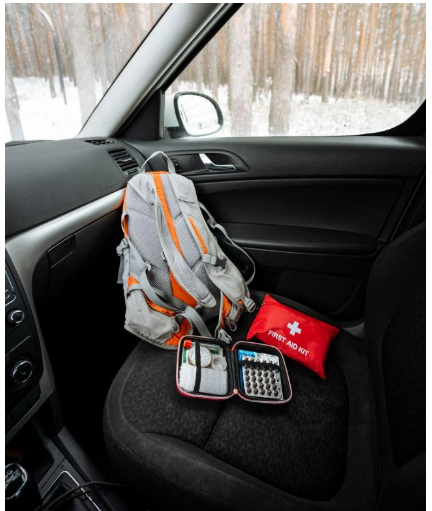
Start with basics that help in multiple situations. A flashlight provides light for inspections, repairs, or walking. Jumper cables let you help others or receive help with dead batteries. Basic tools including screwdrivers, pliers, and an adjustable wrench handle many roadside repairs. Duct tape and zip ties make temporary fixes that get you professional help.
Include items for extended waits. Blankets or sleeping bags provide warmth if you are stuck overnight. Water and non-perishable snacks maintain energy and hydration. A phone charger or power bank keeps communication available.
Basic safety equipment appropriate for your typical travel areas belongs in every vehicle. Items like first aid supplies, reflective triangles, and weather-appropriate clothing match the regions and seasons where you normally drive.
Handling Common Road Trip Problems
Dead batteries rank among the most common vehicle issues. Knowing how to jump start safely prevents damage to electrical systems. Connect cables in proper sequence: positive to dead battery, positive to good battery, negative to good battery, negative to metal ground on dead vehicles away from battery. Start the working vehicle and let it run before attempting to start the dead one.
Flat tires require knowing your spare tire location, jack location and operation, and lug wrench location. Many students discover they cannot change tires because they never learned where these items are stored or how they work. Check your spare pressure regularly since slowly leaking spares are useless when needed. Practice changing a tire in your driveway before needing this skill on a dark roadside.
Overheating happens frequently in older vehicles, especially during summer. If your temperature gauge rises into the danger zone, turn off air conditioning and turn on the heater to help dissipate engine heat. Pull over safely as soon as possible. Never open the radiator cap on a hot engine.
Winter Weather Preparedness
Iowa winters create hazardous driving conditions requiring additional preparation beyond normal road trip planning.
Extra warm clothing belongs in vehicles throughout winter. Waterproof outer layers, insulated boots, gloves, and hats protect if you must walk for help or work outside your vehicle. Even if your vehicle runs, heaters can fail.
Ice scrapers and snow brushes remove accumulation from windows and lights. Driving with partially cleared windshields creates dangerous visibility limitations. De-icing washer fluid prevents freezing and maintains visibility when road spray coats your windshield.
Traction aids help in snow and ice. Sand, kitty litter, or traction mats provide grip when stuck. Small collapsible shovels clear snow from around tires. These items take up minimal space but significantly improve your ability to extract stuck vehicles.
Communication Planning
Cell phones provide primary communication but assuming they always work creates vulnerability. Build redundancy into your communication planning.
Before trips, share your route and schedule with someone who will notice if you do not arrive. Include alternate routes you might take and regular check-in times. This creates a safety net if you cannot call for help yourself.
Keep emergency contact information accessible outside your phone. Paper lists ensure you can access important numbers even with a dead phone. Include insurance information, emergency contacts, and roadside assistance numbers.
Consider backup power for phones. Car chargers work while the vehicle runs. Portable power banks provide charging when the vehicle does not run.

Group Travel Dynamics
Multiple people traveling together create both advantages and challenges. Establish clear communication about driving shifts, rest stops, and route decisions before departing. Rotating drivers prevent fatigue. Regular stops maintain alertness and comfort.
Respect driver decision-making about safety. Passengers suggesting faster speeds or questionable route choices pressure drivers into unsafe choices. The driver must feel empowered to make conservative decisions without group pressure.
Share responsibility for vehicle monitoring. Passengers can watch for hazards, monitor navigation, and notice vehicle problems the driver might miss while concentrating on traffic.
Building Preparedness Habits
Start implementing these practices on short local trips before depending on them during long journeys. Review and update your emergency kit seasonally. Items deteriorate; batteries die and need change with seasons.
Learn from each trip. What worked well? What could improve? This reflection builds better planning for future travel and helps you refine what you carry and how you prepare.