

Have you ever looked at a software project quote and felt like you were trying to decipher ancient hieroglyphs? You are not alone. In 2026, the landscape of software development outsourcing has shifted under the weight of AI integration and a fiercely competitive global talent market. If you are sitting there wondering why a developer in one city costs five times more than one across the ocean, it is time to peel back the curtain. Let’s talk about real numbers and real value.
The Strategic Shift in Software Development Outsourcing
Why do companies even bother with outsourcing software anymore? In 2026, it is no longer just about finding a cheap labor force. It is about a digital transformation that moves faster than your local hiring market can keep up with. By delegating software development tasks, businesses gain the agility to pivot when the market changes. You avoid the heavy lift of recruiting, training, and retaining an in house team, which can save up to 70% on staffing expenses in certain regions.
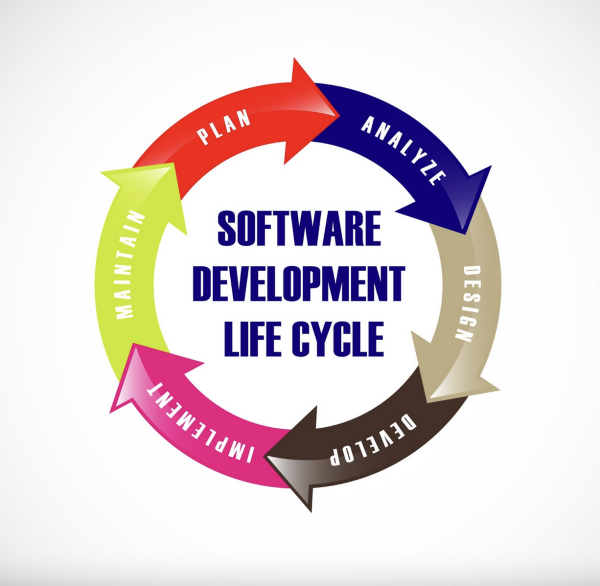
The software development lifecycle has become more complex. Modern software projects now require machine learning expertise and advanced cloud computing knowledge right out of the gate. To navigate this, many leaders turn to a seasoned software development company that has already weathered these shifts. For instance, Innowise stands out as a globally recognized full-cycle software development company with a team exceeding 1000 proficient IT experts. Their deep technical expertise allows them to deliver tailored solutions that go beyond simple coding. If you need a partner with a proven track record, exploring their outsourcing software development services is a smart first step.
Geography Still Defines Your Development Costs
Where your outsourcing partner sits on the map remains the biggest factor in what you pay. Even in 2026, the price gap is startling. A senior software development partner in the United States might command $150 to $250 per hour. Meanwhile, experienced developers in Eastern European countries or Asia offer a different story.
| Region | Hourly Rate Range (2026) | Primary Benefit |
| North America | $160 – $280 | Zero cultural and language barriers |
| Eastern Europe | $55 – $95 | Exceptional technical expertise |
| South Asia | $30 – $55 | Massive global talent pool |
| Latin America | $50 – $85 | Perfect time-zone alignment for US |
Finding the right software outsourcing partner means balancing these rates with your specific project requirements. If your project is a standard web app, a lower-cost region might be perfect. But if you are building a complex medical service provider platform, paying more for specialized domain expertise in Europe might save you from a million-dollar failure later.
Comparing Software Development Outsourcing Models
How you structure the deal matters as much as the hourly rate. The software development outsourcing models you choose will dictate your operational costs.
- Staff Augmentation: You add software engineers to your existing in house development team. You manage them directly. This is best for filling a specific gap in specialized skills.
- Dedicated Team: The outsourcing provider assembles a full dedicated team—developers, a project manager, and quality assurance specialists. They act as your remote office.
- Fixed Price: You pay a set amount for a specific project scope. This only works if your project requirements are written in stone.
A dedicated team is often the most cost efficiency choice for long-term growth. It provides the stability of an in house team without the overhead of infrastructure management.
Hidden Factors Impacting the Software Development Process
The “cheap” option often ends up being the most expensive. Why? Because of the invisible costs. If your outsourced team has significant language barriers, you will spend twice as much time on project management. Misunderstandings lead to rework, and rework destroys project timelines.
A reliable software outsourcing company invests in project management tools and clear communication protocols. You should be able to track progress in real-time. If you cannot see the code or the task board, you are flying blind. Effective communication is the foundation of project success. Without it, you are just throwing money into a black box.
The Role of AI in Reducing Development Costs
By 2026, every outsourcing company worth its salt is using AI to augment their software developers. AI tools automate repetitive software development tasks, like boilerplate code and documentation. This should, in theory, reduce costs for the client.
However, do not expect the hourly rate to drop. Instead, expect more software development work to be done in fewer hours. A modern software development company uses AI to enhance quality assurance and speed up the software development process. You are paying for the output and the latest technologies, not just the manual labor of software engineers.
Why Quality Assurance is a Non-Negotiable Expense
Cutting corners on quality assurance is like building a house on sand. You might save 15% on the initial development costs, but the technical debt will bankrupt you later. A professional service provider integrates QA into the entire software development lifecycle.
In 2026, security is the top priority. With escalating cyber threats, your outsourcing partner must follow strict compliance like GDPR or SOC 2. This requires technical support and rigorous testing. If a software development outsourcing company offers a price that seems too good to be true, they are probably skipping the security checks.
Focus on Core Business: The Real ROI of Outsourcing
The biggest “cost” of not outsourcing is your own time. When you are bogged down in managing an in house development team, you are not selling, you are not innovating, and you are not growing. Software development outsourcing services allow you to focus on core business strategy.
Imagine you are the CEO of a growing fintech startup. Should you be interviewing 50 software developers, or should you be closing your next funding round? By finding the right outsourcing partner, you offload the technical headache to third party providers who live and breathe code.
Managing Project Timelines and Scope Creep
Scope creep is the silent killer of software projects. It is when a “small change” turns into three weeks of extra software development. To avoid this, you need a strong project manager on both sides.
Clear project requirements are your best defense. A good software development partner will push back if they see the scope growing out of control. They understand that project success depends on staying focused on the MVP (Minimum Viable Product) before adding bells and whistles.
Evaluating Previous Projects and Reputation
How do you know you aren’t being lied to? You look at previous projects. Don’t just read the testimonials on their website; ask to speak with their former clients. A software outsourcing company with a proven track record will be happy to connect you with people they’ve helped.
Check their technical expertise by looking at the complexity of what they’ve built. Did they handle custom software solutions for a similar industry? Do they understand your core business? If they’ve only built simple apps and you want a complex machine learning platform, keep looking.
Cultural Alignment and Effective Communication
It’s not just about the code; it’s about the culture. A development team that shares your work ethic and values will always outperform one that doesn’t. Cultural and language barriers can be subtle. They manifest as “yes” when the developer really means “I don’t understand.”
Choose an outsourcing provider that prioritizes transparency. Regular video calls, shared project management tools, and a shared sense of urgency are what make offshore development work. You want an outsourcing partner who feels like they are in the same country as you, even if they are halfway across the world.
Technical Support and Post-Launch Maintenance
The software development doesn’t end on launch day. You need a development partner who provides ongoing technical support. Bugs will appear, and servers will need scaling.
When calculating your software development outsourcing budget for 2026, include a line item for maintenance. Typically, this is 15-20% of the initial development costs annually. A partner like Innowise offers long-term software outsourcing services, ensuring your product remains a leader in the market long after the first version is live.
Final Thoughts: Choosing the Right Outsourcing Partner
In 2026, software development outsourcing is a sophisticated game. You aren’t just buying code; you are buying a competitive advantage. While the operational costs vary wildly based on geography and outsourcing models, the most expensive mistake is choosing the wrong partner.
Look for technical expertise, a proven track record, and a commitment to the latest technologies. Whether you need a dedicated team or a specific custom software development fix, prioritize value over the lowest sticker price. By finding the right software outsourcing partner, you ensure your digital transformation is a success story, not a cautionary tale.